Post by : Saif Nasser
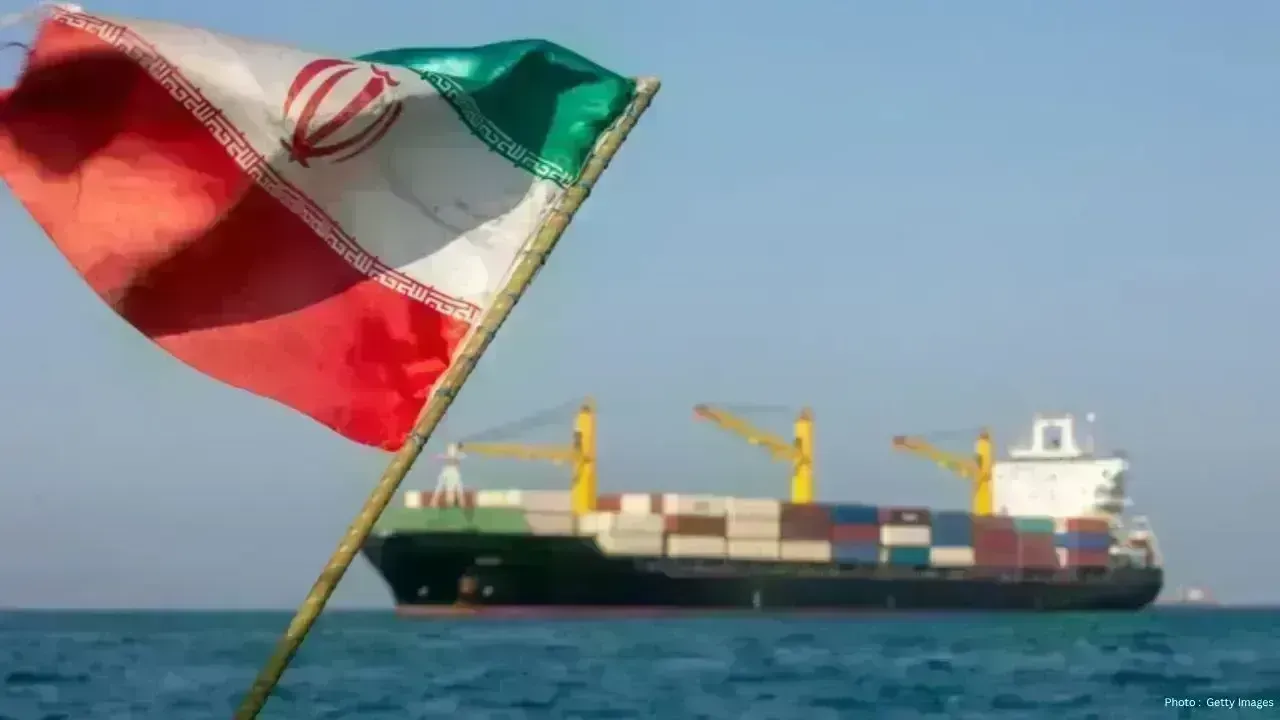
Iran is carefully considering the possibility of a political agreement aimed at reducing regional conflict, but deep distrust toward the United States continues to shape internal discussions and diplomatic decisions. The situation reflects decades of strained relations between both countries, marked by sanctions, political disputes, and military tensions across the Middle East.
Leaders and political groups inside Iran are divided over how to respond to any future understanding with Washington. Some officials believe diplomatic engagement could reduce pressure on the country’s economy and help lower regional instability. Others remain cautious and argue that previous agreements created disappointment and weakened trust.
The discussion comes during a difficult period for the Middle East, where several conflicts continue affecting regional stability. Political uncertainty, military operations, and economic challenges have increased international calls for dialogue and de-escalation.
Iranian authorities have repeatedly stressed that national security and sovereignty remain central to any future negotiations. Government officials often argue that foreign pressure and sanctions have damaged trust and made diplomatic progress more difficult over the years.
Relations between Iran and the United States have remained complicated for decades. Disputes over nuclear policies, economic sanctions, and regional influence have created repeated confrontations and interrupted diplomatic efforts. Earlier agreements between both sides also faced major setbacks, increasing skepticism among political leaders and the public.
Economic concerns are playing an important role in the current debate. International sanctions have affected trade, investment, and financial stability in Iran, creating pressure on businesses and ordinary citizens. Rising costs and economic uncertainty have increased public discussion about the country’s future direction.
At the same time, many Iranian political groups remain concerned about depending too heavily on Western promises. Critics argue that diplomatic agreements must include clear guarantees and long-term commitment from all sides involved.
International observers believe communication between countries remains necessary to avoid further regional instability. Several governments and global organizations continue encouraging diplomatic efforts aimed at preventing broader military confrontation in the Middle East.
The issue is also connected to wider developments across the region, including conflicts involving armed groups, neighboring countries, and international powers. Events in Gaza, Lebanon, Syria, and the Gulf continue influencing political calculations throughout the Middle East.
Security analysts say rebuilding trust between Iran and the United States will remain extremely difficult because of years of political hostility and failed negotiations. Even when discussions begin, both sides often question whether agreements will survive future political changes.
Public opinion inside Iran appears divided as well. Some citizens support negotiations if they improve economic conditions and reduce international isolation. Others believe previous experiences showed that diplomatic promises do not always lead to lasting results.
Experts warn that continued instability in the region could create serious humanitarian and economic consequences. Military escalation often affects civilians most heavily by damaging infrastructure, disrupting trade, and increasing insecurity in everyday life.
The possibility of a future agreement is therefore being discussed not only as a diplomatic issue but also as a matter connected to economic recovery and regional security. Any improvement in relations could influence trade, energy markets, and political cooperation across the Middle East.
Political observers believe successful negotiations would require patience, strong communication, and realistic expectations from all parties. Building confidence after decades of confrontation cannot happen quickly and would likely require gradual progress over time.
International diplomacy involving Iran has faced repeated challenges because of changing governments, regional conflicts, and shifting foreign policy priorities. These factors have often slowed negotiations and reduced confidence in long-term agreements.
Despite these obstacles, many global leaders continue supporting diplomatic efforts as the best way to prevent wider conflict. Military action alone is widely viewed as unlikely to create stable and lasting peace in the region.
The ongoing debate inside Iran reflects larger questions about security, economic survival, and international relations in the Middle East. Decisions made during the coming months may influence regional politics and diplomatic relations far beyond the immediate conflict areas.
Attention will now remain focused on whether negotiations continue and how both Tehran and Washington respond to future developments. The outcome could play an important role in shaping regional stability and international diplomacy in the years ahead.


Meta Unveils Subscription Plans for Instagram, Facebook, and WhatsApp
Meta introduces new subscription plans for users of Instagram, Facebook, and WhatsApp, featuring enh

Suvarna Joy on Education Leadership, Resilience, and Building Purpose Through Adversity in the UAE
Suvarna Joy shares her journey of education leadership, motherhood, faith, and resilience within the

Anticipated Dates for UAE Eid Al Adha 2026 Unveiled by Astronomical Experts
Experts predict Eid Al Adha 2026 in the UAE to start on May 27, prompting early holiday planning amo

DAE Achieves Remarkable Growth in Q1 2026 With Record Revenue
Dubai Aerospace Enterprise announces impressive financial results for Q1 2026, reflecting a surge in

Price Increase for Sony PS5 in Southeast Asia Effective May 1
Sony announces a price increase for the PS5 across Southeast Asia starting May 1, 2026, impacting ga

Potential ‘Super El Niño’ in 2026: Understanding the Climate Risks
Could a Super El Niño emerge in 2026? Discover its implications and potential global climate impacts




