Post by : Saif Nasser
The ongoing conflict involving Iran has created a major energy shock across the world, especially in parts of Asia and Africa. As fuel prices rise and supply becomes uncertain, many countries are now turning their attention to nuclear power as a long-term solution.
The war has affected key oil routes, including the Strait of Hormuz, which is one of the most important paths for oil transport. When there is tension in this region, oil supply gets disrupted, and prices increase quickly. This has made it difficult for many countries to manage their energy needs.
In Asia and Africa, the impact has been even stronger. Many countries in these regions depend heavily on imported fuel. When prices rise, it affects everything—from electricity bills to transport costs. Governments are under pressure to find stable and affordable energy sources.
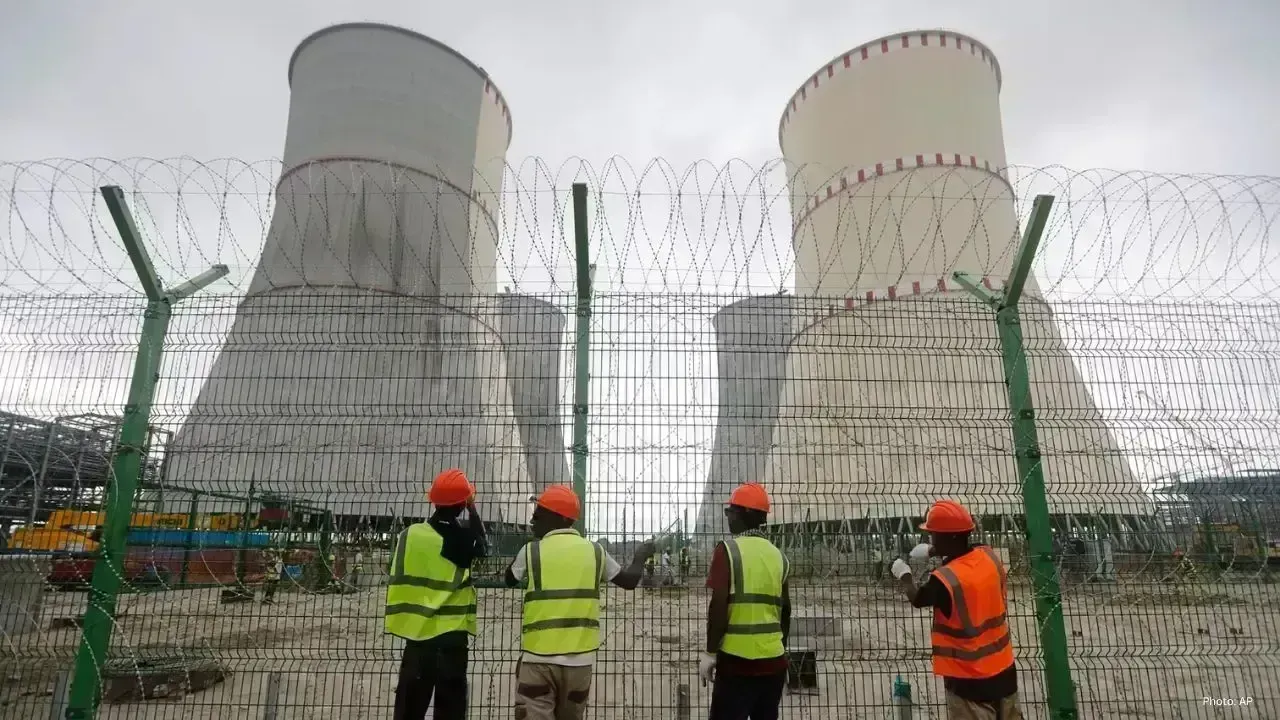
As a result, nuclear energy is gaining attention again. Nuclear power plants can produce large amounts of electricity without depending on imported fuel in the same way as oil and gas. This makes them attractive for countries looking for energy security.
Countries like India and China have already invested in nuclear energy and are planning to expand further. In Africa, nations such as Egypt are also moving ahead with nuclear projects to reduce dependence on fossil fuels.
The shift toward nuclear power is not only about energy supply but also about long-term planning. Governments are trying to protect their economies from sudden shocks caused by global conflicts. By investing in nuclear energy, they hope to create a more stable system that is less affected by international crises.
However, nuclear power is not without challenges. Building a nuclear plant is expensive and takes many years. There are also concerns about safety and waste management. Accidents in the past have made people cautious about nuclear energy.
Despite these concerns, the current energy crisis is forcing countries to think differently. Renewable energy sources like solar and wind are also being developed, but they may not always provide enough power on their own. Nuclear energy is being seen as a reliable option that can support these renewable sources.
The global situation shows how closely energy and geopolitics are connected. A conflict in one region can affect fuel prices and supply across the world. This makes it important for countries to have diverse energy sources.
For many nations in Asia and Africa, the current crisis is a turning point. It is pushing them to rethink their energy strategies and invest in long-term solutions. Nuclear power, despite its challenges, is becoming a key part of that plan.
The move toward nuclear energy also reflects a broader goal—energy independence. Countries want to reduce their reliance on imported fuel and protect themselves from future shocks. This could lead to major changes in how energy is produced and used in the coming decades.
The Iran-related energy shock has made one thing clear: relying too much on a single source of energy can be risky. As countries look for safer and more stable options, nuclear power is once again becoming an important part of the global energy conversation.








Achieve Radiant Skin with This Simple Rice Flour Treatment
Transform your skincare routine! Discover how a rice flour mix can restore your skin's glow without

Meta Unveils Subscription Plans for Instagram, Facebook, and WhatsApp
Meta introduces new subscription plans for users of Instagram, Facebook, and WhatsApp, featuring enh

Suvarna Joy on Education Leadership, Resilience, and Building Purpose Through Adversity in the UAE
Suvarna Joy shares her journey of education leadership, motherhood, faith, and resilience within the

Anticipated Dates for UAE Eid Al Adha 2026 Unveiled by Astronomical Experts
Experts predict Eid Al Adha 2026 in the UAE to start on May 27, prompting early holiday planning amo

DAE Achieves Remarkable Growth in Q1 2026 With Record Revenue
Dubai Aerospace Enterprise announces impressive financial results for Q1 2026, reflecting a surge in

Price Increase for Sony PS5 in Southeast Asia Effective May 1
Sony announces a price increase for the PS5 across Southeast Asia starting May 1, 2026, impacting ga




