Post by : Saif Nasser
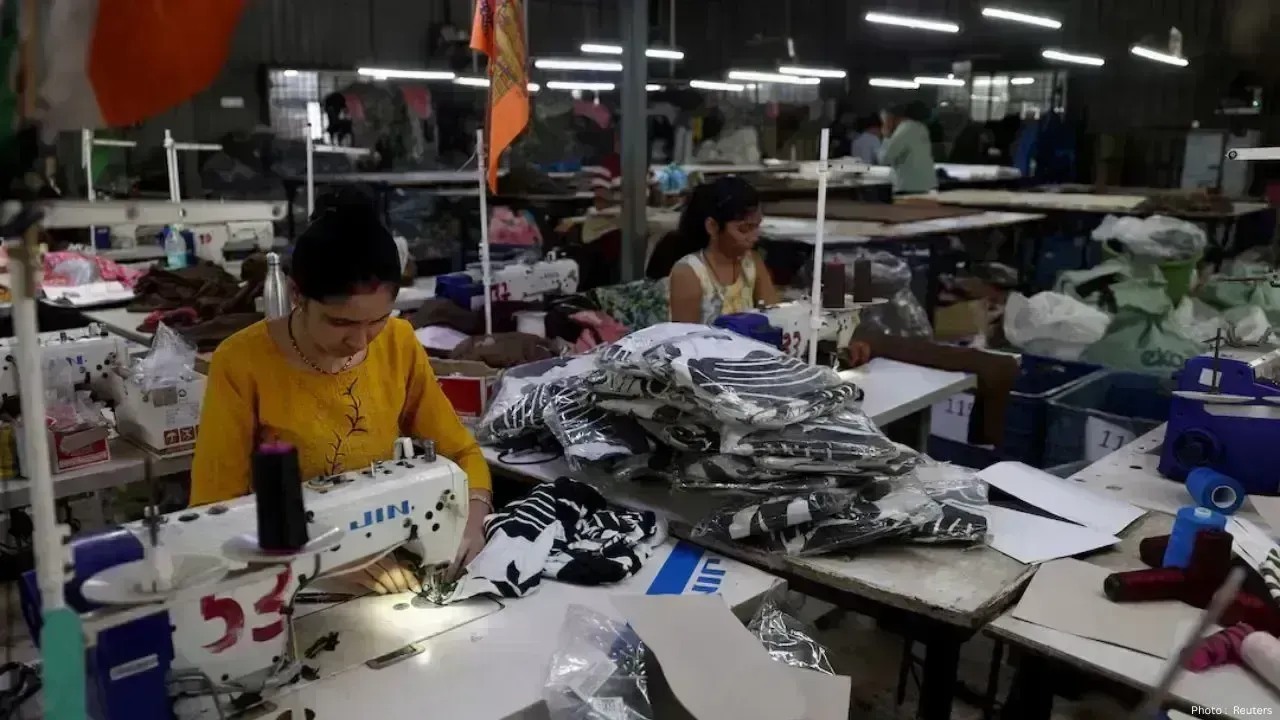
The ongoing tensions linked to Iran are now affecting not just politics and oil markets, but also the global fashion industry. A new wave of disruption is hitting Asia’s textile sector, especially polyester production, which plays a key role in fast fashion around the world.
Polyester is one of the most widely used materials in clothing. It is found in everyday items such as sportswear, dresses, and casual wear. However, polyester is made from petroleum-based products, which means its cost is closely linked to oil prices. As the conflict pushes fuel prices higher, the cost of producing polyester is also rising sharply.
Countries like India and Bangladesh, which are major hubs for textile production, are feeling the pressure. Factories in these regions depend heavily on imported raw materials and stable energy supplies. With the ongoing crisis, both have become more expensive and harder to manage.
Reports show that the cost of key materials used to make polyester, such as purified terephthalic acid (PTA) and monoethylene glycol (MEG), has increased by nearly 30 percent. This has forced many manufacturers to reduce production or struggle to meet global demand.
The impact is not limited to factories alone. Rising costs are spreading across the entire supply chain. Chemicals, dyes, and transport expenses have also become more expensive. In some areas, even basic resources like cooking gas have become scarce, leading to worker shortages in important textile hubs.
From an editorial point of view, this situation shows how deeply connected the global economy has become. A conflict in one region can affect industries thousands of miles away. The fashion industry, which depends on fast production and low costs, is especially sensitive to such disruptions.
Fast fashion brands rely heavily on quick supply chains and affordable materials. Companies like Zara and H&M depend on Asian manufacturers to produce large volumes of clothing at low cost. When production costs rise, these companies face a difficult choice—either absorb the losses or increase prices for consumers.
For now, some retailers are protected because they had already placed orders in advance. However, this protection may not last long. As new orders are placed, higher raw material costs are likely to push prices up. This means consumers around the world may soon see more expensive clothing.
The issue also affects other industries linked to petrochemicals. Many everyday products, from shoes to packaging materials, depend on oil-based components. As oil prices rise, the cost of producing these goods also increases, adding to inflation across markets.
Another concern is long-term stability. Polyester accounts for a large share of global textile production, making up around 59 percent of all fibres used worldwide. This heavy dependence means any disruption in oil supply can have a major impact on the entire fashion industry.
The situation also highlights the risks of relying on a limited number of supply routes. The Strait of Hormuz, a key route for oil shipments, plays a major role in this crisis. Any disruption there affects not only energy markets but also industries that depend on petroleum products.
For countries in Asia, the impact could be even more serious. Many of them rely heavily on Middle Eastern oil for their industries. When supply is disrupted, production slows down, costs rise, and economic growth may be affected.
This crisis raises important questions about the future of global supply chains. Businesses may need to rethink how they source materials and manage risks. Diversifying supply routes and investing in alternative materials could become more important in the coming years.
The current situation is a reminder that industries like fashion are not isolated. They are closely linked to global events, energy markets, and political stability. As long as tensions continue, the pressure on the textile sector is likely to remain.
The coming months will be crucial. If the conflict continues, the effects could spread further, leading to higher prices, reduced production, and slower growth in the global fashion market.







Global Energy Crisis Intensifies: Markets React to Oil Supply Challenges
Markets are on edge as oil disruptions escalate, influencing prices and economic stability. Explore

Must-See Tourist Spots in London You Can't Overlook
Explore London's essential attractions, from royal landmarks to vibrant markets, ensuring an unforge

Ultimate Guide to Snagging Cheap Flights in 2026
Unlock the secrets to booking affordable flights in 2026 with insightful tips and strategies tailore

The Impact of Consistent Small Investments on Wealth Building
Discover how investing small amounts regularly can positively transform your financial future over t

7.5 Magnitude Earthquake Strikes Japan, Tsunami Alerts Issued
Japan experiences a hefty 7.5 quake, prompting tsunami alerts and safety measures. Stay updated on a
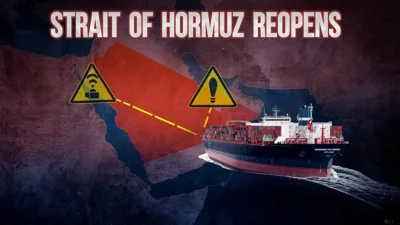
Reopening of the Strait of Hormuz: New Regulations to Impact Global Trade
Iran reopens the strategic Strait of Hormuz with new regulations affecting oil transport and global