Post by : Saif Nasser
Iran is facing one of the most serious waves of unrest it has seen in years, as protests continue across the country despite a nationwide internet shutdown and strong warnings from the country’s leadership. What began as demonstrations over economic hardship has now turned into open anger against Iran’s ruling system.
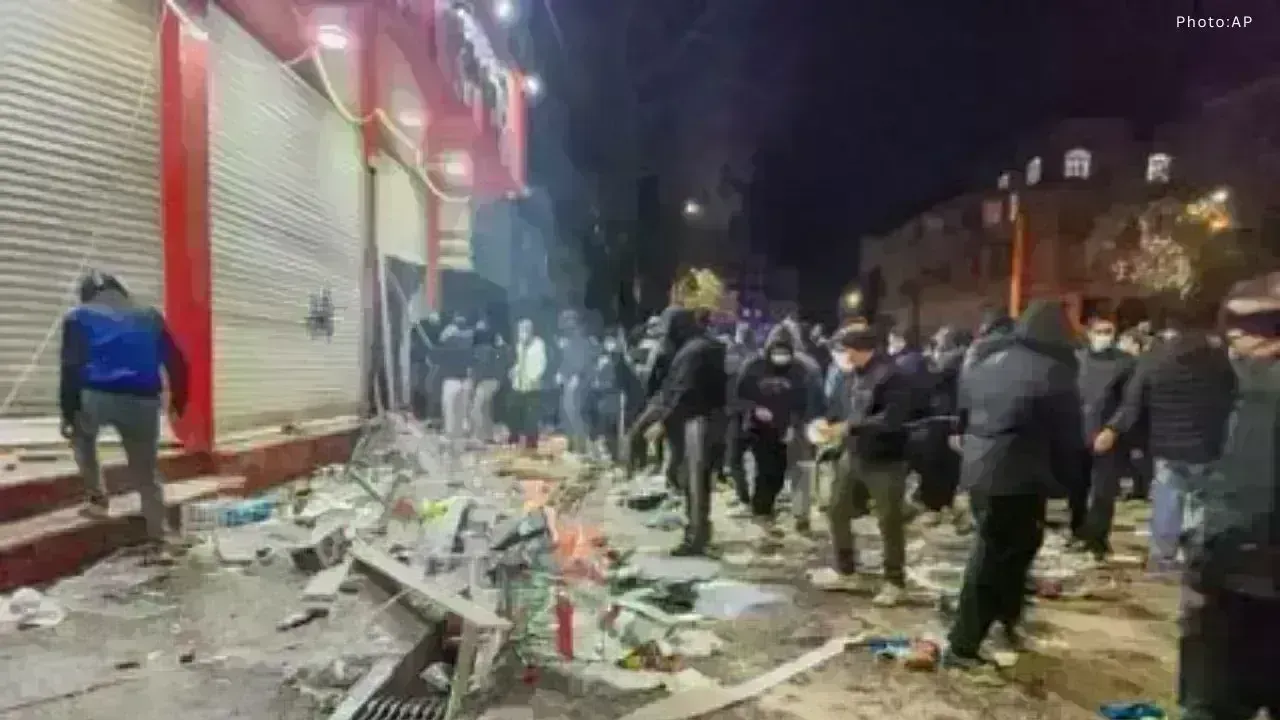
On Friday night, videos shared by activists showed large crowds in Tehran and other cities chanting slogans, lighting fires, and blocking major roads. Even after the government cut off internet access and international phone lines, people continued to gather in the streets, showing how deep public frustration has become.
Human rights groups say at least 65 people have been killed since the protests began in late December, and more than 2,300 people have been detained. These numbers have raised fears of a harsh crackdown similar to previous protest movements in Iran.
Supreme Leader Ayatollah Ali Khamenei addressed the situation in a speech broadcast on state television. He accused protesters of damaging their own streets to please U.S. President Donald Trump. Khamenei said demonstrators were “ruining their own streets” and dismissed Trump as someone whose hands were “stained with the blood of Iranians.” Supporters gathered at the speech were heard shouting slogans against the United States.
Soon after, Iranian state media referred to the protesters as “terrorists,” language that has often been used in the past to justify forceful action by security agencies. Iran’s judiciary chief, Gholamhossein Mohseni-Ejei, added to the tension by warning that punishments would be strict, decisive, and without leniency.
Despite official warnings and messages sent to families to keep children indoors, protests continued. Online videos showed burning vehicles, blocked intersections, and crowds chanting slogans such as “Death to the dictator” and “Death to Khamenei.” In some areas of northern Tehran, thousands of people were reportedly on the streets late into the night.
The demonstrations have also spread to other cities, including Zahedan and Hamedan. Iranian state television admitted that overnight violence killed several people, including members of the security forces. However, officials did not provide full nationwide figures.
A major turning point came after calls for protests by exiled Crown Prince Reza Pahlavi, the son of Iran’s last shah. He urged people to gather at 8 p.m. on consecutive nights, and many responded. For the first time in decades, slogans praising the former monarchy were heard openly, showing how strongly some protesters reject the current system.
Some demonstrators shouted slogans supporting the return of the shah, something that once carried the death penalty. Analysts say this reflects not only support for Pahlavi, but also a deep desire for change and an end to economic suffering.
Pahlavi later appealed to President Trump, warning that the internet blackout could allow security forces to act violently without international attention. Trump repeated his warnings to Iran’s leadership, saying the United States would respond strongly if protesters were killed. He said any action would not involve ground troops but would hit Iran “very hard.”
International reaction has also grown. Leaders from Germany, the United Kingdom, and France issued a joint statement condemning reported violence against protesters and urged Iran to allow peaceful demonstrations. Nobel Peace Prize winner Shirin Ebadi also criticized Iran’s leadership, saying a government that shoots its own people cannot claim moral authority.
Iran’s protests are no longer just about prices and jobs. They have become a direct challenge to the country’s political system. With communication cut, threats rising, and deaths increasing, the nation appears to be standing at a dangerous crossroads. Whether the protests continue or are crushed by force remains unclear, but the anger driving them is widespread and difficult to silence.



The Impact of Consistent Small Investments on Wealth Building
Discover how investing small amounts regularly can positively transform your financial future over t

7.5 Magnitude Earthquake Strikes Japan, Tsunami Alerts Issued
Japan experiences a hefty 7.5 quake, prompting tsunami alerts and safety measures. Stay updated on a
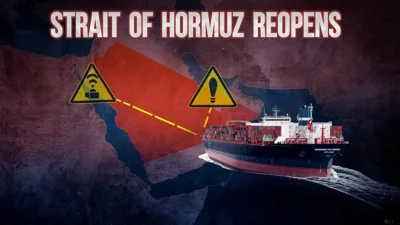
Reopening of the Strait of Hormuz: New Regulations to Impact Global Trade
Iran reopens the strategic Strait of Hormuz with new regulations affecting oil transport and global

Top 10 Must-See Attractions in NYC for First-Time Explorers
Discover essential experiences for first-time visitors to NYC, including attractions, culture, and i

Starbucks Engages Boyu Capital for Major Chinese Expansion
Starbucks teams up with Boyu Capital, selling a majority stake to boost growth and adapt to the Chin

Three Individuals Charged in Massive Meth Trafficking Case in Malaysia
In Malaysia, a married couple and another suspect are charged with trafficking 510kg of meth, facing