Post by : Shweta
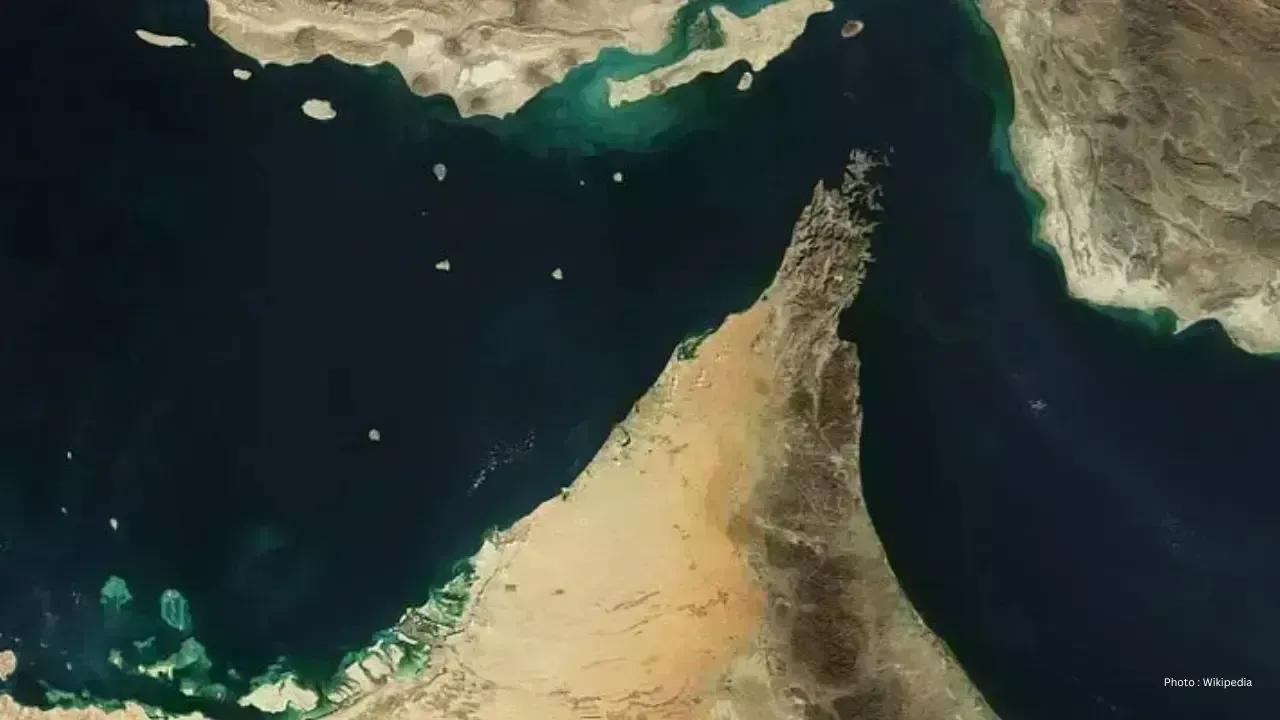
Iran has maintained its closure of the crucial Strait of Hormuz, despite a delicate ceasefire with the United States. This decision comes as a response to the ongoing U.S. naval blockade, which has intensified tensions in the Gulf and sparked concerns regarding global energy supplies.
Tehran reported the seizure of two ships that attempted to navigate the waterway, labeling the U.S. blockade as a breach of the ceasefire agreement. The Islamic Revolutionary Guard Corps declared that its naval forces intercepted and steered the vessels away, asserting that passage through the strait requires Iranian approval.
In parallel, the U.S. Central Command confirmed its orders directing numerous vessels to turn back or return to their respective ports as part of enforcement measures. The United States claims these actions aim to apply pressure on Iran without escalating to war.
This ongoing standoff has directly affected global markets, with oil prices spiking amidst worries of supply disturbances; both major benchmarks initially rose before slightly retreating. The Strait of Hormuz is one of the world's key maritime routes, handling close to 20% of global oil trade, making any disruption a significant global concern.
Former President Donald Trump has extended the ceasefire to facilitate further diplomatic efforts, especially mediations led by Pakistan. However, Iran's participation in forthcoming talks remains unconfirmed, contributing to lingering uncertainties.
Iranian leaders have vocally opposed the U.S. strategy, arguing that a ceasefire loses its meaning under military duress. Tehran's parliamentary representatives have asserted that the reopening of the strait cannot occur while they perceive ongoing violations.
The crisis has also triggered maritime security concerns, with reports from international monitoring organizations indicating that some vessels in the vicinity have received warnings or faced limited assaults, with no reported casualties yet. Nations connected to the impacted ships have expressed worry, branding the situation as an escalation.
Even as the ceasefire ostensibly holds, both parties continue to trade accusations of violating its terms. The U.S. has intercepted vessels purportedly tied to Iranian operations, while Iran insists on more stringent control over Gulf access.
In summary, the situation remains precarious. With Hormuz still closed and military activities ongoing, there exists a considerable risk of further escalation. The next few days will be critical in assessing whether diplomatic initiatives can reduce tensions or if the conflict edges towards a more serious confrontation.







Ultimate Guide to Snagging Cheap Flights in 2026
Unlock the secrets to booking affordable flights in 2026 with insightful tips and strategies tailore

The Impact of Consistent Small Investments on Wealth Building
Discover how investing small amounts regularly can positively transform your financial future over t

7.5 Magnitude Earthquake Strikes Japan, Tsunami Alerts Issued
Japan experiences a hefty 7.5 quake, prompting tsunami alerts and safety measures. Stay updated on a

Reopening of the Strait of Hormuz: New Regulations to Impact Global Trade
Iran reopens the strategic Strait of Hormuz with new regulations affecting oil transport and global

Top 10 Must-See Attractions in NYC for First-Time Explorers
Discover essential experiences for first-time visitors to NYC, including attractions, culture, and i

Starbucks Engages Boyu Capital for Major Chinese Expansion
Starbucks teams up with Boyu Capital, selling a majority stake to boost growth and adapt to the Chin