Post by : Saif Nasser
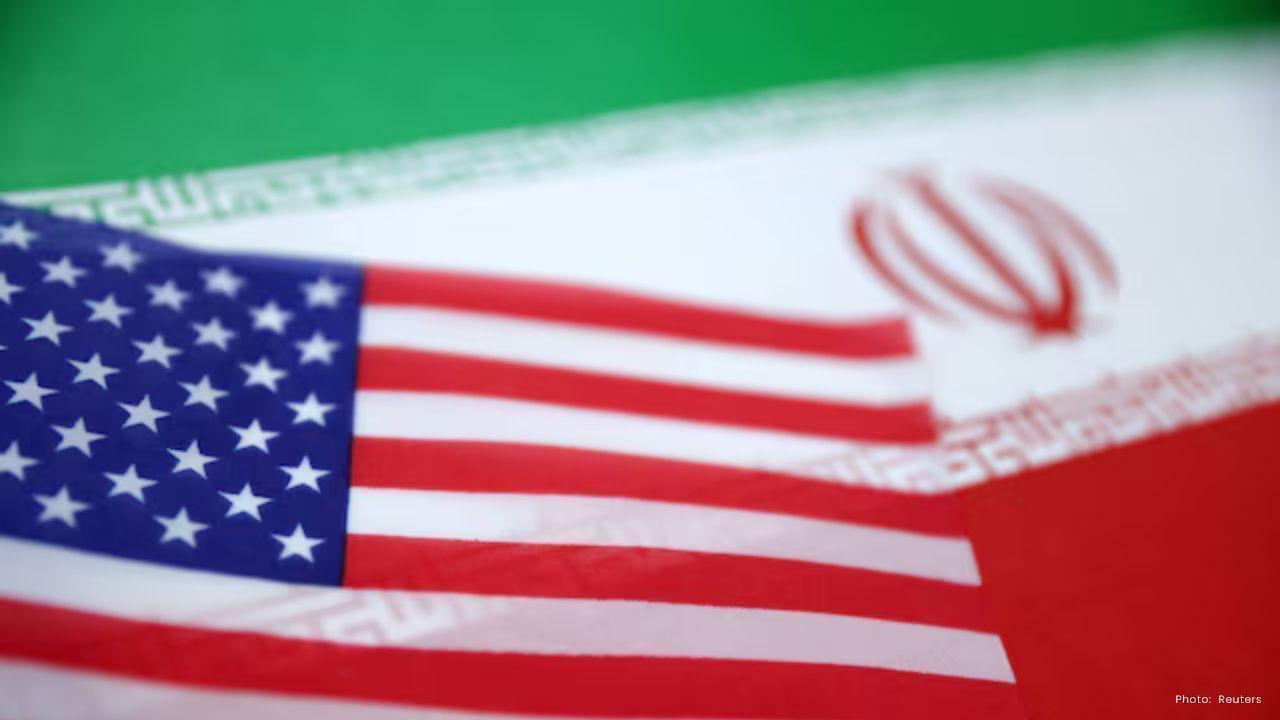
Iran has said it is carefully reviewing diplomatic efforts with the United States and hopes these talks may bring results in the coming days. The statement comes at a time of rising tension, with U.S. naval forces increasing their presence near Iran and both sides sending mixed signals about dialogue.
Iran’s foreign ministry spokesperson, Esmaeil Baghaei, said several diplomatic paths are being examined. According to him, messages between Iran and the United States are being exchanged through regional countries acting as intermediaries. These countries are helping pass ideas and proposals between the two sides as direct talks remain limited.
Baghaei explained that Iran is looking closely at the details of each diplomatic option before making decisions. He said Tehran hopes these efforts will lead to positive outcomes soon, but he did not share specific details about the form or timing of any talks.
The comments follow recent statements by U.S. President Donald Trump, who said Iran was “seriously talking” with Washington. His remarks came shortly after a senior Iranian security official said that arrangements for negotiations were underway. Together, these signals suggest that both sides may be testing the ground for renewed engagement, even as tensions remain high.
At the same time, the situation is complicated by military developments. The United States has increased its naval presence in the region, which Iran views with concern. Such moves raise fears of miscalculation, especially in a region already affected by multiple conflicts and rivalries.
Iran has long said it prefers diplomacy but insists that talks must be respectful and protect its national interests. Iranian officials often stress that pressure and military threats do not help dialogue and can instead make trust harder to build.
For the United States, managing tensions with Iran is part of a broader regional strategy. Washington has accused Tehran of destabilizing actions in the Middle East, while Iran rejects these claims and points to U.S. policies as the main source of instability.
Observers say the use of regional mediators shows that both sides want to avoid direct confrontation. Passing messages quietly allows space for compromise while reducing public pressure. However, success will depend on whether both governments are willing to move beyond words and take practical steps toward easing tensions.
For now, the world is watching closely. Any progress in diplomacy could help reduce risks in the region. Failure, on the other hand, could deepen mistrust at a time when stability is already fragile.








DAE Achieves Remarkable Growth in Q1 2026 With Record Revenue
Dubai Aerospace Enterprise announces impressive financial results for Q1 2026, reflecting a surge in

Price Increase for Sony PS5 in Southeast Asia Effective May 1
Sony announces a price increase for the PS5 across Southeast Asia starting May 1, 2026, impacting ga

Potential ‘Super El Niño’ in 2026: Understanding the Climate Risks
Could a Super El Niño emerge in 2026? Discover its implications and potential global climate impacts

Global Energy Crisis Intensifies: Markets React to Oil Supply Challenges
Markets are on edge as oil disruptions escalate, influencing prices and economic stability. Explore

Must-See Tourist Spots in London You Can't Overlook
Explore London's essential attractions, from royal landmarks to vibrant markets, ensuring an unforge

Ultimate Guide to Snagging Cheap Flights in 2026
Unlock the secrets to booking affordable flights in 2026 with insightful tips and strategies tailore




