Post by : Shweta
Canadian Prime Minister Mark Carney is encountering significant political hurdles as a prominent figure in the environmental sector has distanced himself from the Liberal leadership due to disagreements over climate and energy policies. This departure has ignited renewed discussions within Canada’s ruling Liberal Party regarding the trajectory of its environmental initiatives.
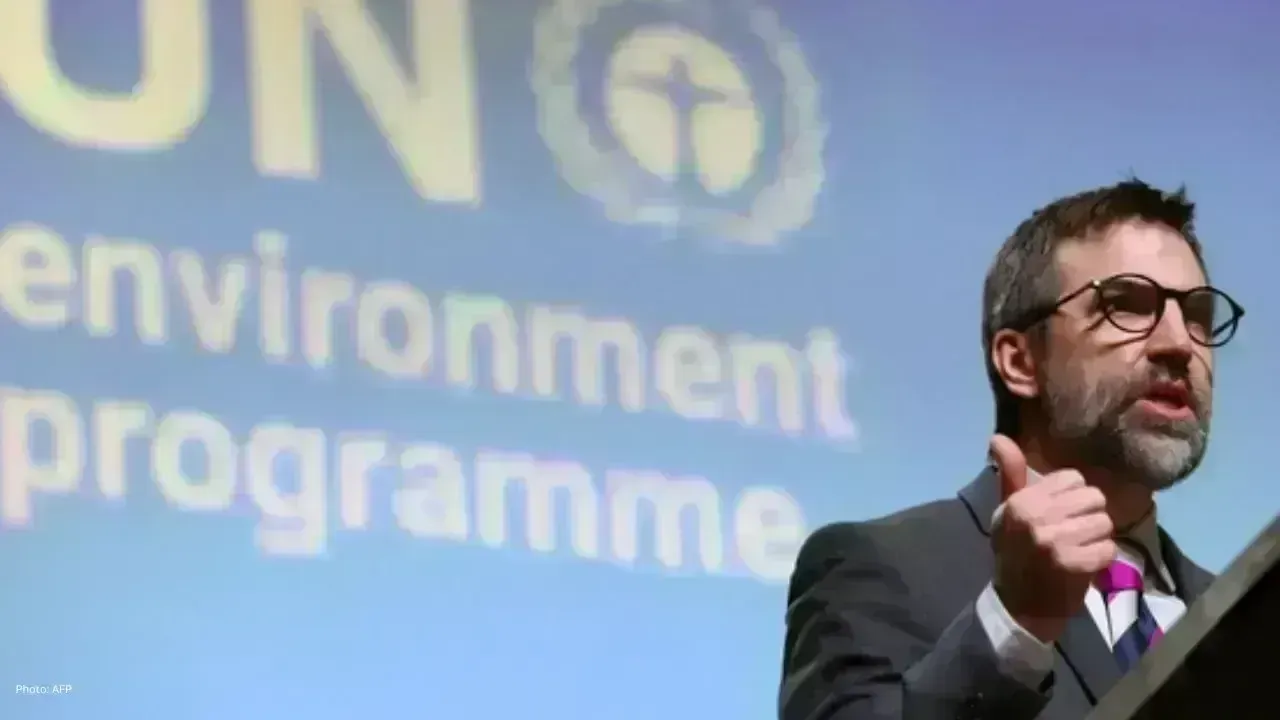
The friction escalated when former Environment Minister Steven Guilbeault publicly voiced his apprehensions about the government’s increasing endorsement of oil and pipeline initiatives. Guilbeault, previously known for his activism in climate matters before stepping into politics, has been a staunch advocate for environmental policies within the government. Reports indicate that tensions escalated primarily over a new energy agreement with Alberta.
Recent political assessments suggest that Prime Minister Carney is pivoting toward a more industry-appeasing energy strategy, aimed at bolstering Canada’s economy amid global uncertainties. The government has been advocating for discussions on expanding pipeline networks and enhancing energy investment, concurrently addressing economic pressures linked to international trade disputes and decelerating growth.
This shift has been met with resistance from environmental advocates within the Liberal Party. Guilbeault contends that several climate initiatives introduced by past Liberal administrations are now being diluted or abandoned. He cautioned that diminishing environmental protections could jeopardize Canada's long-term climate objectives and sow discord within the party ranks. Even after stepping back from a leadership role, Guilbeault is anticipated to continue his advocacy as a Liberal Member of Parliament.
Analysts postulate that this circumstance may represent one of the first significant tests for Mark Carney since he assumed the role of Prime Minister. Carney's prior reputation as a champion of climate action and sustainable finance is now in juxtaposition with his recent endorsements of substantial energy expansion. Critics argue that this shift appears contradictory to his previous environmental commitments.
The discourse has widened throughout Canadian politics, with some Liberal lawmakers emphasizing the necessity for robust climate action, while others assert that energy expansion is critical for safeguarding jobs and maintaining economic stability. Environmental organizations and climate advocates are closely monitoring the government's forthcoming actions, especially concerning pipeline approvals and industrial carbon regulations.
At present, Prime Minister Mark Carney has expressed gratitude towards Guilbeault for his contributions to environmental discussions, maintaining that diverse viewpoints can coexist within the Liberal caucus. Nonetheless, this disagreement underscores the increasing difficulty of reconciling economic growth with climate responsibilities in contemporary Canadian politics. The ensuing months will reveal whether Carney can maintain party unity while advancing his new energy agenda.








Meta Unveils Subscription Plans for Instagram, Facebook, and WhatsApp
Meta introduces new subscription plans for users of Instagram, Facebook, and WhatsApp, featuring enh

Suvarna Joy on Education Leadership, Resilience, and Building Purpose Through Adversity in the UAE
Suvarna Joy shares her journey of education leadership, motherhood, faith, and resilience within the

Anticipated Dates for UAE Eid Al Adha 2026 Unveiled by Astronomical Experts
Experts predict Eid Al Adha 2026 in the UAE to start on May 27, prompting early holiday planning amo

DAE Achieves Remarkable Growth in Q1 2026 With Record Revenue
Dubai Aerospace Enterprise announces impressive financial results for Q1 2026, reflecting a surge in

Price Increase for Sony PS5 in Southeast Asia Effective May 1
Sony announces a price increase for the PS5 across Southeast Asia starting May 1, 2026, impacting ga

Potential ‘Super El Niño’ in 2026: Understanding the Climate Risks
Could a Super El Niño emerge in 2026? Discover its implications and potential global climate impacts




