Post by : Anees Nasser
India's rich agricultural heritage, shaped by monsoons and ancestral practices, is now at a pivotal juncture as it embraces technology to enhance productivity and sustainability. Traditional farming, rooted in the wisdom of generations, is being transformed through the integration of advanced tools and data analytics.
Modern farms now harness drones for aerial surveillance and soil sensors for precise data collection. Gone are the days when farmers relied solely on instinct; technology now provides vital insights, enabling savvy decisions based on real-time data and trends. This evolution supports farmers in mitigating risks while maximizing yields and protecting the environment.
Today’s agricultural landscape is marked by smart, connected, and efficient farms that prioritize climate resilience and sustainability.
The unpredictability of rainfall and extreme weather patterns necessitate technological interventions for better forecasting and protection.
With agriculture consuming a significant portion of freshwater, precision irrigation technologies are vital for efficient water use.
As land divisions spread across generations, innovative micro-farming practices are essential for enhanced productivity.
With input costs escalating, tech integrated solutions streamline resource management and reduce waste.
To meet the needs of a growing population, smart farming practices are becoming crucial.
Emerging technologies make agriculture an appealing career path for rural youth, fostering skill development and innovation.
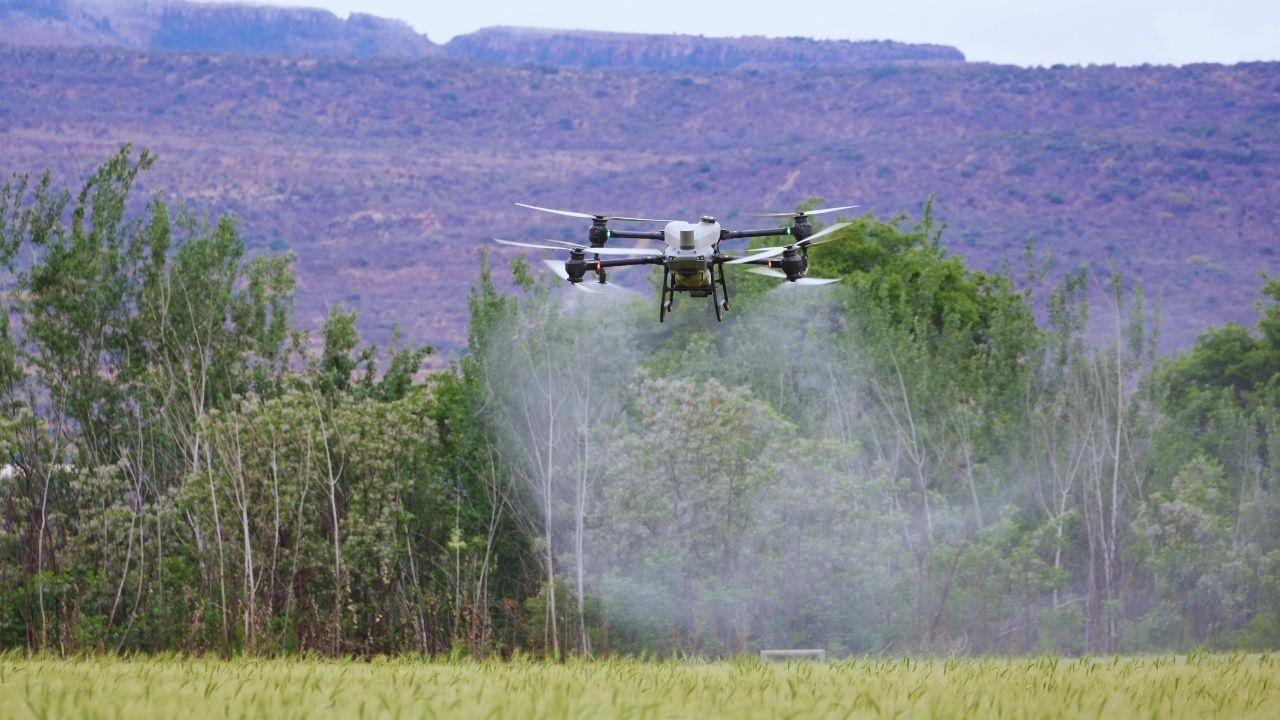
Both large and small farms increasingly rely on drones, elevating agricultural monitoring from traditional methods to advanced aerial analytics.
Monitoring crop health through high-resolution imaging
Applying pesticides and nutrients efficiently
Accurately mapping field boundaries
Assessing irrigation effectiveness
Detecting early pest infestations
Evaluating damage from storms or flooding
Enhances labor efficiency
Minimizes farmer exposure to hazardous chemicals
Provides precise applications leading to reduced pesticide use
Generates actionable insights for crop health management
Drones offer farmers insights that were once the reserve of large agritech companies. A single drone flight can cover vast areas quickly, assisting farmers in saving valuable crops.
Soil sensors track:
Moisture levels
Nutrient levels
Soil pH
Soil temperature and biological activity
Real-time data is accessible via mobile applications, allowing farmers to promptly respond to crop needs.
Smart irrigation systems move beyond traditional flooding, allowing for:
Drip and micro-drip irrigation
Automated watering based on demand
Linking activation to moisture levels
Effective water allocation
Conserves water
Enhances plant health
Ensures yield consistency
Reduces fertilizer runoff
Boosts microbial activity in soil
Contemporary Indian agriculture emphasizes the importance of soil not merely as dirt, but as a thriving ecosystem, and technology is crucial for its preservation.
This practice capitalizes on small areas to yield high-value crops through intensive agricultural techniques.
Vertical farming
Micro-green production
Hydroponic systems
Terrace gardens
Compact greenhouse innovations
Efficient tunnel systems
This trend supports:
Urban residents
Young rural farmers
Retired individuals seeking supplemental income
Women-led initiatives
Community-driven projects
Microgreens
Leafy greens like spinach
Cherry tomatoes
Herbs such as basil and mint
Mushrooms
Strawberries
Aromatic plants
Micro-farming directly links food production to community needs and bolsters economic stability for families.
Today’s farms utilize:
Weather prediction instruments
Automated systems
Smart nutrient distribution
Health monitoring for livestock
Security systems
Apps assist farmers from planting to sale, sending alerts for:
Pest detection
Weather forecasts
Optimal planting timelines
Market trends
AI aids farmers in:
Selecting suitable crop types
Yield predictions
Identifying plant distress
Preventing infestations proactively
Automated conditions for humidity and temperature are vital in these advanced growing environments.
Modern farmers:
Engage in agritech learning
Utilize online platforms for knowledge
Participate in community networks
Directly market their produce
Brand organic and innovative products
From hydroponic startups to drone services, agriculture is transforming into a vibrant entrepreneurial space.
Female farmers excel in terrace farming and other high-tech agricultural sectors, enhancing community involvement and economic stability.
Applications for crop rotation
Monitoring soil rejuvenation
Facilitating composting efforts
Implementing water recycling
Planning for rainwater collection
Smart technology mitigates chemical usage, prioritizing ecological health.
Innovations enable farmers to select drought-resistant seeds and plan efficient irrigation schedules.
Rural areas often lag in access to advanced tech and training.
Ongoing support and education for farmers are essential for successful technology adoption.
To mainstream technology, solutions must be economically accessible.
Access to electricity and internet remains a significant barrier in some regions.
AI-driven agricultural machines
Autonomous farming equipment
Satellite-based crop management
Blockchain applications for agricultural records
Smart farming collars for livestock
Drones for efficient crop sowing
Community tech centers for shared resources can accelerate technology adoption.
Government initiatives and startup collaborations will smooth the path to modernization.
India’s agri-tech advancements are beginning to influence global food systems.
The agricultural landscape in India is undergoing a remarkable transformation toward intelligent, data-centric, and sustainable practices. With technology enhancing traditional methods, a new generation of farmers is emerging—one that values both heritage and innovation in their pursuit of agricultural excellence.
This transition is not merely about increasing crop yields but about dignity, environmental stewardship, and securing livelihoods through advanced agricultural practices that are rapidly taking root.
As innovation unfolds, the future of Indian agriculture looks promising—grounded in advanced methodologies and sustainable practices.
This article presents ongoing trends and challenges in agriculture. Outcomes vary widely based on local conditions and the adoption of technologies. Farmers should consider their unique circumstances and seek professional advice prior to implementing new methodologies.









Anticipated Dates for UAE Eid Al Adha 2026 Unveiled by Astronomical Experts
Experts predict Eid Al Adha 2026 in the UAE to start on May 27, prompting early holiday planning amo

DAE Achieves Remarkable Growth in Q1 2026 With Record Revenue
Dubai Aerospace Enterprise announces impressive financial results for Q1 2026, reflecting a surge in

Price Increase for Sony PS5 in Southeast Asia Effective May 1
Sony announces a price increase for the PS5 across Southeast Asia starting May 1, 2026, impacting ga

Potential ‘Super El Niño’ in 2026: Understanding the Climate Risks
Could a Super El Niño emerge in 2026? Discover its implications and potential global climate impacts

Global Energy Crisis Intensifies: Markets React to Oil Supply Challenges
Markets are on edge as oil disruptions escalate, influencing prices and economic stability. Explore

Must-See Tourist Spots in London You Can't Overlook
Explore London's essential attractions, from royal landmarks to vibrant markets, ensuring an unforge




