Post by : Saif Nasser
India has asked its automobile industry to carefully manage production as global energy supplies face disruption due to the ongoing Iran conflict. The move reflects growing concern about rising fuel costs and their impact on manufacturing.
The government’s message to automakers is simple—adjust production plans based on available energy and market conditions. This comes at a time when oil prices have increased sharply, making operations more expensive for industries that rely heavily on fuel and electricity.
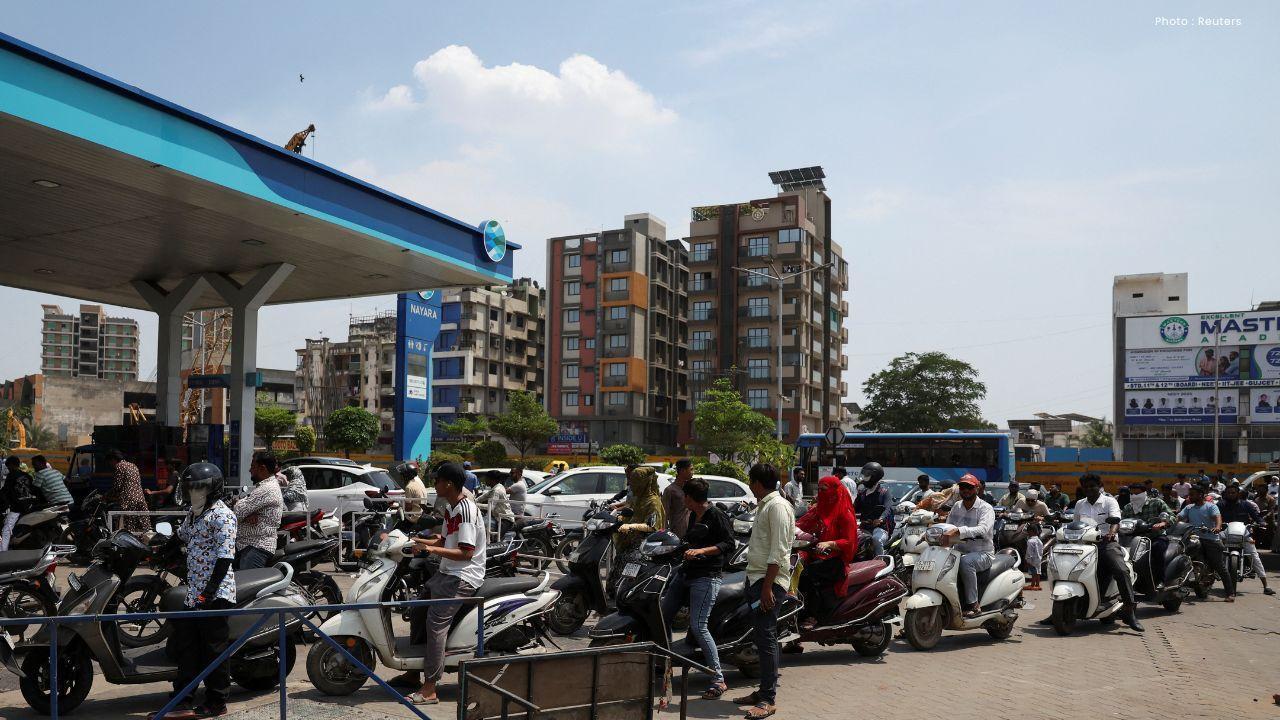
India depends on imports for a large part of its energy needs. Any disruption in global oil supply quickly affects domestic prices. The situation has become more serious due to tensions involving Iran, which plays a key role in global energy markets.
As oil prices rise, industries such as automobile manufacturing face higher costs. Factories need energy for production, transportation, and supply chains. When fuel becomes expensive, it affects every stage of the process.
Automakers are now being advised to plan production carefully instead of running at full capacity without considering costs. This approach can help companies avoid losses and manage resources better during uncertain times.
The automobile sector is one of the most important parts of India’s economy. It provides jobs to millions of people and contributes significantly to industrial growth. Any slowdown or disruption in this sector can have wider effects on the economy.
At the same time, the demand for vehicles is also linked to fuel prices. When petrol and diesel become more expensive, consumers may delay buying new vehicles. This can reduce sales and add pressure on manufacturers.
Experts say the current situation shows how global events can directly impact local industries. A conflict in one region can lead to higher prices and uncertainty in another part of the world.
The government’s advice is not seen as a restriction but as a precaution. By optimizing production, companies can avoid overproduction and reduce waste. It also helps them stay flexible and respond quickly to changes in the market.
Some companies have already started reviewing their strategies. They are looking at ways to improve efficiency, reduce energy use, and manage costs more effectively.
The situation also highlights the importance of alternative energy sources. India has been promoting electric vehicles and renewable energy to reduce dependence on imported fuel. However, this transition will take time.
In the short term, industries must deal with the current challenges. Careful planning, cost control, and smart decision-making will be key to handling this period of uncertainty.
The global energy market remains unstable, and prices may continue to fluctuate. This makes it difficult for companies to plan long-term strategies with confidence.
For consumers, the impact may be seen in higher vehicle prices or delays in new launches. Rising costs can affect both production and demand, creating a cycle that slows down growth.
In the long run, this situation could push industries to become more efficient and less dependent on traditional energy sources. It may also encourage faster adoption of cleaner technologies.
For now, the focus is on stability. The government’s call for optimized production is aimed at protecting both businesses and the broader economy during a challenging time.
In the end, the message is clear—when global conditions become uncertain, careful planning becomes more important than rapid growth. The ability to adapt will decide how well industries manage the challenges ahead.









Mattel Revives Masters of the Universe Action Figures Ahead of Film Launch
Mattel is reintroducing Masters of the Universe figures in line with its upcoming film, tapping into

China Executes 11 Members of Criminal Clan Linked to Myanmar Scam
China has executed 11 criminals associated with the Ming family, known for major scams and human tra

US Issues Alarm to Iran as Military Forces Deploy in Gulf Region
With a significant military presence in the Gulf, Trump urges Iran to negotiate a nuclear deal or fa

Copper Prices Reach Unprecedented Highs Amid Geopolitical Turmoil
Copper prices soar to all-time highs as geopolitical tensions and a weakening dollar boost investor

New Zealand Secures First Win Against India, Triumph by 50 Runs
New Zealand won the 4th T20I against India by 50 runs in Vizag. Despite Dube's impressive 65, India