Post by : Anees Nasser
While many think they know their own bodies well, a surprising complexity lurks beneath the surface. Despite routine interactions with medical systems and basic health education, the biological mechanisms at play often defy common understanding.
The human body continually adapts and self-regulates, changing its functions in response to various stimuli, making it more akin to a living organism than a mere machine.
Here are ten shocking truths about the human body that might seem incredible at first glance, yet are scientifically validated.
For years, scientists assumed that the brain's rewiring ceased after childhood. This notion has been overturned. Throughout life, the brain retains the ability to reorganize itself through neuroplasticity.
Every time you learn something new, recover from a setback or adjust to new experiences, your brain forms new neural connections. Even older adults can develop fresh pathways, showcasing an astonishing ability to adapt.
Despite producing potent acids that can dissolve metal, the stomach remarkably refrains from digesting itself. This is due to the fact that the stomach lining regenerates roughly every three to five days.
Specialized cells perpetually renew the lining to counteract acid damage, showing the body's commitment to self-preservation.
The human body emits a subtle light, a result of biochemical reactions within cells. This phenomenon, known as ultra-weak photon emission, occurs during metabolic processes.
While this glow is real, it's undetectable by the naked eye because it's far too faint for human vision. Special imaging techniques can make it visible.
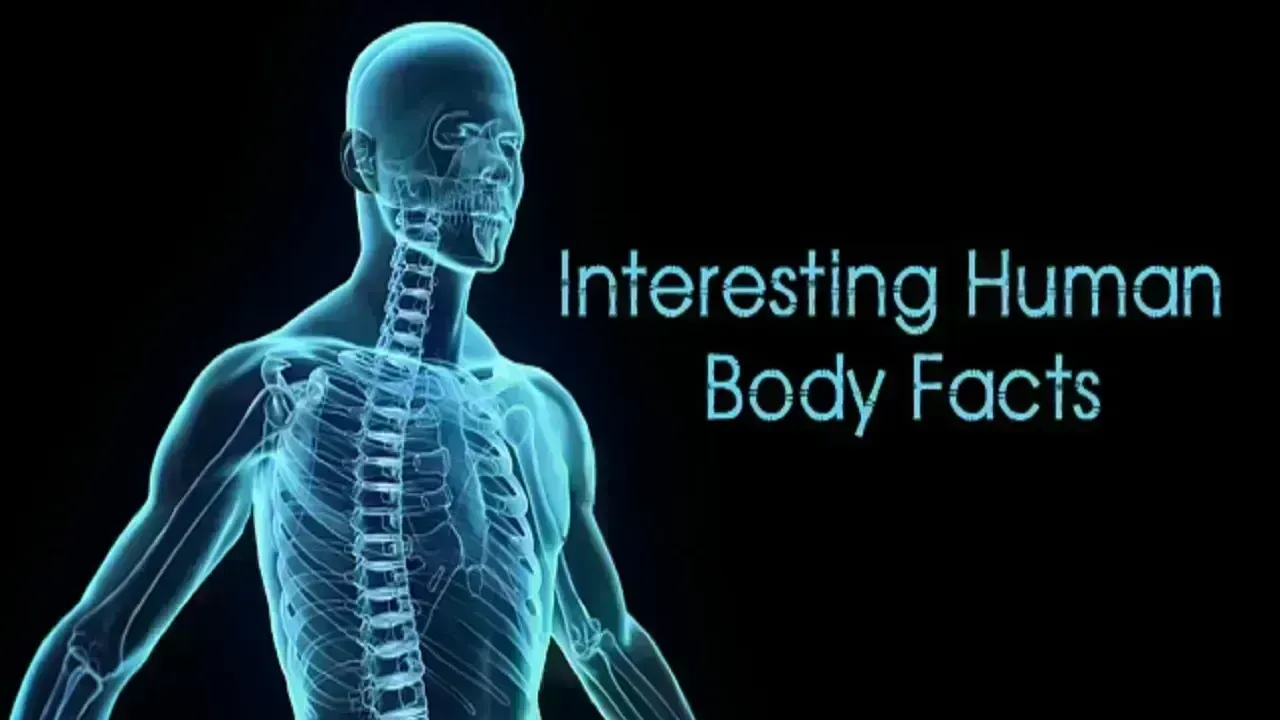
Often perceived as weak, bone is actually stronger than steel when compared by weight. A bone fragment the size of a matchbox could support several tons of pressure.
This strength arises from bones' complex structure, designed to handle stress and repair themselves following injury.
The digestive system houses an extensive network of neurons, known as the enteric nervous system, which functions autonomously to manage digestion and gut movements.
Containing more neurons than the spinal cord, this "second brain" can operate independently while still communicating with your main brain.
Though many perceive their bodies as constant, numerous cells undergo replacement on a regular basis. Skin cells renew every few weeks, while red blood cells have a lifespan of about four months.
Over the years, significant portions of the body are reconstructed, reminding us that biologically, we are not the same as we once were.
The immune system possesses an incredible memory. Once exposed to a pathogen, it keeps a record, allowing quicker and more robust reactions in subsequent encounters.
Some immune responses can last a lifetime, signifying that your body retains a unique biological archive of threats it's battled.
Uniquely, the heart doesn't depend solely on the brain to beat. It has an intrinsic electrical network responsible for generating and regulating contractions.
This mechanism allows the heart to beat independently of brain signals, given oxygen and nutrients are available, showcasing an impressive degree of autonomy.
Your body teems with trillions of microorganisms that thrive on your skin and within your gut. These microbes are vital for digestion, immunity, and even cognitive functions.
In terms of cell quantity, these microorganisms can outnumber human cells, constituting an essential part of your biological identity.
Pain can feel straightforward, yet it is not a direct measurement of harm. It is a construct of the brain derived from various inputs, context, and prior experiences.
This is why individuals can experience pain without injury or remain unaffected amid severe harm, emphasizing pain's neurological aspects beyond mere physical damage.
These revelations about the human body illustrate its incredible intricacies and interconnectedness. It operates continuously across various systems even when largely unnoticed.
The body's automatic responses highlight its resilience; it foresees needs, rectifies errors, and prioritizes survival constantly without conscious intervention.
Such facts may seem implausible as human perception is often limited. We experience results, like hunger or fatigue, but rarely the underlying processes like digestion or cellular repair.
With modern lifestyles often overextending bodily limitations, understanding how the body operates can foster healthier habits grounded in respect rather than fear.
Though medical advancements have broadened our understanding, many aspects of the human body remain largely unexplored. Ongoing research continues to uncover the connections between mind and body.
The wonder of the human body lies not in its fragility, but in its extraordinary capacity to function and thrive. It cultivates healing, recall, and adaptability—processes honed across millions of years of evolution.
Once you grasp the astonishing reality of the human body, your appreciation for it only deepens.
Disclaimer: This article serves informational purposes and should not be a substitute for professional medical guidance. Biological responses can differ among individuals.









Anticipated Dates for UAE Eid Al Adha 2026 Unveiled by Astronomical Experts
Experts predict Eid Al Adha 2026 in the UAE to start on May 27, prompting early holiday planning amo

DAE Achieves Remarkable Growth in Q1 2026 With Record Revenue
Dubai Aerospace Enterprise announces impressive financial results for Q1 2026, reflecting a surge in

Price Increase for Sony PS5 in Southeast Asia Effective May 1
Sony announces a price increase for the PS5 across Southeast Asia starting May 1, 2026, impacting ga

Potential ‘Super El Niño’ in 2026: Understanding the Climate Risks
Could a Super El Niño emerge in 2026? Discover its implications and potential global climate impacts

Global Energy Crisis Intensifies: Markets React to Oil Supply Challenges
Markets are on edge as oil disruptions escalate, influencing prices and economic stability. Explore

Must-See Tourist Spots in London You Can't Overlook
Explore London's essential attractions, from royal landmarks to vibrant markets, ensuring an unforge




