Post by : Sami Jeet
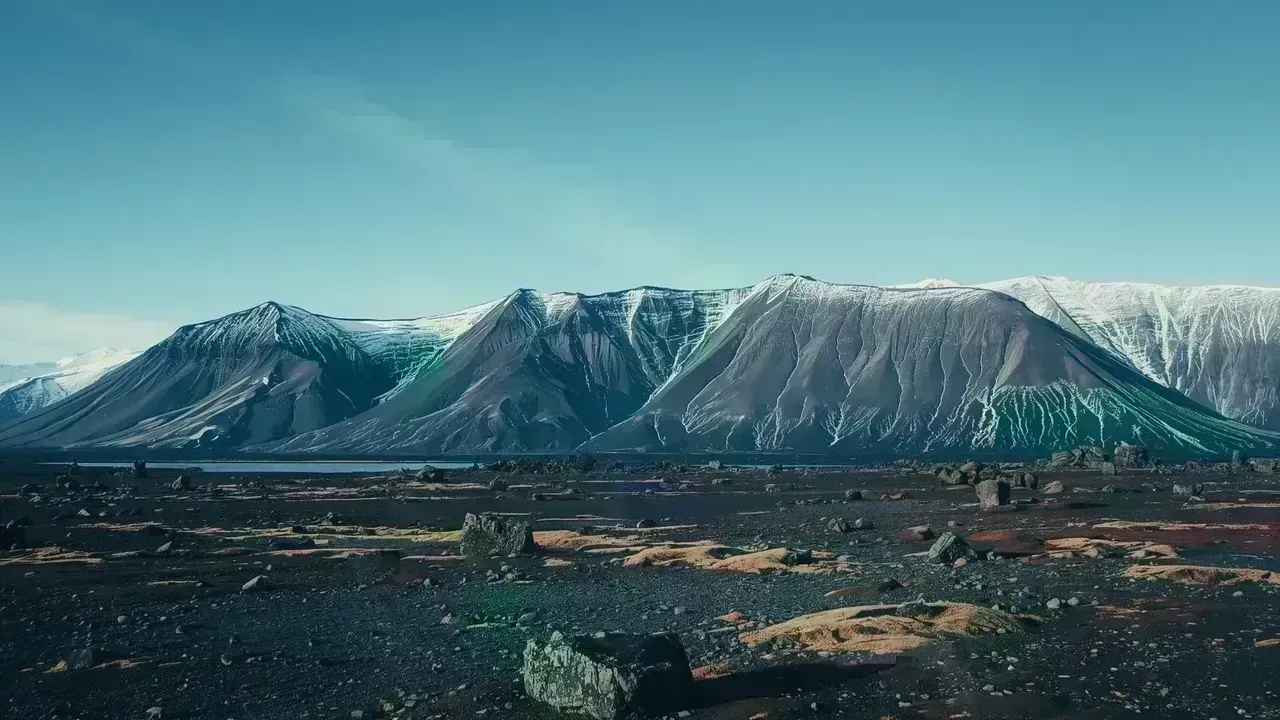
Visiting Iceland in winter promises an enchanting experience, yet presents its own set of challenges. With its stunning snowy landscapes, cascading frozen waterfalls, vivid northern lights, and a lesser tourist flow, winter in Iceland is captivating. However, the severe weather, short daylight hours, and tricky road conditions demand meticulous preparation. This guide provides a comprehensive checklist for a safe and enjoyable winter journey through Iceland, including essential information on roads, clothing, transportation, and practical travel advice.
Winter in Iceland spans from November to March, with some aspects extending until April. Average temperatures hover around -1°C to 5°C, but fierce winds can make it feel significantly colder. Regions experience varying snowfall, and abrupt weather transitions are typical. Daylight, particularly in December and January, can be as minimal as four to five hours.
Icelandic roads can be icy and slick during the colder months. Key routes such as Route 1, also known as the Ring Road, are generally maintained but may quickly become hazardous due to shifting weather patterns. Mountain paths and highland routes are often completely shut down in winter.
Driving demands attentiveness and caution. Black ice is prevalent, especially on bridges and shaded zones. Strong winds can also affect driving, particularly for larger vehicles. Always verify daily road updates before setting off and be prepared to modify travel plans as needed.
Driving during the winter is manageable with adequate preparation and adaptability. For those apprehensive about icy roads or sparse daylight, opting for guided tours is a safer choice. Tour operators closely monitor weather and modify routes as necessary. If driving, aim for shorter travel days and avoid nighttime driving whenever possible.
Wearing the right clothing is vital for both comfort and safety in Iceland's winter chill. Layering is crucial for fluctuating weather and indoor heating.
A waterproof and windproof jacket is essential, while thermal base layers help maintain warmth. Insulated mid-layers, like fleece or down jackets, provide added heat. Waterproof pants shield against snow and wetness. Thermal socks keep your feet warm and carrying extra pairs is recommended.
Sturdy waterproof boots with good traction are necessary for navigating snow and ice. Insulated, windproof gloves are a must, along with a warm hat covering your ears, and a neck gaiter or scarf for added protection against frigid winds.
Iceland's winter chill is often coupled with dampness from snow, sleet, or rain. Staying dry is crucial; wet clothing leads to heat loss and discomfort. A combination of waterproof outerwear and insulating layers provides optimal protection.
Many pathways, parking lots, and tourist sites can be icy during winter. Wearing shoes without proper gripping can lead to slips and falls. Opt for boots with solid traction, and many travelers also bring detachable ice cleats for additional grip, especially around waterfalls.
For those planning to drive, renting a four-wheel-drive vehicle is strongly recommended. Winter tires are mandatory during the colder months and come included in rentals. Always keep your headlights on, even in daylight.
Ensure to have a fully charged phone, car charger, and important contact numbers handy. Inform someone of your daily itinerary, particularly when exploring remote areas. Gas stations can be sparse in rural parts, so refuel whenever possible.
Weather in Iceland can shift rapidly. Storms might lead to sudden road closures with little warning. Always check forecasts and road conditions before heading out for the day. Incorporate buffer days into your plans to accommodate weather-related delays.
Avoid driving during severe weather alerts. Disregarding warnings can trigger accidents or dangerous rescue situations.
Limited daylight poses a notable challenge in winter. In December, daylight can only last from around 11:30 AM to 3:30 PM. Organize sightseeing to occur during daylight hours and avoid cramming activities. Prioritize photography, road trips, and outdoor adventures when the sun is up.
Winter is prime time for spotting the northern lights. Favorable conditions come with clear skies and minimal light interference. Regularly check aurora forecasts and cloud coverage. Dress warmly and be prepared to wait outdoors for extended periods.
First-time visitors may benefit from northern lights tours, as guides stay informed about weather conditions to enhance viewing experiences.
Selecting accommodations in strategic locations minimizes travel risks. Opt for hotels or guesthouses near main routes rather than isolated areas, especially if driving conditions become poor. Many lodgings offer heating, blackout curtains, and wake-up services for aurora viewing.
Securing flexible cancellation options is prudent, should weather disrupt plans.
Dining establishments and grocery stores might operate on reduced schedules during winter, especially outside Reykjavik. Always carry snacks and water for long journeys. Hot meals and drinks help maintain body heat during outdoor excursions.
Cold conditions heighten the risk of dehydration, fatigue, and frostbite. Regularly hydrate—even when not thirsty—and take breaks to warm up indoors. Be wary of walking on unstable ice near rivers, cliffs, and coastlines.
Obtain travel insurance that encompasses winter sports, weather-related delays, and medical emergencies.
Winter tours provide safety and convenience, particularly for activities like glacier hiking and northern lights excursions. Self-driving offers flexibility but necessitates experience and caution. Many travelers combine both approaches, enjoying guided tours for challenging activities while driving for shorter journeys.
Misjudging weather conditions can lead to rushed plans and dangerous driving. Wearing non-waterproof footwear can cause discomfort and injury risks. Ignoring weather advisories can disrupt your itinerary. Overplanning without buffer days can lead to stress.
November and March strike a balance between breathtaking winter scenes and ample daylight. December and January deliver an authentic winter ambiance but with limited daylight. February presents great chances for northern lights sightings along with slightly extended days.
Experiencing Iceland in winter is awe-inspiring but requires a respectful approach to nature and thorough planning. With suitable clothing, sensible itineraries, awareness of road conditions, and prioritizing safety, you can craft unforgettable winter memories. In Iceland, preparation is not a luxury; it is the cornerstone of enjoying its spectacular beauty safely.
This article serves solely for informational purposes. Weather, road conditions, and safety guidelines in Iceland may change swiftly. Travelers are encouraged to consult official weather and road updates prior to and throughout their visit.







Anticipated Dates for UAE Eid Al Adha 2026 Unveiled by Astronomical Experts
Experts predict Eid Al Adha 2026 in the UAE to start on May 27, prompting early holiday planning amo

DAE Achieves Remarkable Growth in Q1 2026 With Record Revenue
Dubai Aerospace Enterprise announces impressive financial results for Q1 2026, reflecting a surge in

Price Increase for Sony PS5 in Southeast Asia Effective May 1
Sony announces a price increase for the PS5 across Southeast Asia starting May 1, 2026, impacting ga

Potential ‘Super El Niño’ in 2026: Understanding the Climate Risks
Could a Super El Niño emerge in 2026? Discover its implications and potential global climate impacts

Global Energy Crisis Intensifies: Markets React to Oil Supply Challenges
Markets are on edge as oil disruptions escalate, influencing prices and economic stability. Explore

Must-See Tourist Spots in London You Can't Overlook
Explore London's essential attractions, from royal landmarks to vibrant markets, ensuring an unforge




