Post by : Anees Nasser
Hydrogen's presence in discussions on energy has surged, becoming a focal point for governments, energy firms, and climate advocates. They herald it as a sustainable alternative, potentially powering vehicles, industrial operations, and households. For nations grappling with energy stability amidst climate commitments, hydrogen seems like a promising solution.
The primary allure lies in its clean combustion. Hydrogen burns cleanly, releasing only water vapor, making it immensely attractive in a world striving to minimize pollution.
When harnessed as an energy source, hydrogen emits no carbon dioxide, rendering it an attractive option for sectors where emission reduction is a challenge, such as heavy industry, maritime shipping, and long-distance transport.
For decision-makers, hydrogen represents a pathway to decarbonise areas that may not be easily addressed by solar or wind energy alone.
Hydrogen's applications are diverse—it generates electricity, powers transport, stores energy, and serves as a key material for industries including steel, fertilizers, and chemicals.
This adaptability is a core reason hydrogen is viewed as a pivotal element of a sustainable energy future.
Currently, much of the hydrogen in circulation is sourced from natural gas, a process that emits substantial carbon. Thus, grey hydrogen remains less than ideal environmentally.
Despite the idealistic narrative around green alternatives, grey hydrogen continues to dominate due to its cost-effectiveness and the existing infrastructure.
Blue hydrogen is produced from natural gas but incorporates carbon capture technology to mitigate emissions. Although cleaner than grey hydrogen, it still depends on fossil fuels and isn't completely free of emissions.
Its success hinges heavily on the effectiveness of carbon capture technologies.
Green hydrogen is generated via renewable energy sources, utilizing electricity to split water. This method emits no carbon, establishing it as the most environmentally sound choice.
Nonetheless, high production costs and limited scalability pose significant hurdles to its adoption.
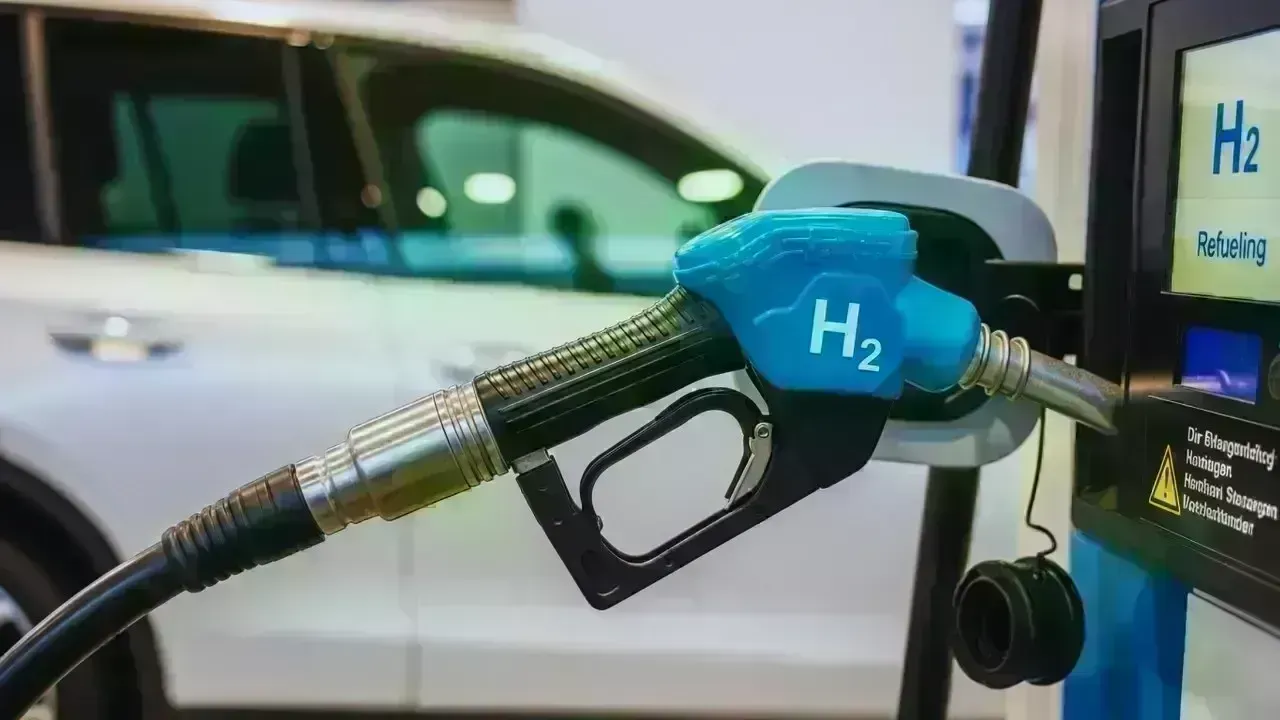
Vehicles powered by hydrogen are known for their fast refueling and extended range, making them appealing for freight and public transport. However, the current lack of hydrogen refueling stations presents a challenge for average consumers, giving battery electric vehicles a clear edge in accessibility.
The adoption of hydrogen for residential cooking or heating is being debated as an alternative to natural gas, although it would necessitate extensive modifications to current infrastructure and safety systems.
For now, electric solutions remain more practical for most homes.
Industries such as steel manufacturing rely heavily on coal and gas for high-temperature production processes. Hydrogen could significantly reduce emissions in these sectors where electrification proves challenging.
Thus, hydrogen's role is not merely speculative—it is crucial for achieving decarbonisation in heavy industries.
As a vital component in fertilizer production, transitioning to green hydrogen could markedly reduce emissions in agriculture-related sectors.
Here, the goal is less about replacing fossil fuels entirely and more about eliminating polluting hydrogen sources.
As solar and wind energy production is often sporadic, hydrogen serves as a storage medium for excess energy, releasing power on demand and aiding in stabilizing grids.
This positions hydrogen as more of a long-term energy solution rather than a primary source.
Hydrogen offers the ability to store energy over extended periods, a challenge for batteries, making it particularly useful for addressing seasonal energy needs.
Creating green hydrogen necessitates substantial renewable electricity and advanced infrastructure, resulting in costs that surpass fossil fuel alternatives.
Without advancements in production scale and technology, hydrogen will struggle to remain competitive economically.
While governments provide financial support and incentives to promote hydrogen adoption, ongoing affordability remains uncertain, particularly for consumers.
Without enduring policy backing, hydrogen might stay confined to niche applications.
The inherent low density and high reactivity of hydrogen complicate its storage and transportation. Existing gas pipelines could require considerable upgrades.
Establishing hydrogen infrastructure necessitates extensive investment, time, and public support.
Due to its flammable nature, hydrogen raises safety concerns among the public. While safety measures are in place, fostering trust is essential for broader implementation.
Certain narratives imply that hydrogen can swiftly supplant all fossil fuels. Such claims are unrealistic, as hydrogen lacks the capacity to resolve every energy challenge.
Promoting hydrogen excessively may divert focus from sustainable solutions already proven effective, such as increasing energy efficiency and electrification.
Hydrogen attracts interest from industries and governments since it allows for modifications to existing systems rather than complete transformations.
This tendency for convenience can occasionally lead to optimism that outpaces evidence.
Hydrogen should be recognized as a complement to renewable electricity rather than a replacement. Its primary applications lie within industry, heavy transport, and energy storage, rather than typical household energy usage.
The impact of hydrogen is likely to be incrementally realized over time. As a long-range transition strategy, it will take decades to achieve notable progress.
In the near future, hydrogen is unlikely to alter daily lives significantly. Electric vehicles and solar energy will dominate energy options for most.
Hydrogen’s role will primarily remain behind the scenes.
As hydrogen assists in the decarbonisation of industries and energy systems, everyone stands to gain cleaner air, lower emissions, and improved energy stability.
Though these effects may be subtle, they hold considerable significance.
Hydrogen is neither a miraculous fix nor mere exaggeration. It holds real potential, particularly in sectors where other options falter. However, its constraints—costs, infrastructure readiness, and efficiency—cannot be overlooked.
The energy future will not rely solely on hydrogen; rather, it will likely play a focused and strategically important role alongside renewables, batteries, and other improvements in efficiency.
The critical question revolves not around whether hydrogen can dismantle fossil fuel reliance, but where its use makes sense—and where it does not.
This article serves as an informational piece. The evolution of energy technologies and policies may vary based on regional regulations and market dynamics.










Anticipated Dates for UAE Eid Al Adha 2026 Unveiled by Astronomical Experts
Experts predict Eid Al Adha 2026 in the UAE to start on May 27, prompting early holiday planning amo

DAE Achieves Remarkable Growth in Q1 2026 With Record Revenue
Dubai Aerospace Enterprise announces impressive financial results for Q1 2026, reflecting a surge in

Price Increase for Sony PS5 in Southeast Asia Effective May 1
Sony announces a price increase for the PS5 across Southeast Asia starting May 1, 2026, impacting ga

Potential ‘Super El Niño’ in 2026: Understanding the Climate Risks
Could a Super El Niño emerge in 2026? Discover its implications and potential global climate impacts

Global Energy Crisis Intensifies: Markets React to Oil Supply Challenges
Markets are on edge as oil disruptions escalate, influencing prices and economic stability. Explore

Must-See Tourist Spots in London You Can't Overlook
Explore London's essential attractions, from royal landmarks to vibrant markets, ensuring an unforge




