Post by : Anees Nasser
In cities around the world, rooftops, balconies, and small courtyards are being transformed into lush green spaces. Urban gardening, once seen as a hobby for a few enthusiasts, has become a mainstream movement. With limited access to fresh produce, rising food costs, and a growing awareness of environmental sustainability, city dwellers are embracing the idea of growing their own greens.
Urban gardening encompasses various forms—from small balcony herb pots to large community gardens. It provides residents the opportunity to cultivate fresh vegetables, herbs, and even fruits, often in spaces previously considered unusable.
The trend is driven by multiple factors: a desire for healthier food, the mental health benefits of interacting with plants, and a growing environmental consciousness. Urban gardening represents a lifestyle choice as much as a practical solution to urban challenges.
One of the most immediate benefits of urban gardening is access to fresh, pesticide-free produce. Homegrown vegetables retain nutrients better than store-bought ones that have traveled long distances. Herbs, leafy greens, and seasonal vegetables thrive in small urban spaces when nurtured properly, offering city dwellers a daily source of fresh nutrition.
Gardening is therapeutic. Tending plants reduces stress, improves mood, and promotes mindfulness. Physical activity involved in planting, watering, and harvesting provides moderate exercise, which can be particularly valuable in urban areas where opportunities for outdoor physical activity may be limited.
Urban gardens reduce carbon footprints. By growing food locally, reliance on transportation and packaging decreases. Plants also improve air quality, absorb carbon dioxide, and mitigate the urban heat island effect. Even small balconies adorned with greenery contribute to environmental benefits.
Community gardens foster social interaction, skill sharing, and collective responsibility. They bring neighbors together, creating spaces where knowledge is exchanged, friendships are formed, and local communities are strengthened.
Urban gardening is versatile, allowing for adaptation to different spaces and lifestyles.
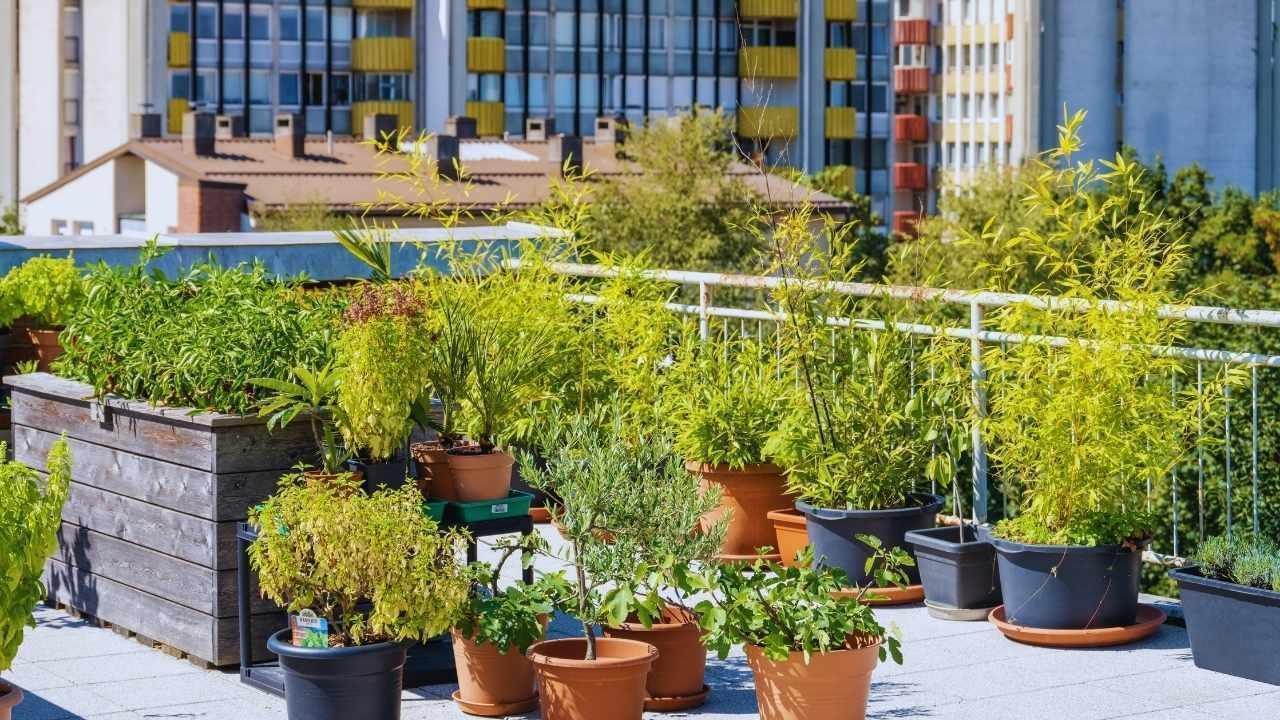
Ideal for balconies, patios, or small courtyards, container gardening involves planting in pots, buckets, or planters. This method works for herbs like basil and mint, leafy greens like spinach, and vegetables like cherry tomatoes. Container gardening is manageable, portable, and adaptable to any city apartment.
Vertical gardens maximize limited space by using walls, trellises, or vertical planters. This technique allows multiple plants to thrive in a compact area, making it perfect for apartments with small floor space. Vertical gardens also serve as natural décor, enhancing the aesthetic appeal of urban homes.
For those seeking innovative approaches, hydroponic and aquaponic systems allow soil-less cultivation. Plants grow in nutrient-rich water, often paired with fish farming in aquaponics. These systems are efficient, use less water than traditional gardening, and can yield high productivity in small spaces.
Rooftop and community gardens are larger-scale initiatives where multiple residents share space for gardening. They provide access to larger growing areas, allow experimentation with crops, and promote collective engagement. Many urban communities have adopted rooftop gardens as part of sustainability projects, turning unused spaces into productive green zones.
Selecting suitable plants is essential for successful urban gardening. Easy-to-grow options include herbs like parsley, cilantro, and thyme; leafy greens such as lettuce, spinach, and kale; and vegetables like cherry tomatoes, peppers, and radishes.
Consideration should be given to sunlight availability, container size, and climate conditions. Companion planting, where compatible plants grow together, can enhance productivity and deter pests naturally. Urban gardeners often start with hardy plants before gradually exploring more delicate or high-maintenance varieties.
Sunlight Assessment: Track the amount of sunlight your space receives daily. Most vegetables require 4–6 hours of direct sunlight.
Soil Quality: Use high-quality potting mix for containers or raised beds to ensure healthy root development.
Watering Routine: Consistent watering is key. Container gardens often dry faster than traditional beds, so daily monitoring is recommended.
Pest Management: Encourage natural predators, like ladybugs, and use organic pesticides if necessary. Avoid chemical sprays in small shared spaces.
Regular Maintenance: Pruning, harvesting, and rotating crops maximize yields and prevent disease.
Urban gardening is a step toward a sustainable lifestyle. Growing your own greens reduces reliance on industrial agriculture, which contributes to deforestation, greenhouse gas emissions, and excessive water use. Small-scale city gardens also encourage composting kitchen waste, further reducing environmental impact.
Sustainable practices, like rainwater harvesting, using recycled containers, and organic fertilizers, make urban gardening eco-friendly and teach city dwellers the principles of environmental stewardship.
While the primary goal may be health and sustainability, urban gardening can also be financially rewarding. Growing your own vegetables and herbs reduces grocery bills, particularly for high-value items like fresh herbs, cherry tomatoes, and microgreens.
Some urban gardeners take it further by selling excess produce to neighbors, local restaurants, or farmers’ markets. This micro-entrepreneurial approach not only offsets costs but fosters community engagement and encourages local food consumption.
Despite its advantages, urban gardening has challenges. Limited space, pollution, lack of sunlight, and water scarcity are common obstacles.
Space Limitations: Vertical gardens, container stacking, and rooftop setups can maximize small areas.
Pollution and Dust: Washing harvested produce thoroughly and using protective covers helps mitigate contamination.
Water Shortages: Drip irrigation, self-watering containers, and rainwater harvesting can reduce water usage.
Knowledge Gap: Workshops, online tutorials, and community gardening groups help beginners learn techniques and troubleshoot problems.
Urban gardening strengthens communities beyond individual benefits. Shared gardens create opportunities for education, with workshops teaching children and adults about plant biology, sustainability, and healthy eating.
These gardens often become centers for local activism, highlighting environmental issues, promoting waste reduction, and encouraging collective responsibility. They foster a culture where urban residents feel empowered to improve both their own lives and the broader environment.
Several studies have confirmed that interaction with plants and green spaces reduces stress, anxiety, and depression. Urban gardening allows city dwellers to reconnect with nature in an otherwise concrete-dominated environment.
The act of nurturing plants provides a sense of purpose and accomplishment. Watching seedlings grow into mature plants creates a tangible reward system, boosting morale and improving emotional resilience. Even a small balcony garden can act as a mental sanctuary amid urban hustle.
Technology has made urban gardening more accessible than ever. Smart sensors monitor soil moisture and temperature, mobile apps guide watering schedules, and online communities offer troubleshooting and plant care tips.
Indoor gardening systems now incorporate LED grow lights, automatic irrigation, and climate control, enabling year-round cultivation even in apartments without direct sunlight. Technology empowers urban gardeners to optimize productivity while maintaining convenience.
Urban gardening is likely to expand further in the coming years. Cities are integrating green infrastructure into building designs, including rooftop farms, vertical gardens on skyscrapers, and public green zones.
Policy support from governments and municipalities—such as tax incentives, gardening grants, and land allocation for community gardens—is expected to promote urban agriculture as part of sustainable city planning.
As urban populations continue to grow, these green initiatives will play a critical role in ensuring access to fresh produce, promoting environmental awareness, and enhancing residents’ quality of life.
Urban gardening is more than a trend; it is a cultural shift toward sustainability, health, and community engagement. By transforming rooftops, balconies, and courtyards into productive green spaces, city dwellers are reclaiming control over their food sources, improving their well-being, and contributing to a healthier environment.
The movement is empowering individuals to adopt eco-friendly practices, embrace healthy lifestyles, and foster community connections. Urban gardening demonstrates that even in the densest cities, nature can thrive—offering hope, nourishment, and inspiration for generations to come.
This article is for informational purposes only and does not constitute professional gardening or agricultural advice. Readers should consider local regulations, climate conditions, and personal circumstances when starting urban gardens.










Anticipated Dates for UAE Eid Al Adha 2026 Unveiled by Astronomical Experts
Experts predict Eid Al Adha 2026 in the UAE to start on May 27, prompting early holiday planning amo

DAE Achieves Remarkable Growth in Q1 2026 With Record Revenue
Dubai Aerospace Enterprise announces impressive financial results for Q1 2026, reflecting a surge in

Price Increase for Sony PS5 in Southeast Asia Effective May 1
Sony announces a price increase for the PS5 across Southeast Asia starting May 1, 2026, impacting ga

Potential ‘Super El Niño’ in 2026: Understanding the Climate Risks
Could a Super El Niño emerge in 2026? Discover its implications and potential global climate impacts

Global Energy Crisis Intensifies: Markets React to Oil Supply Challenges
Markets are on edge as oil disruptions escalate, influencing prices and economic stability. Explore

Must-See Tourist Spots in London You Can't Overlook
Explore London's essential attractions, from royal landmarks to vibrant markets, ensuring an unforge




