Post by : Anees Nasser
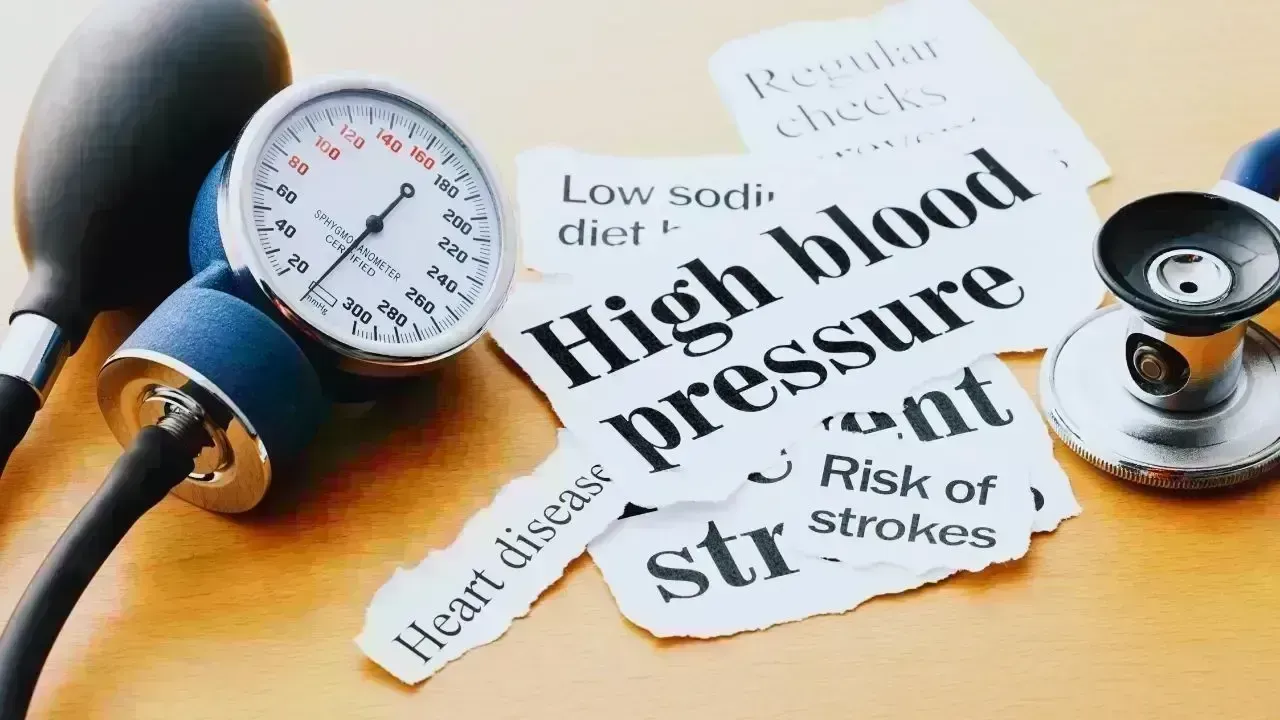
High blood pressure is one of the world’s most misunderstood health problems. Most people imagine illness coming with pain, discomfort, or dramatic symptoms. Hypertension does none of that. It develops quietly, often without any physical warning, while placing dangerous pressure on the heart, kidneys, brain and blood vessels every day.
Many people feel perfectly healthy while damage slowly builds inside. By the time headaches, chest discomfort, or fatigue appear, blood pressure may already have been elevated for years. Doctors have long struggled with this silent nature of hypertension. It is not fear that delays diagnosis — it is false comfort.
Routine blood pressure checks remain essential, but they show only what is happening at that moment. They rarely show what might be coming.
A blood pressure reading taken at a clinic reflects a single moment under specific conditions. Stress, movement, anxiety and even conversation can alter results. A patient may show normal numbers during a calm appointment and dangerously high levels at home or work.
This creates a dangerous illusion. Normal readings become reassurance. Reassurance becomes delay.
Some people also suffer from “masked hypertension,” a condition where blood pressure appears normal in hospitals but rises significantly in daily life. Others experience “white coat hypertension,” where medical environments temporarily raise pressure even if daily values are healthy.
Standard tests cannot always reveal these patterns.
They measure numbers.
Not structure.
The emerging scan being talked about does not just check pressure. It looks at the condition of blood vessels themselves.
Instead of asking how hard blood is pushing, the scan observes where damage is already forming. It can reveal early thickening of arterial walls, changes in elasticity and blood flow behaviour long before symptoms appear.
These structural changes are often the first signs of long-term hypertension.
Even if readings seem normal today, narrowed or hardened arteries suggest long-term strain.
The scan does not replace blood pressure measurement.
It completes it.
Blood pressure fluctuates daily.
But damaged arteries do not heal overnight.
Once a vessel stiffens, circulation worsens. The heart pushes harder. Pressure rises further. A cycle begins. The earlier that cycle starts, the longer the body remains at risk.
If thickening and tightness are caught early, doctors can intervene before serious outcomes follow.
Early detection means:
Fewer strokes
Fewer heart attacks
Less kidney damage
Lower medication dosages
Better long-term outcomes
Numbers may change.
Damage does not go unnoticed.
The human body is remarkably good at hiding illness.
Arteries adapt.
The heart compensates.
Organs adjust.
Hypertension becomes dangerous precisely because it rarely causes immediate discomfort. Pain typically appears only when something fails — a vessel breaks, a heart weakens, a kidney suffers damage.
Until then, life goes on.
People work.
People exercise.
People travel.
All while the disease progresses invisibly.
This scan is especially promising for individuals whose risk is high but symptoms are absent.
Those with family history of heart disease or stroke
People who are overweight or inactive
Smokers and ex-smokers
Those with sleep disorders
People under chronic stress
Adults above forty
Individuals with borderline readings
For these groups, waiting for symptoms is not safety.
It is gambling.
Healthcare is undergoing a quiet transformation.
Instead of reacting to disease, medicine is beginning to map risk.
Instead of waiting, it is watching.
This scan represents a shift from crisis-based care to early-stage awareness.
Finding damage early does not mean someone is sick.
It means someone is protected sooner.
In the future, health check-ups may include:
Blood pressure numbers
Cholesterol readings
Body composition
Vascular imaging
Heart rhythm analysis
Doctors would then see a full picture, not isolated dots.
Patients would stop guessing.
And start knowing.
Technology often advances faster than medical adoption.
Many clinics do not yet have access to new scanning tools. Others wait for guidelines, peer review and cost evaluation before changing protocols.
Healthcare must balance innovation with safety.
No tool enters mainstream medicine overnight.
But progress always starts this way — quietly.
Discovering silent damage is uncomfortable.
People prefer to feel sick than to feel at risk.
Risk demands responsibility.
Responsibility demands change.
Early diagnosis often forces lifestyle decisions that many would rather delay.
But knowledge empowers.
Without it, the body pays silently.
People comply more when they see proof.
A number can be ignored.
An image cannot.
When patients see artery narrowing or poor circulation, motivation changes instantly. Exercise becomes urgent. Diet becomes intentional. Sleep improves. Medication is taken responsibly.
Seeing is believing.
Literally.
If such scans become accessible widely, early intervention could lower heart-related deaths globally. Hypertension accounts for millions of preventable deaths each year. Detecting vascular damage before catastrophe would redefine prevention.
Hospitals would treat fewer emergencies.
Families would face fewer losses.
Communities would remain healthier longer.
Will it be affordable?
Will it reach remote areas?
Will insurance systems adapt?
Will it widen health inequality or reduce it?
Every innovation carries responsibility.
Progress that serves only cities is incomplete.
High blood pressure does not announce itself.
It works in silence.
The idea that a ten-minute scan could reveal years of invisible damage is one of the most hopeful developments in modern preventive care.
Medicine is finally learning to listen to whispers instead of waiting for screams.
And when healthcare listens early…
Lives last longer.
DISCLAIMER
This article is for general informational purposes only and does not constitute medical advice or diagnosis. Readers should consult qualified healthcare professionals before undergoing diagnostic tests or making health decisions based on emerging medical technologies.







Anticipated Dates for UAE Eid Al Adha 2026 Unveiled by Astronomical Experts
Experts predict Eid Al Adha 2026 in the UAE to start on May 27, prompting early holiday planning amo

DAE Achieves Remarkable Growth in Q1 2026 With Record Revenue
Dubai Aerospace Enterprise announces impressive financial results for Q1 2026, reflecting a surge in

Price Increase for Sony PS5 in Southeast Asia Effective May 1
Sony announces a price increase for the PS5 across Southeast Asia starting May 1, 2026, impacting ga

Potential ‘Super El Niño’ in 2026: Understanding the Climate Risks
Could a Super El Niño emerge in 2026? Discover its implications and potential global climate impacts

Global Energy Crisis Intensifies: Markets React to Oil Supply Challenges
Markets are on edge as oil disruptions escalate, influencing prices and economic stability. Explore

Must-See Tourist Spots in London You Can't Overlook
Explore London's essential attractions, from royal landmarks to vibrant markets, ensuring an unforge




