
Post by : Shweta
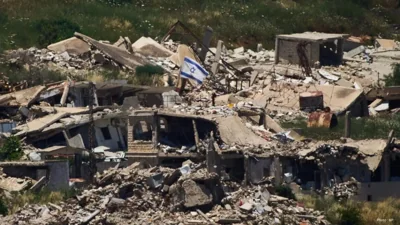
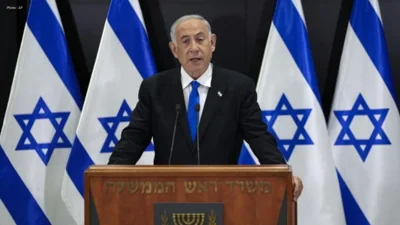
Efforts to negotiate a ceasefire between Israel and Hezbollah have encountered a significant hurdle as Hezbollah dismissed a U.S.-initiated proposal aimed at curbing hostilities along the Israel-Lebanon border. This rejection comes amidst declarations from the Israeli military, which plans to continue its operations, leading to worries about escalating instability in the region.
The ceasefire proposal was part of sustained diplomatic efforts spearheaded by the United States, designed to alleviate tensions and avert wider conflict between Israel and Hezbollah. International mediators have been striving to establish a framework that would mitigate cross-border conflict and pave the way for longer-term political negotiations.
However, Hezbollah expressed that it could not accept the terms as proposed, citing that the agreement did not adequately address critical issues nor provide necessary assurances regarding future security arrangements in southern Lebanon.
This rejection poses a substantial challenge to ongoing diplomatic endeavors that aim to avoid an escalation of the conflict. Tensions along the Israel-Lebanon border have been heightened for several months, with recurring exchanges of fire, military maneuvers, and security incidents raising fears of a broader regional clash.
In the wake of Hezbollah's stance, Israeli military representatives reaffirmed that military actions would persist in response to perceived security threats. Israeli officials have consistently maintained that their operations are targeted at protecting communities adjacent to the northern border and thwarting potential assaults from Lebanese territory.
The continuing conflict adds pressure to the diplomatic initiatives led by the U.S. and international allies. Negotiators are actively working to lay the groundwork necessary to reduce violence and foster an environment conducive to political dialogue. However, significant discrepancies remain between negotiating parties.
Lebanese authorities have voiced concerns regarding the humanitarian and economic repercussions of ongoing military actions. The country has already been grappling with economic strife and political instability for years, making any prolonged conflict particularly challenging for its beleaguered communities.
The ceasefire proposal aimed to introduce mechanisms intended to diminish military activity near the border while enhancing security arrangements. Advocates of the plan argued that it could act as a vital initial step toward reestablishing stability and reducing the likelihood of a larger conflict. However, absent agreement from significant stakeholders, the proposal is unlikely to advance in its current format.
International observers have cautioned that ongoing hostilities could exacerbate regional tensions and hinder broader diplomatic efforts throughout the Middle East. Multiple nations have urged restraint and called on all involved parties to seek dialogue instead of military confrontation.
The United States continues to engage with regional partners to revive negotiations. American officials have underscored the necessity of preventing further violence and preserving regional stability. While the recent proposal has been dismissed, diplomatic engagements are expected to persist as mediators explore alternative routes toward de-escalation.
Security analysts point out that ceasefire discussions in the region are often intricate and may require multiple negotiation rounds before tangible outcomes can be realized. Discrepancies regarding security guarantees, border delineations, and political prerequisites frequently present substantial hurdles toward achieving enduring agreements.
Meanwhile, residents in impacted areas remain engulfed in uncertainty as military operations continue. Cross-border tensions have disrupted daily life for communities on both sides, with many closely monitoring developments while hoping for a diplomatic resolution.
This latest refusal underscores the fragile reality of efforts aimed at diminishing violence in the region. While international mediators remain involved, the prevailing gap between the differing positions continues to pose considerable challenges. Future negotiations will likely concentrate on addressing the concerns raised by both factions while seeking solutions that mitigate immediate security threats.
For the time being, the denial of the ceasefire proposal leaves military tensions unaddressed, and diplomatic endeavors are anticipated to continue, striving for a resolution that garners wider acceptance. The upcoming days may prove pivotal as both regional and international stakeholders work to prevent further escalation and foster renewed dialogue.
For all the latest significant updates and in-depth coverage, stay connected with us.






Achieve Radiant Skin with This Simple Rice Flour Treatment
Transform your skincare routine! Discover how a rice flour mix can restore your skin's glow without

Meta Unveils Subscription Plans for Instagram, Facebook, and WhatsApp
Meta introduces new subscription plans for users of Instagram, Facebook, and WhatsApp, featuring enh

Suvarna Joy on Education Leadership, Resilience, and Building Purpose Through Adversity in the UAE
Suvarna Joy shares her journey of education leadership, motherhood, faith, and resilience within the

Anticipated Dates for UAE Eid Al Adha 2026 Unveiled by Astronomical Experts
Experts predict Eid Al Adha 2026 in the UAE to start on May 27, prompting early holiday planning amo

DAE Achieves Remarkable Growth in Q1 2026 With Record Revenue
Dubai Aerospace Enterprise announces impressive financial results for Q1 2026, reflecting a surge in

Price Increase for Sony PS5 in Southeast Asia Effective May 1
Sony announces a price increase for the PS5 across Southeast Asia starting May 1, 2026, impacting ga




