Post by : Saif Nasser
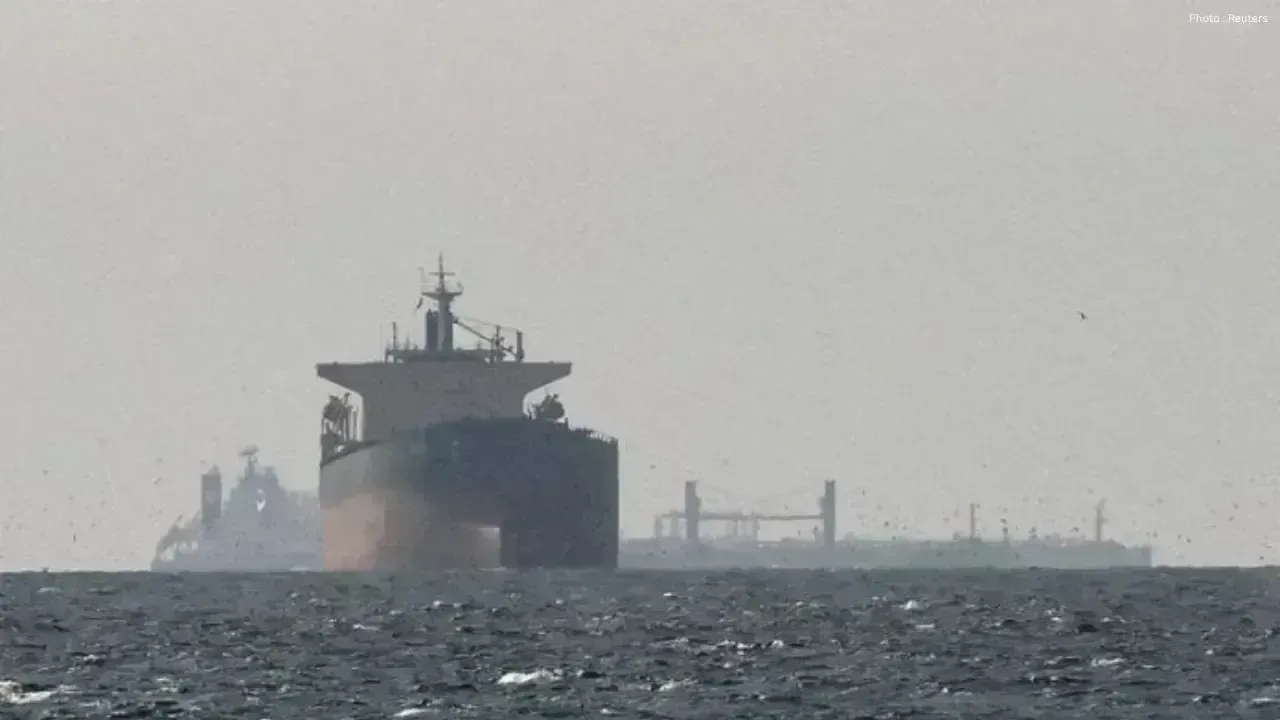
Fresh negotiations between United States and Iran have raised serious concerns among Gulf nations. Leaders in the region fear that these talks could strengthen Iran’s position over the Strait of Hormuz, one of the most important routes for global oil transport.
The Strait of Hormuz is a narrow sea passage through which a large share of the world’s oil supply moves every day. Because of this, any change in control or influence over the strait can directly affect oil prices and the global economy. Countries in the Gulf depend heavily on this route to export oil, making its security a top priority.
Officials from Gulf countries are worried that the current talks may focus mainly on nuclear issues while leaving out broader regional concerns. These include Iran’s military activities and its influence in nearby areas. If these issues are not addressed, experts believe Iran could continue to use the strait as a strategic tool during times of tension.
Recent events have increased these concerns. Reports of ships being stopped, warning shots fired, and disruptions in shipping traffic have created fear among traders and governments. Even small incidents in the Strait of Hormuz can cause large changes in oil supply and prices, showing how sensitive the situation is.
Trade and shipping data have also shown a drop in movement through the route during periods of tension. This has raised alarms about how quickly global supply chains can be affected. When oil flow is disrupted, it impacts fuel prices, transport costs, and even daily life in many countries.
Another major concern is that Gulf nations feel they are not fully included in the discussions. Since they are directly affected by any decision related to the strait, they believe their voices should be part of the process. Without their involvement, there is fear that the final agreement may not meet their security needs.
Experts also warn that easing economic sanctions on Iran too quickly could give it more power without solving deeper issues. A rushed agreement may reduce tensions in the short term but could create long-term risks if key concerns remain unresolved.
At the same time, the United States is trying to avoid further conflict and ensure stability in global energy markets. Diplomacy is seen as the best way to reduce risks and prevent escalation. However, balancing peace efforts with the concerns of regional allies remains a challenge.
For Iran, the Strait of Hormuz holds major strategic importance. Its location gives Iran influence over a key global trade route, which can be used during negotiations or conflicts. This makes the issue central to any discussion involving regional security.
The situation highlights the complex nature of global diplomacy. Decisions made between major powers can have wide effects, especially in sensitive regions like the Middle East. What may seem like progress in talks could also create new concerns for others.
In conclusion, the ongoing US-Iran talks have created both hope and worry. While they aim to reduce tensions, Gulf nations fear that the outcome could strengthen Iran’s control over a critical oil route. As discussions continue, the world will watch closely to see whether the result brings stability or adds to existing challenges.








Achieve Radiant Skin with This Simple Rice Flour Treatment
Transform your skincare routine! Discover how a rice flour mix can restore your skin's glow without

Meta Unveils Subscription Plans for Instagram, Facebook, and WhatsApp
Meta introduces new subscription plans for users of Instagram, Facebook, and WhatsApp, featuring enh

Suvarna Joy on Education Leadership, Resilience, and Building Purpose Through Adversity in the UAE
Suvarna Joy shares her journey of education leadership, motherhood, faith, and resilience within the

Anticipated Dates for UAE Eid Al Adha 2026 Unveiled by Astronomical Experts
Experts predict Eid Al Adha 2026 in the UAE to start on May 27, prompting early holiday planning amo

DAE Achieves Remarkable Growth in Q1 2026 With Record Revenue
Dubai Aerospace Enterprise announces impressive financial results for Q1 2026, reflecting a surge in

Price Increase for Sony PS5 in Southeast Asia Effective May 1
Sony announces a price increase for the PS5 across Southeast Asia starting May 1, 2026, impacting ga




