Post by : Vansh
The world is undergoing a profound transformation. As climate challenges grow more urgent, societies across the globe are beginning to rethink how they live, build, and interact with the environment. This shift is driven by a common realization: without environmental sustainability, civilization itself faces an uncertain future. But there’s hope. From eco-conscious cities to clean energy revolutions, the globe is turning green—and this momentum is not just a trend, but a fundamental evolution.
To “green the globe” is to integrate sustainable practices into every layer of human activity—from agriculture and architecture to transportation and technology. It’s a holistic movement aiming to reduce environmental harm while promoting systems that protect and regenerate the Earth’s resources.
At the center of this transformation is environmental sustainability—the practice of using natural resources responsibly, reducing waste, and ensuring that ecosystems can thrive for generations to come. This is not just an environmental issue; it’s a societal one. Sustainability now defines how we envision progress, design cities, develop economies, and even educate the next generation.
Modern civilization has always been shaped by cities—but today, cities are being reshaped by sustainability. Urban planners and architects are reimagining how we live in dense, populous environments by prioritizing green spaces, clean air, and energy efficiency. Vertical gardens, green roofs, and sustainable public transport systems are rapidly becoming city staples.
Smart cities, like those in Scandinavia and Southeast Asia, are using digital technologies to monitor air quality, control energy use, and optimize waste management in real-time. This results in reduced emissions, cleaner living conditions, and stronger resilience against climate-related disasters.
By designing cities around climate resilience, communities become better equipped to face the growing threats of rising temperatures, floods, and pollution.
A critical pillar of global sustainability is the transition to renewable energy. Fossil fuels have powered civilization for over a century, but they’ve also been the primary drivers of global warming and environmental degradation. Today, solar, wind, hydro, and geothermal power are offering cleaner alternatives that are not only sustainable but economically viable.
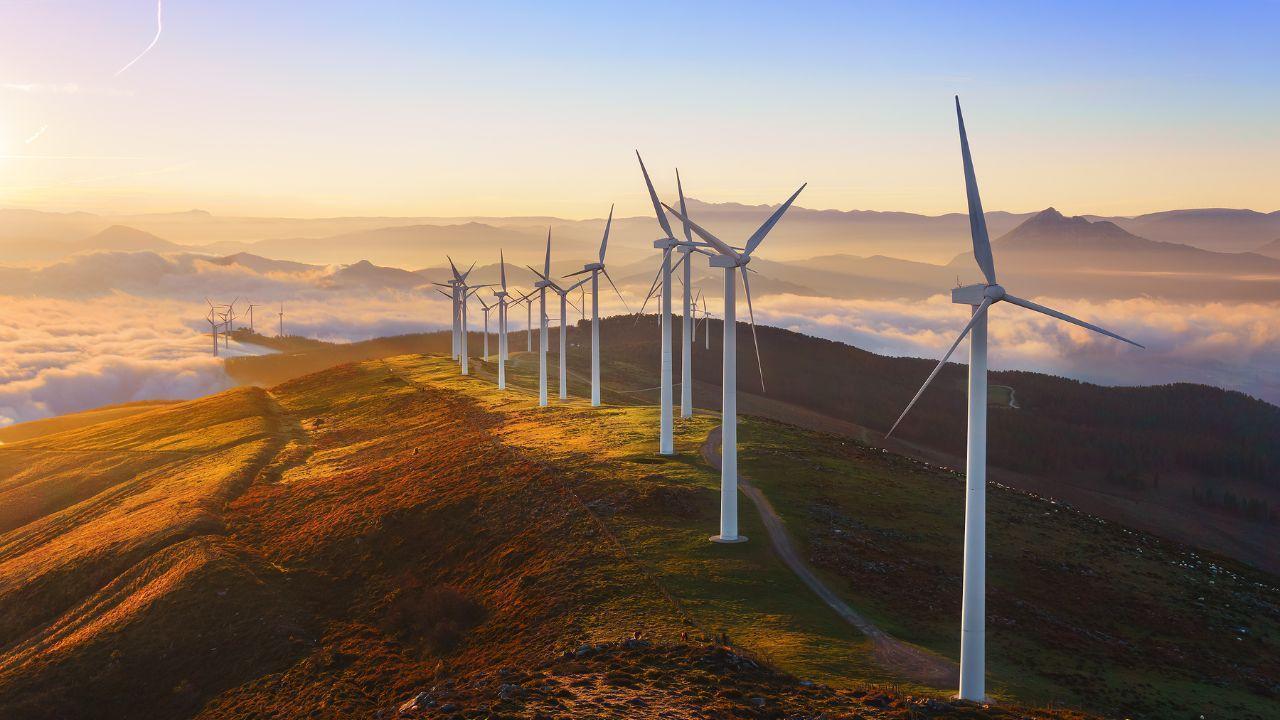
Countries like Germany, India, and the UAE are investing billions into clean energy infrastructures. Solar panels are becoming household staples, and wind farms are emerging on coastlines and plains worldwide. The cost of renewables is dropping, making clean energy more accessible to developing nations as well.
This shift doesn't just help the environment—it creates jobs, enhances energy security, and sparks innovation. In fact, renewable energy is now one of the fastest-growing sectors in the global economy.
The information provided in this article is intended for general knowledge and educational purposes only. Readers are encouraged to seek expert advice for specific environmental concerns or policy guidance. Published by MiddleEastBulletin news network.





Anticipated Dates for UAE Eid Al Adha 2026 Unveiled by Astronomical Experts
Experts predict Eid Al Adha 2026 in the UAE to start on May 27, prompting early holiday planning amo

DAE Achieves Remarkable Growth in Q1 2026 With Record Revenue
Dubai Aerospace Enterprise announces impressive financial results for Q1 2026, reflecting a surge in

Price Increase for Sony PS5 in Southeast Asia Effective May 1
Sony announces a price increase for the PS5 across Southeast Asia starting May 1, 2026, impacting ga

Potential ‘Super El Niño’ in 2026: Understanding the Climate Risks
Could a Super El Niño emerge in 2026? Discover its implications and potential global climate impacts

Global Energy Crisis Intensifies: Markets React to Oil Supply Challenges
Markets are on edge as oil disruptions escalate, influencing prices and economic stability. Explore

Must-See Tourist Spots in London You Can't Overlook
Explore London's essential attractions, from royal landmarks to vibrant markets, ensuring an unforge




