Post by : Vansh
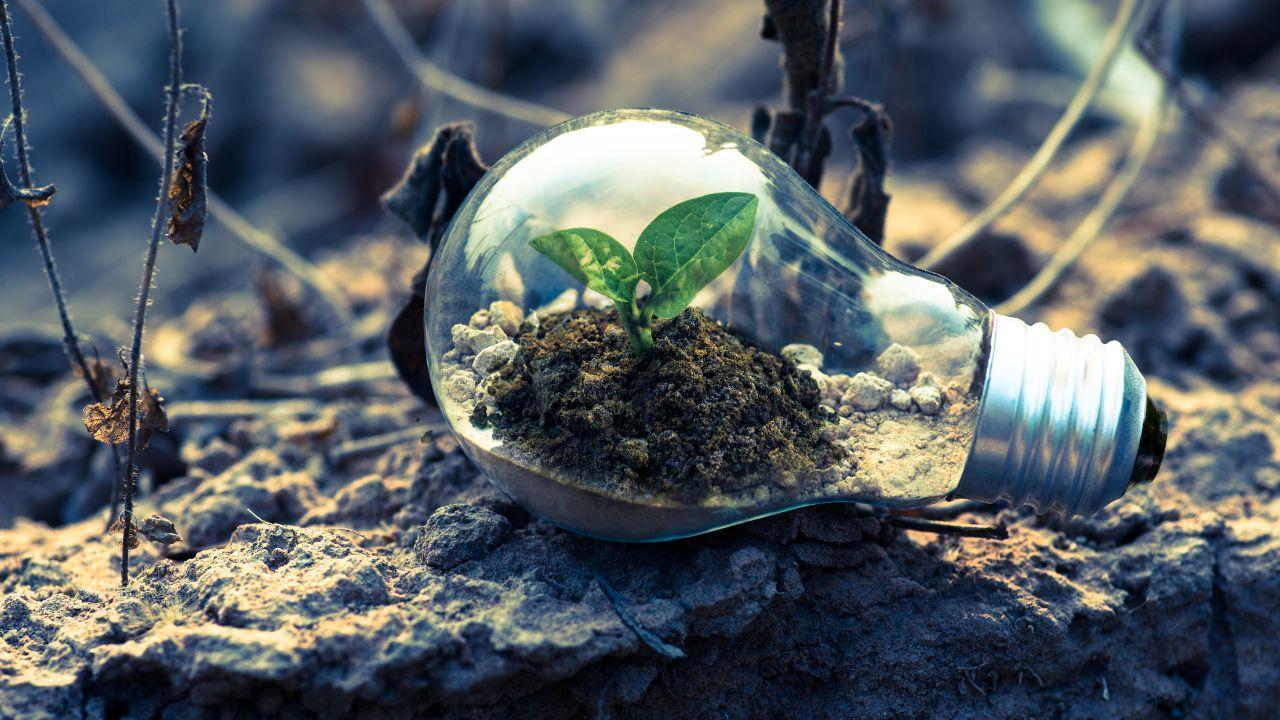
In the past, wealth was measured by the amount of gold, oil, or property a nation held. But today, as the world grapples with climate change, deforestation, and biodiversity loss, a new understanding is taking root: nature is our most valuable asset. From purifying our air to providing food, water, and raw materials, nature is the very foundation of human survival. The phrase "green is the new gold" is no longer just a slogan—it’s a reality that reflects our planet's true wealth.
For centuries, economic growth was prioritized above all else, often at the cost of environmental degradation. Forests were cleared for agriculture, rivers were polluted for industry, and fossil fuels were burned for convenience. However, this rapid progress came with a price—soaring carbon emissions, warming climates, and vanishing species.
Today, economists and ecologists alike agree: protecting natural capital—the world’s stock of natural resources—is essential for future prosperity. Clean water, fertile soil, and pollination services provided by bees may not appear on balance sheets, but they are more vital than ever before.
In fact, according to a 2021 report by the World Economic Forum, more than half of the global GDP (approximately $44 trillion) is moderately or highly dependent on nature and its services. That means damaging nature doesn’t just threaten the environment—it threatens the entire global economy.
Ecosystems provide a wide array of ecosystem services—the benefits that people obtain from nature. These include provisioning services like food and water; regulating services like climate control and disease regulation; supporting services like nutrient cycling; and cultural services such as recreation and spiritual well-being.
Forests, for instance, absorb massive amounts of carbon dioxide, acting as one of the most effective tools in combating global warming. Wetlands filter water, protect against floods, and store carbon in their rich soils. Oceans provide not only seafood but also oxygen, with phytoplankton producing up to 50% of the air we breathe.
Preserving these ecosystems is more than an environmental issue—it’s an economic and humanitarian one. When forests are lost or coral reefs are destroyed, the damage is not only ecological; it affects livelihoods, public health, and food security.
More companies are beginning to realize that green is the new gold. Businesses that ignore environmental risks may face supply chain disruptions, increased costs, and reputational damage. On the other hand, sustainable practices can lead to long-term savings and customer loyalty.
Investors are now tracking Environmental, Social, and Governance (ESG) scores to measure a company's commitment to ethical practices and sustainability. Green bonds and climate-focused investment portfolios are gaining popularity. This shift shows that the financial world is starting to value nature as an integral part of economic resilience.
Tech giants, retail chains, and even fast-food brands are incorporating sustainable development goals into their operations. Whether it’s switching to renewable energy, using recyclable packaging, or supporting reforestation, businesses are recognizing that their future is tied to the planet’s health.
The information presented in this article is intended for general knowledge and awareness. While efforts have been made to ensure accuracy, MiddleEastBulletin does not assume responsibility for any decisions made based on this content. Readers are advised to consult experts or official sources for specific environmental or policy-related guidance.







Anticipated Dates for UAE Eid Al Adha 2026 Unveiled by Astronomical Experts
Experts predict Eid Al Adha 2026 in the UAE to start on May 27, prompting early holiday planning amo

DAE Achieves Remarkable Growth in Q1 2026 With Record Revenue
Dubai Aerospace Enterprise announces impressive financial results for Q1 2026, reflecting a surge in

Price Increase for Sony PS5 in Southeast Asia Effective May 1
Sony announces a price increase for the PS5 across Southeast Asia starting May 1, 2026, impacting ga

Potential ‘Super El Niño’ in 2026: Understanding the Climate Risks
Could a Super El Niño emerge in 2026? Discover its implications and potential global climate impacts

Global Energy Crisis Intensifies: Markets React to Oil Supply Challenges
Markets are on edge as oil disruptions escalate, influencing prices and economic stability. Explore

Must-See Tourist Spots in London You Can't Overlook
Explore London's essential attractions, from royal landmarks to vibrant markets, ensuring an unforge




