Post by : Vansh
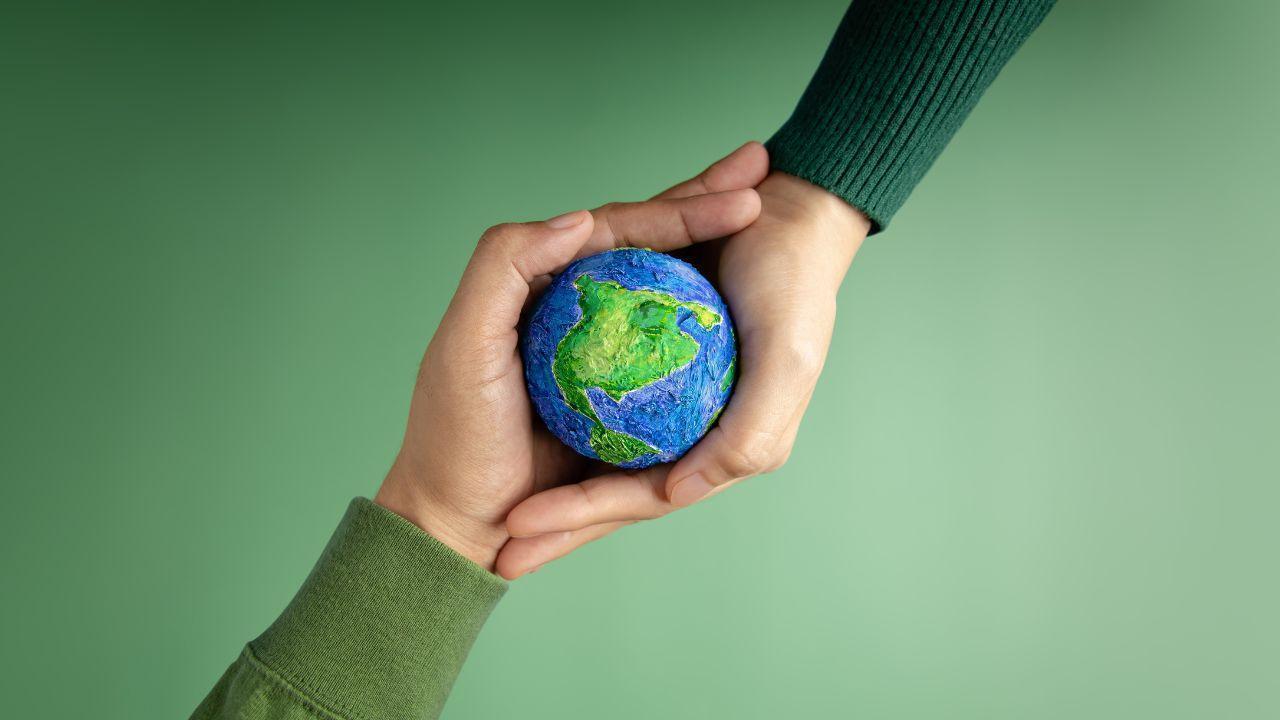
In an era of accelerating climate change and ecological imbalance, the concept of green horizons represents more than just an environmental dream—it symbolizes the tangible path to a cleaner, healthier, and more equitable world. From grassroots movements to governmental reforms and groundbreaking innovations, building a sustainable world from the ground up requires collective vision, bold leadership, and urgent action.
Green horizons refer to the forward-looking strategies and initiatives that aim to restore ecological balance, combat climate change, and ensure resource security for future generations. It is a mindset that prioritizes environmental health alongside economic development and social well-being. This vision is not abstract; it's rooted in practical, scalable solutions across energy, agriculture, architecture, industry, and education.
At the heart of green horizons lies the principle of sustainable development—meeting present needs without compromising the ability of future generations to meet theirs. This involves minimizing environmental degradation, promoting renewable resources, and ensuring equitable access to opportunities and resources.
Governments worldwide are embracing the United Nations’ Sustainable Development Goals (SDGs) to address critical challenges such as clean energy, responsible consumption, climate action, and biodiversity protection. These targets provide a global roadmap for building a sustainable world that respects both people and the planet.
Technological advancements are driving the transition to a greener world. From solar panels and wind turbines to electric vehicles and green hydrogen, eco-innovation is reshaping industries and redefining how we consume energy.
Innovative solutions such as smart grids, energy-efficient appliances, and carbon capture systems are helping reduce emissions and increase sustainability across sectors. Green architecture, powered by passive design and eco-materials, is transforming urban environments into energy-saving, climate-resilient spaces.
Startups and tech companies are also creating circular economy models—designing products that last longer, use fewer resources, and can be recycled or repurposed—contributing to the growth of a more sustainable world.
Our current food systems are resource-intensive and often harmful to the environment. To build green horizons, we must rethink how we grow, distribute, and consume food.
Sustainable agriculture—which includes organic farming, permaculture, agroforestry, and precision farming—reduces chemical use, conserves water, and boosts soil health. Urban farming and vertical gardens are helping cities become more self-sufficient and resilient to supply chain disruptions.
Reducing food waste, shifting toward plant-based diets, and supporting local food systems are essential steps individuals can take to reduce their environmental footprint and contribute to climate resilience.
While policies and technologies play crucial roles, community-led initiatives are equally vital in building a sustainable world. Across the globe, local communities are mobilizing to clean rivers, plant trees, restore wetlands, and promote zero-waste lifestyles.
Movements like Fridays for Future, Earth Day campaigns, and indigenous-led conservation efforts show how grassroots action can influence national policies and global climate negotiations. Education, awareness, and civic engagement are tools that empower individuals to push for systemic change and safeguard their environments.
When citizens are involved, green horizons become not just a dream but a shared responsibility.
This article is intended for informational and educational purposes only. The content reflects current environmental strategies, sustainability trends, and public initiatives that may evolve over time. Readers are encouraged to consult official sources and experts for deeper insights. This content is published by MiddleEastBulletin and does not constitute professional environmental advice or policy direction.









Anticipated Dates for UAE Eid Al Adha 2026 Unveiled by Astronomical Experts
Experts predict Eid Al Adha 2026 in the UAE to start on May 27, prompting early holiday planning amo

DAE Achieves Remarkable Growth in Q1 2026 With Record Revenue
Dubai Aerospace Enterprise announces impressive financial results for Q1 2026, reflecting a surge in

Price Increase for Sony PS5 in Southeast Asia Effective May 1
Sony announces a price increase for the PS5 across Southeast Asia starting May 1, 2026, impacting ga

Potential ‘Super El Niño’ in 2026: Understanding the Climate Risks
Could a Super El Niño emerge in 2026? Discover its implications and potential global climate impacts

Global Energy Crisis Intensifies: Markets React to Oil Supply Challenges
Markets are on edge as oil disruptions escalate, influencing prices and economic stability. Explore

Must-See Tourist Spots in London You Can't Overlook
Explore London's essential attractions, from royal landmarks to vibrant markets, ensuring an unforge




