Post by : Saif Nasser
A growing crisis in the Middle East has pushed global powers to act quickly as they try to reopen one of the world’s most important shipping routes. Military planners from many countries have gathered in London to find a way to restore safe movement through the Strait of Hormuz. This narrow waterway is a lifeline for global energy supply, and any disruption here has serious effects across the world.
The situation has become tense after rising conflict in the region, especially involving Iran and Western powers. As tensions increased, shipping traffic through the strait slowed down sharply. In recent days, only a small number of ships have been able to pass safely. This has created fear in global markets, as the strait carries a large share of the world’s oil exports.
When oil supply is disrupted, the effects are felt quickly. Fuel prices can rise, transport costs increase, and everyday goods become more expensive. Countries that depend heavily on imported oil face even greater challenges. For many people, this means higher living costs and economic uncertainty.
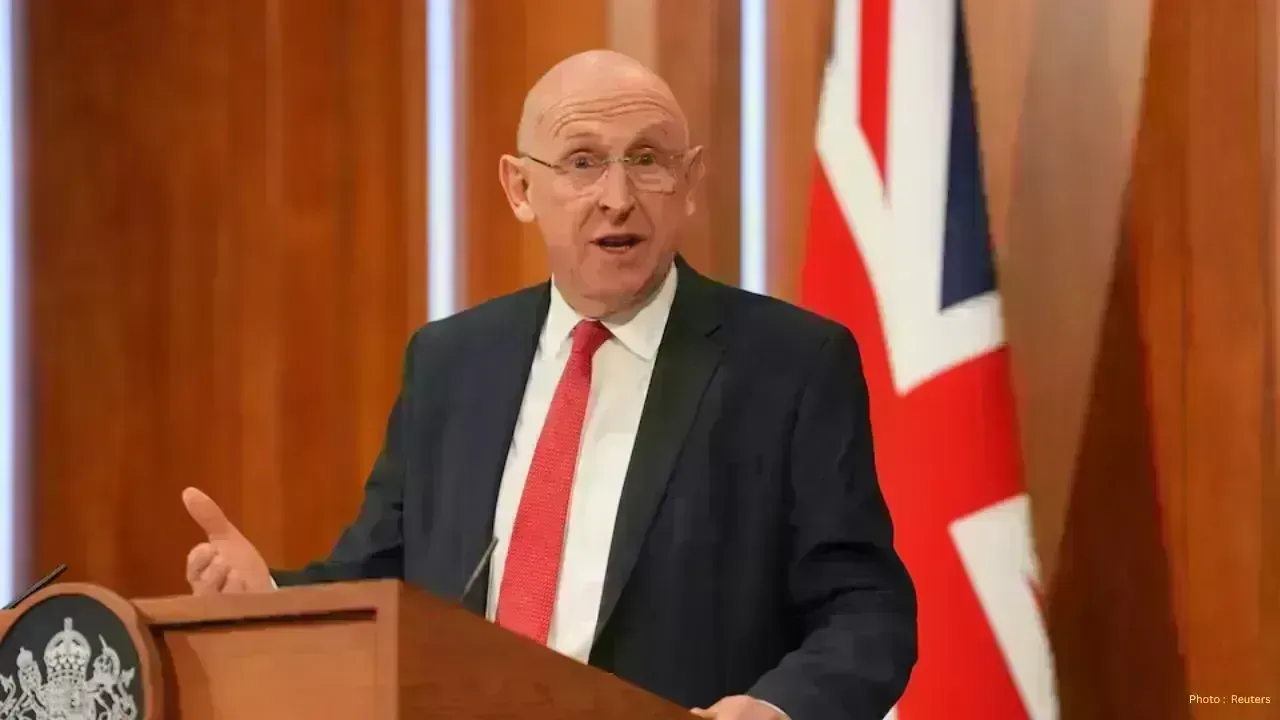
The meeting in London shows that the issue is not just regional but global. More than 30 countries are taking part in discussions. Their aim is to create a clear and practical plan to reopen the route safely. This includes ideas such as protecting ships, managing risks, and ensuring that any military presence does not lead to further conflict.
These talks are not happening in isolation. They follow earlier diplomatic efforts where countries tried to show unity and support for keeping the waterway open. Now, the focus has shifted from general support to detailed planning. This change shows that the crisis has reached a level where action is urgently needed.
However, reopening the strait is not a simple task. One major challenge is the lack of trust between the countries involved. Tensions remain high, and even a small mistake could lead to a larger conflict. Military forces must act carefully to avoid misunderstandings. At the same time, political leaders must continue working toward peace.
Another important factor is the role of different global powers. Some countries are taking a strong and direct approach, while others are focusing on defensive measures to protect shipping. This difference in strategy can make coordination more difficult. For any plan to succeed, countries will need to work together and avoid acting in ways that could increase tension.
The human side of the crisis is often overlooked. Many sailors are currently stuck on ships, waiting for safe passage. Their safety is uncertain, and their families are worried. At the same time, workers in industries connected to shipping and trade are facing disruptions that affect their livelihoods.
The economic impact is also growing. Oil-exporting countries are losing revenue, while oil-importing nations are paying higher prices. This imbalance can create pressure on governments and lead to wider economic problems. In a connected world, a crisis in one region can quickly spread to others.
The planned mission to reopen the strait is expected to focus on safety rather than conflict. Its main goal is to ensure that ships can move without fear. This may involve monitoring the area, clearing potential threats, and guiding vessels through secure routes. But even a defensive mission carries risks in such a sensitive region.
This crisis also raises long-term questions. The world depends heavily on a few key routes for trade and energy. When one of these routes is blocked, the impact is immediate and widespread. This may push countries to look for alternative routes or invest more in different energy sources to reduce dependence.
The discussions in London are an important step, but they are only part of the solution. Real progress will depend on whether peace can be maintained and whether countries can act with caution and cooperation. Without these, even the best plans may fail.
The Strait of Hormuz remains a symbol of both opportunity and risk. It connects major economies but also sits at the center of geopolitical tension. As global leaders work to reopen it, the world is watching closely. The outcome will shape not only the future of the region but also the stability of the global economy.


The Impact of Consistent Small Investments on Wealth Building
Discover how investing small amounts regularly can positively transform your financial future over t

7.5 Magnitude Earthquake Strikes Japan, Tsunami Alerts Issued
Japan experiences a hefty 7.5 quake, prompting tsunami alerts and safety measures. Stay updated on a
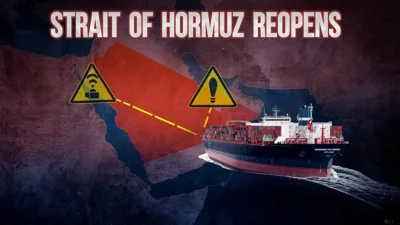
Reopening of the Strait of Hormuz: New Regulations to Impact Global Trade
Iran reopens the strategic Strait of Hormuz with new regulations affecting oil transport and global

Top 10 Must-See Attractions in NYC for First-Time Explorers
Discover essential experiences for first-time visitors to NYC, including attractions, culture, and i

Starbucks Engages Boyu Capital for Major Chinese Expansion
Starbucks teams up with Boyu Capital, selling a majority stake to boost growth and adapt to the Chin

Three Individuals Charged in Massive Meth Trafficking Case in Malaysia
In Malaysia, a married couple and another suspect are charged with trafficking 510kg of meth, facing