Post by : Saif Nasser
Germany’s exporters are entering 2026 with growing concern as demand from their two biggest markets—the United States and China—continues to weaken. Industry leaders say there is little hope of a quick recovery, and businesses must prepare for a long and difficult period.
The warning comes from Germany’s BGA trade association, which represents wholesalers and exporters. Its president, Dirk Jandura, said exporters should not expect a turnaround soon. At best, he said, there may be only a short pause in the decline.
Figures show how serious the situation has become. German exports to the United States are expected to have fallen by more than 7% in 2025, reaching just under 150 billion euros. Exports to China have dropped even more sharply, falling by about 10% to 81 billion euros. These two countries are Germany’s most important overseas markets, so weakness in both at the same time is a major blow.
One key problem in trade with the United States is tariffs. According to the BGA, U.S. tariffs on European goods are making trade slower and more costly. These extra charges reduce profit margins for German companies and make their products less competitive. Exporters say this pressure is not temporary and has become a lasting burden.
Germany is also dealing with problems at home. A strong euro makes German goods more expensive abroad. High energy prices raise production costs, while complex rules and heavy paperwork slow down business decisions. At the same time, weak investment is holding back growth and innovation.
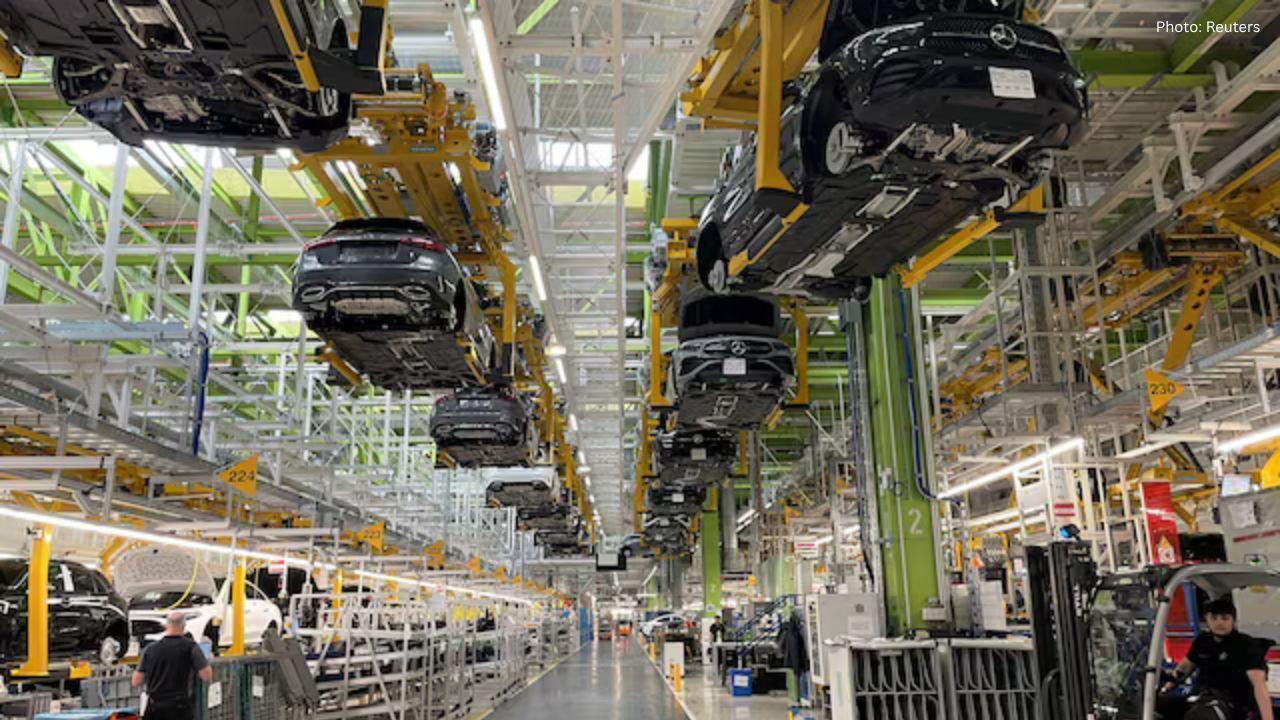
In China, the challenges are different but just as serious. The Chinese government is supporting local industries, which has reduced demand for foreign products. German companies have been hit hard in key sectors such as cars, machinery, and chemicals. Chinese firms are improving fast and taking market share from foreign brands.
Because of this, many German companies are changing their strategy. Some are moving more production inside China to stay close to customers. Others are shifting investment to different Asian countries to reduce risk and find new growth opportunities.
Together, these trends show that German exporters are facing a major shift in the global economy. The easy growth of the past is gone, replaced by tougher competition and political barriers. For Germany, a country that depends heavily on exports, the challenge now is to adapt quickly, control costs, and find new markets.
The year ahead will test the strength and flexibility of German businesses. Without changes in trade conditions or strong policy support at home, the export slowdown may last longer than many hope.










Price Increase for Sony PS5 in Southeast Asia Effective May 1
Sony announces a price increase for the PS5 across Southeast Asia starting May 1, 2026, impacting ga

Potential ‘Super El Niño’ in 2026: Understanding the Climate Risks
Could a Super El Niño emerge in 2026? Discover its implications and potential global climate impacts

Global Energy Crisis Intensifies: Markets React to Oil Supply Challenges
Markets are on edge as oil disruptions escalate, influencing prices and economic stability. Explore

Must-See Tourist Spots in London You Can't Overlook
Explore London's essential attractions, from royal landmarks to vibrant markets, ensuring an unforge

Ultimate Guide to Snagging Cheap Flights in 2026
Unlock the secrets to booking affordable flights in 2026 with insightful tips and strategies tailore

The Impact of Consistent Small Investments on Wealth Building
Discover how investing small amounts regularly can positively transform your financial future over t




