Post by : Saif Nasser
Families across Gaza Strip are preparing to observe Eid under extremely difficult conditions as ongoing conflict continues to affect daily life, public services, and humanitarian conditions in the territory. Many residents are facing displacement, shortages of food and medicine, and deep uncertainty about the future.
Eid is traditionally a time of celebration, family gatherings, prayers, and community support for Muslims around the world. However, for many people in Gaza, this year’s preparations are taking place amid damaged homes, overcrowded shelters, and continuing security concerns.
The conflict involving Israel and Palestinian armed groups has created a severe humanitarian situation over many months. Thousands of families have been displaced from their homes, while schools, hospitals, and public infrastructure have suffered heavy damage.
Residents in several parts of Gaza continue struggling with limited electricity, restricted access to clean water, and shortages of essential supplies. Aid organizations have repeatedly warned that humanitarian conditions remain critical, especially for children, elderly citizens, and displaced families.
Many parents are finding it difficult to provide basic Eid traditions for their children. New clothes, festive meals, and gifts that are normally associated with the holiday have become financially impossible for numerous households because of economic hardship and supply shortages.
Humanitarian workers say emotional pressure on civilians has also increased significantly. Children growing up during conflict often face fear, trauma, and uncertainty that can affect mental health and education for years.
International organizations continue calling for greater humanitarian access and stronger efforts to protect civilians. Aid agencies have stressed the importance of delivering food, medical assistance, and shelter support to communities affected by the fighting.
Religious leaders across the region have also appealed for peace, compassion, and support for civilians during the Eid period. Many community groups are organizing charity efforts aimed at helping displaced families and vulnerable children.
The economic impact of the conflict has further worsened living conditions in Gaza. Businesses have closed, unemployment remains high, and many families now depend heavily on humanitarian assistance for survival.
Healthcare services are also facing major pressure. Hospitals and medical workers continue operating under difficult conditions while treating injured civilians and managing shortages of medicine and equipment.
Political analysts believe the humanitarian crisis has become one of the most urgent international concerns linked to the conflict. Governments and global organizations continue discussing ceasefire efforts, aid delivery, and long-term political solutions.
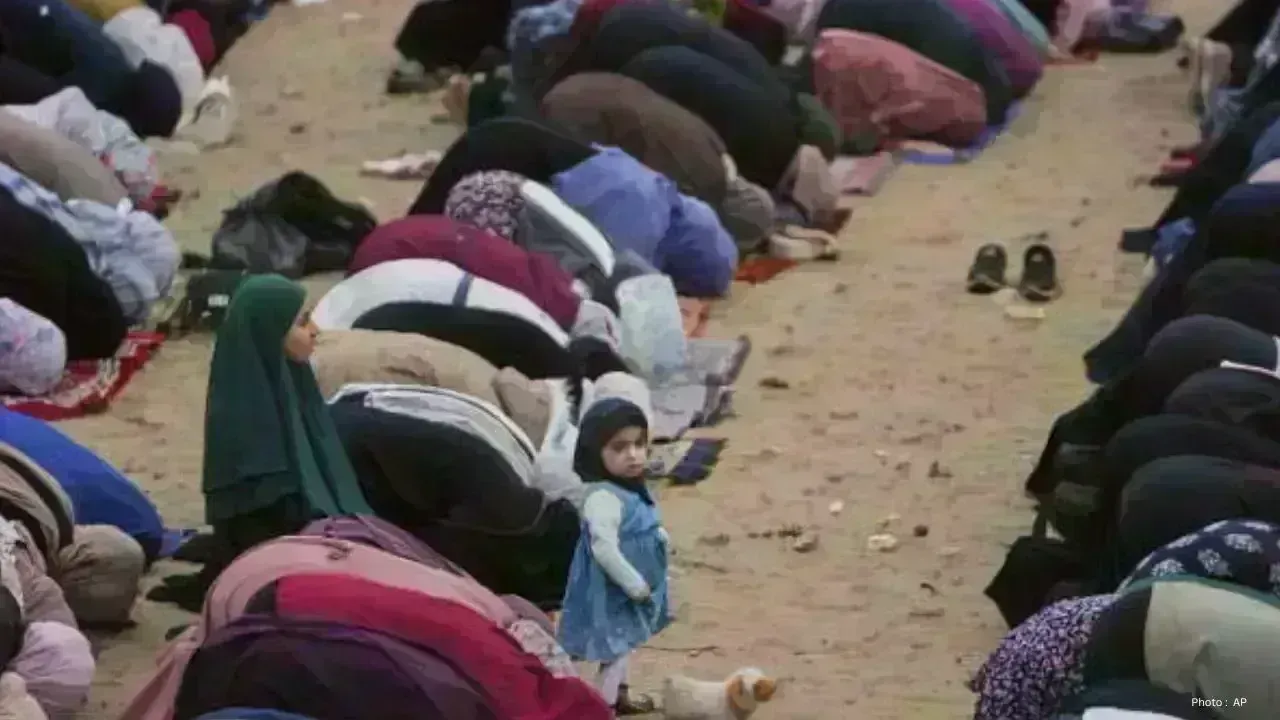
Despite the hardship, many Gaza residents are still trying to observe Eid prayers and maintain family traditions in whatever way possible. Community solidarity and religious faith remain important sources of emotional support for many people facing daily uncertainty.
Experts warn that prolonged conflict could create lasting social and economic damage for future generations. Children affected by war often face interrupted education, psychological stress, and reduced opportunities later in life.
International attention remains focused on efforts to increase humanitarian aid and reduce violence. Several countries and organizations continue urging all sides to avoid further escalation and prioritize civilian protection.
The situation has also increased debate about the wider impact of long-running conflict in the region. Political instability and repeated violence continue affecting ordinary civilians far more than military or political leaders.
Aid agencies say immediate humanitarian support remains essential, especially during important religious occasions such as Eid when families traditionally come together in celebration and reflection.
Public reaction around the world has included calls for peace, humanitarian relief, and diplomatic engagement aimed at reducing civilian suffering. Social organizations and charities in different countries are also increasing fundraising campaigns to support affected communities.
The difficult Eid conditions in Gaza reflect the larger humanitarian challenges created by prolonged conflict and political instability. Civilians continue carrying the heaviest burden as uncertainty, displacement, and economic hardship affect daily life across the territory.
As families gather under challenging circumstances, many residents continue hoping for peace, stability, and a future where religious celebrations can once again take place without fear, destruction, or humanitarian crisis.


Meta Unveils Subscription Plans for Instagram, Facebook, and WhatsApp
Meta introduces new subscription plans for users of Instagram, Facebook, and WhatsApp, featuring enh
Suvarna Joy on Education Leadership, Resilience, and Building Purpose Through Adversity in the UAE
Suvarna Joy shares her journey of education leadership, motherhood, faith, and resilience within the

Anticipated Dates for UAE Eid Al Adha 2026 Unveiled by Astronomical Experts
Experts predict Eid Al Adha 2026 in the UAE to start on May 27, prompting early holiday planning amo

DAE Achieves Remarkable Growth in Q1 2026 With Record Revenue
Dubai Aerospace Enterprise announces impressive financial results for Q1 2026, reflecting a surge in

Price Increase for Sony PS5 in Southeast Asia Effective May 1
Sony announces a price increase for the PS5 across Southeast Asia starting May 1, 2026, impacting ga

Potential ‘Super El Niño’ in 2026: Understanding the Climate Risks
Could a Super El Niño emerge in 2026? Discover its implications and potential global climate impacts




