Post by : Vansh
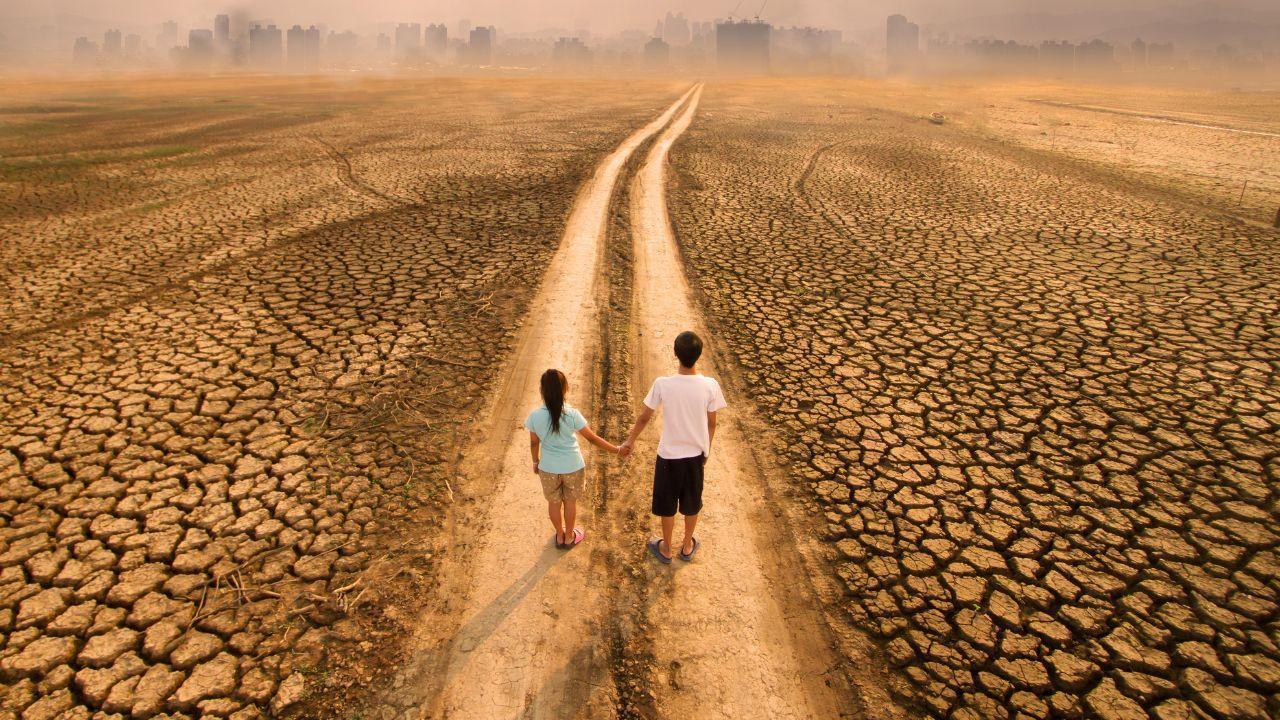
The world is experiencing an unprecedented surge in extreme weather events, oscillating between severe droughts and catastrophic floods. These extremes are not isolated incidents—they are increasingly recognized as direct consequences of climate change. As global temperatures rise and weather patterns shift, communities, ecosystems, and economies face profound challenges. Understanding the spectrum of these extreme realities is essential to building resilience and ensuring a sustainable future.
Droughts are among the most devastating consequences of climate change. Rising temperatures, reduced rainfall, and prolonged dry spells threaten water supplies, agriculture, and energy production. In regions dependent on rain-fed farming, crop failures are increasingly common, causing food insecurity and economic stress. Livestock and wildlife are also affected, with water shortages threatening survival and disrupting ecosystems. Moreover, prolonged droughts exacerbate soil degradation, desertification, and wildfire risks, highlighting the cascading effects of climate-related water scarcity.
On the opposite end of the spectrum, climate change contributes to more frequent and intense flooding events. Heavy rainfall, snowmelt, and storm surges overwhelm rivers, drainage systems, and urban infrastructure. Coastal cities and low-lying regions are particularly vulnerable to rising sea levels, while inland areas face flash floods that disrupt communities, damage homes, and displace populations. Beyond immediate destruction, floods have long-term impacts on public health, sanitation, and agriculture, further highlighting the complex interplay between climate variability and human vulnerability.
The extreme realities of climate change extend beyond environmental damage to affect human health and well-being. Droughts lead to malnutrition and water-borne diseases, while floods increase the risk of infectious outbreaks and injuries. Vulnerable populations, including children, the elderly, and low-income communities, bear the brunt of these impacts. Displacement due to flooding or failing crops can result in social tensions and economic hardship, underscoring the need for comprehensive disaster preparedness and social support systems to protect communities.
Both droughts and floods have profound economic implications. Agriculture is particularly sensitive to extreme weather, with crop failures, reduced yields, and livestock losses threatening food security and livelihoods. Infrastructure damage from floods or water scarcity crises demands costly repairs, straining national and local budgets. Insurance claims rise, energy production can be disrupted, and supply chains are affected, creating cascading economic consequences. Investing in resilient infrastructure, climate-smart agriculture, and sustainable water management is essential to mitigating these impacts.
The extremes of drought and deluge disrupt ecosystems, threatening biodiversity and ecological balance. Forests, wetlands, and freshwater habitats are particularly vulnerable to shifts in water availability. Droughts reduce habitat quality, while floods can destroy nesting grounds and alter nutrient cycles. These disruptions not only threaten wildlife but also compromise ecosystem services that humans rely upon, such as water purification, pollination, and carbon sequestration. Protecting and restoring ecosystems is therefore a critical component of adapting to climate change.
The content of this article is intended for informational and educational purposes only. Readers are encouraged to consult experts or relevant authorities for guidance on climate-related decisions. Published by MiddleEastBulletin news network.






Anticipated Dates for UAE Eid Al Adha 2026 Unveiled by Astronomical Experts
Experts predict Eid Al Adha 2026 in the UAE to start on May 27, prompting early holiday planning amo

DAE Achieves Remarkable Growth in Q1 2026 With Record Revenue
Dubai Aerospace Enterprise announces impressive financial results for Q1 2026, reflecting a surge in

Price Increase for Sony PS5 in Southeast Asia Effective May 1
Sony announces a price increase for the PS5 across Southeast Asia starting May 1, 2026, impacting ga

Potential ‘Super El Niño’ in 2026: Understanding the Climate Risks
Could a Super El Niño emerge in 2026? Discover its implications and potential global climate impacts

Global Energy Crisis Intensifies: Markets React to Oil Supply Challenges
Markets are on edge as oil disruptions escalate, influencing prices and economic stability. Explore

Must-See Tourist Spots in London You Can't Overlook
Explore London's essential attractions, from royal landmarks to vibrant markets, ensuring an unforge




