Post by : Saif Nasser
Greenland has suddenly become a major focus of global politics after European troops began arriving on the Arctic island in support of Denmark. The move comes at a time when talks between Denmark, Greenland, and the United States have exposed a serious disagreement over the island’s future. At the center of the dispute is U.S. President Donald Trump’s renewed claim that Greenland should come under American control.
Greenland is a self-governing territory that remains part of the Kingdom of Denmark. While Denmark manages defense and foreign affairs, Greenland runs its own local government. Despite its small population, the island is strategically important because of its location in the Arctic and its vast natural resources. As climate change melts ice in the region, new sea routes and access to minerals have increased global interest in the island.
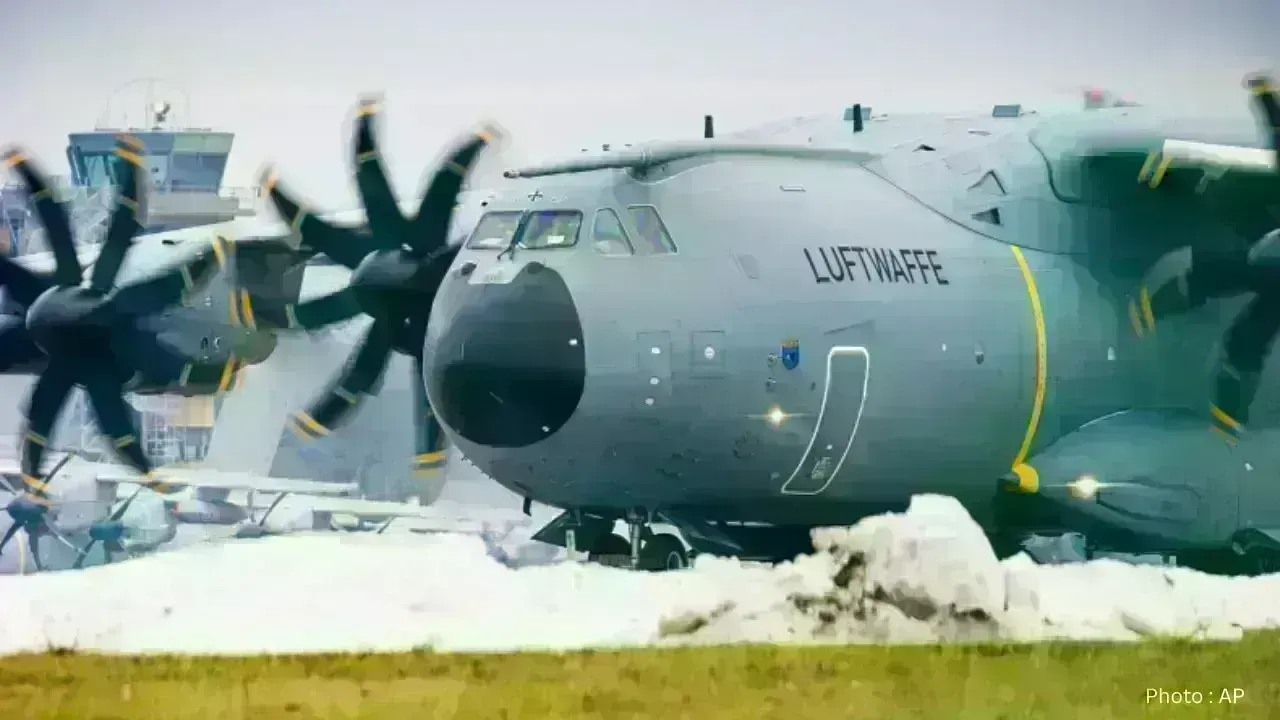
Denmark announced it would strengthen its military presence in Greenland just before high-level meetings with U.S. officials in Washington. Soon after, several European NATO allies, including France, Germany, the United Kingdom, Norway, Sweden, and the Netherlands, sent small numbers of troops or pledged to do so. Although these deployments are limited, they are meant to show European unity and to make clear that Greenland’s security can be protected through NATO cooperation without changing its political status.
European leaders say the troop presence is meant to improve stability in the Arctic as interest from Russia and China grows. French officials confirmed that a group of soldiers had already arrived in Greenland for military exercises, while Germany announced it was sending a small reconnaissance team. Denmark has also said it plans to create a more lasting military presence, with NATO troops rotating through the island over time.
While European countries emphasized cooperation, the United States used language that alarmed Danish and Greenlandic officials. The White House described future discussions as talks about an “acquisition agreement,” suggesting the U.S. still sees Greenland as something it could obtain. Denmark strongly rejected this idea. Danish Foreign Minister Lars Løkke Rasmussen said the talks were meant to address security concerns and improve cooperation, not to discuss ownership.
Rasmussen openly stated that a “fundamental disagreement” remains with President Trump. He said the U.S. leader continues to express a desire to take control of Greenland, a position Denmark cannot accept. According to Danish officials, Greenland’s future must be decided by Greenlanders themselves, not by outside pressure.
Greenland’s leaders have spoken even more directly. Prime Minister Jens-Frederik Nielsen said Greenland does not want to be sold, ruled, or owned by the United States. His statement reflected strong public feeling on the island, where many fear that foreign control would threaten their autonomy, culture, and way of life.
In Nuuk, the capital of Greenland, residents shared mixed reactions. Some felt relief that talks are continuing and that European allies are showing visible support. Others said the meetings left them uneasy, as no clear solution has emerged. Many locals believe the dispute is not only about security but also about Greenland’s untouched oil, gas, and mineral resources.
Several residents said the arrival of European troops made them feel safer. They do not expect a military clash with the United States, but they see the European presence as protection against political pressure. For them, the support from Nordic and European countries sends a clear message that Greenland is not standing alone.
NATO officials have described the military movements as normal alliance cooperation. Denmark has informed NATO about its exercises in Greenland, and alliance leaders agree that the Arctic is vital for transatlantic security. They say strengthening defenses in the region is necessary in an uncertain world.
Russia has criticized these actions sharply. The Russian embassy accused Western countries of creating artificial threats and pushing an aggressive agenda in the Arctic. Moscow insists the region should remain peaceful and cooperative, not a stage for military rivalry. This response shows how Greenland has become part of a wider global competition for influence in the Arctic.
The situation surrounding Greenland goes far beyond one territory. It is a test of sovereignty, diplomacy, and alliance unity. Denmark and Greenland are standing firm, European allies are showing support, and the United States is pressing a claim that has unsettled even close partners.
As talks continue and troops rotate through the island, Greenland’s future remains uncertain. What is clear is that Greenland’s voice is growing stronger. No longer seen as a distant Arctic land, it has become a powerful symbol of how security, resources, and global power are shaping international relations in the modern world.





The Impact of Consistent Small Investments on Wealth Building
Discover how investing small amounts regularly can positively transform your financial future over t

7.5 Magnitude Earthquake Strikes Japan, Tsunami Alerts Issued
Japan experiences a hefty 7.5 quake, prompting tsunami alerts and safety measures. Stay updated on a
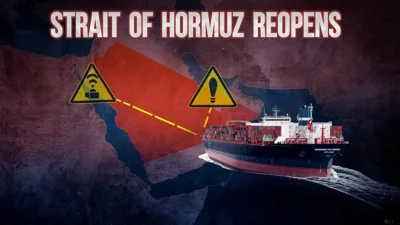
Reopening of the Strait of Hormuz: New Regulations to Impact Global Trade
Iran reopens the strategic Strait of Hormuz with new regulations affecting oil transport and global

Top 10 Must-See Attractions in NYC for First-Time Explorers
Discover essential experiences for first-time visitors to NYC, including attractions, culture, and i

Starbucks Engages Boyu Capital for Major Chinese Expansion
Starbucks teams up with Boyu Capital, selling a majority stake to boost growth and adapt to the Chin

Three Individuals Charged in Massive Meth Trafficking Case in Malaysia
In Malaysia, a married couple and another suspect are charged with trafficking 510kg of meth, facing