Post by : Saif Nasser
A late-night Russian drone attack on the southeastern Ukrainian city of Zaporizhzhia left at least 19 people injured and caused heavy destruction across several neighborhoods. Local officials said the strikes, which took place on Tuesday night, triggered fires, damaged apartment buildings and vehicles, and left emergency workers struggling to control the chaos.
Regional governor Ivan Fedorov said the drone wave caused serious damage to homes, shops, and public spaces. According to his statement, 31 apartment buildings, 20 private houses, and several stores were ruined or badly hit. Eight injured people were taken to hospital for treatment. He explained that rescue teams were working at more than a dozen locations as they searched for people who might still need help. Firefighters, police officers and medical staff were deployed in large numbers to deal with the destruction.
Images shared online showed firefighters battling flames that rose from high-rise apartments and cars burned out along the streets. The scenes reflected the intensity of the attack and the difficult conditions emergency workers faced during the night.
Ukraine’s air force reported that Russia had launched 90 drones along with two ballistic missiles in a broad assault across the country. Ukrainian defenders said they managed to shoot down 72 of the drones before they could hit their targets. Even with many drones intercepted, those that reached Zaporizhzhia caused widespread damage.
Russian forces currently control large areas of Zaporizhzhia region and have made gains in recent weeks. However, the city of Zaporizhzhia itself remains under Ukrainian control and continues to be a regular target of Russian strikes.
In response to the attack, a Russia-appointed official in the occupied part of Zaporizhzhia claimed that Ukrainian forces had struck power facilities in Russian-controlled territories. He said power had been cut to about 40,000 customers in those areas. Ukraine did not comment on that claim.
The Zaporizhzhia region has been one of the most tense fronts of the war. The latest attack once again highlights how civilians continue to face danger, destruction, and uncertainty as the conflict stretches on. For families living in the city, another night of explosions, fire, and fear serves as a painful reminder of how far peace still feels.
The growing number of drone attacks on Ukrainian cities shows no sign of slowing, raising concerns about safety, infrastructure damage, and the long-term impact on daily life. The strike on Zaporizhzhia adds to the long list of civilian areas that continue to suffer as the war enters yet another difficult phase.The European Union is moving faster to agree on a plan to use frozen Russian assets to support Ukraine, after a new U.S.-backed peace proposal introduced different ideas and caused fresh debate in Europe. Officials in Brussels say the new push is meant to protect Europe’s role in helping Ukraine while also preventing the United States from taking control of how these large sums are used.
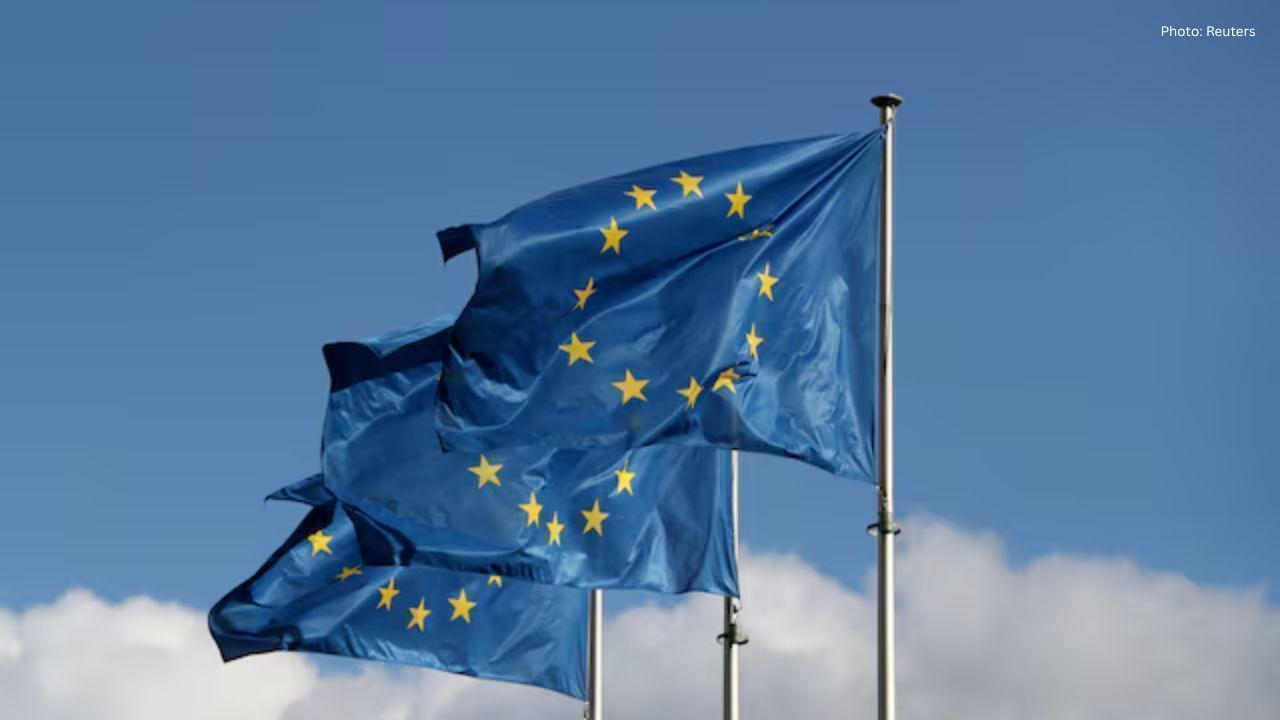
The EU has been discussing a plan to lend around 140 billion euros from frozen Russian central bank assets to Ukraine. This money would help Kyiv cover defence costs and basic government needs in 2026 and 2027. The idea is that Ukraine will repay the money only when Russia pays war reparations in the future. However, EU leaders failed to get full agreement during last month’s summit because Belgium, which holds most of the frozen funds, raised legal and financial concerns.
The European Commission, which drafts EU laws, is now preparing a detailed legal proposal aimed directly at addressing Belgium’s worries. Without Belgium’s approval, the whole plan cannot move forward because the EU requires unanimous agreement on sanctions and major financial measures.
The urgency increased after new details emerged about a U.S.-backed plan that many in Europe see as unfairly favourable to Moscow. Under that proposal, about $100 billion from frozen Russian assets would be invested in a U.S.-led reconstruction fund for Ukraine, with the United States receiving half of the profits. Europe would also be expected to match the $100 billion contribution to expand the investment pool. The rest of the Russian assets would go into a U.S.-Russia investment vehicle for joint projects, a detail that raised concerns among European leaders who want stronger pressure on Moscow, not new financial partnerships.
Officials in Brussels quietly admit that the U.S. proposal forced Europe to move faster. They believe the EU must show a united front and maintain control over how the frozen funds are used, especially because the war in Ukraine continues and Kyiv depends heavily on outside help.
European Commission President Ursula von der Leyen told the European Parliament that Europe must support Ukraine and cannot let its taxpayers bear the full burden. She stressed that frozen Russian money should play a key role in meeting Ukraine’s needs in the coming years.
Belgium’s concerns remain the biggest obstacle. Most of the frozen funds—about 185 billion euros—are held by Euroclear, a Belgian securities firm. Belgian officials fear Russia could file lawsuits against Euroclear in the future, which could be extremely expensive and stretch on for years. Belgium therefore wants the EU to promise that if such legal battles occur, the union will share the costs instead of leaving Belgium to handle them alone.
Another problem is the risk that a future EU vote might unblock the frozen Russian funds. Sanctions must be renewed every six months, and Belgium worries that Hungary—whose prime minister is seen as close to Moscow—might refuse to extend the sanctions. If that happened, Russian assets would automatically be released. Belgium wants a way to prevent this scenario before agreeing to the plan.
The EU also wants Canada, Japan, Britain, and the United States to join the effort, since all these G7 countries also hold Russian funds. EU officials believe a wider international coalition would reduce legal risks and show stronger unity against Moscow.
Despite the complicated negotiations, officials close to the talks say they are optimistic. They believe each of Belgium’s concerns can be resolved with clear guarantees, detailed legal wording, and a shared commitment from other EU members.
For now, Europe continues to face both pressure from the war in Ukraine and pressure from its partners across the Atlantic. The outcome of this debate will decide how one of the largest pools of frozen state assets in modern history will be used—and how Europe positions itself in the long struggle to support Ukraine’s defence and reconstruction.







Achieve Radiant Skin with This Simple Rice Flour Treatment
Transform your skincare routine! Discover how a rice flour mix can restore your skin's glow without

Meta Unveils Subscription Plans for Instagram, Facebook, and WhatsApp
Meta introduces new subscription plans for users of Instagram, Facebook, and WhatsApp, featuring enh

Suvarna Joy on Education Leadership, Resilience, and Building Purpose Through Adversity in the UAE
Suvarna Joy shares her journey of education leadership, motherhood, faith, and resilience within the

Anticipated Dates for UAE Eid Al Adha 2026 Unveiled by Astronomical Experts
Experts predict Eid Al Adha 2026 in the UAE to start on May 27, prompting early holiday planning amo

DAE Achieves Remarkable Growth in Q1 2026 With Record Revenue
Dubai Aerospace Enterprise announces impressive financial results for Q1 2026, reflecting a surge in

Price Increase for Sony PS5 in Southeast Asia Effective May 1
Sony announces a price increase for the PS5 across Southeast Asia starting May 1, 2026, impacting ga




