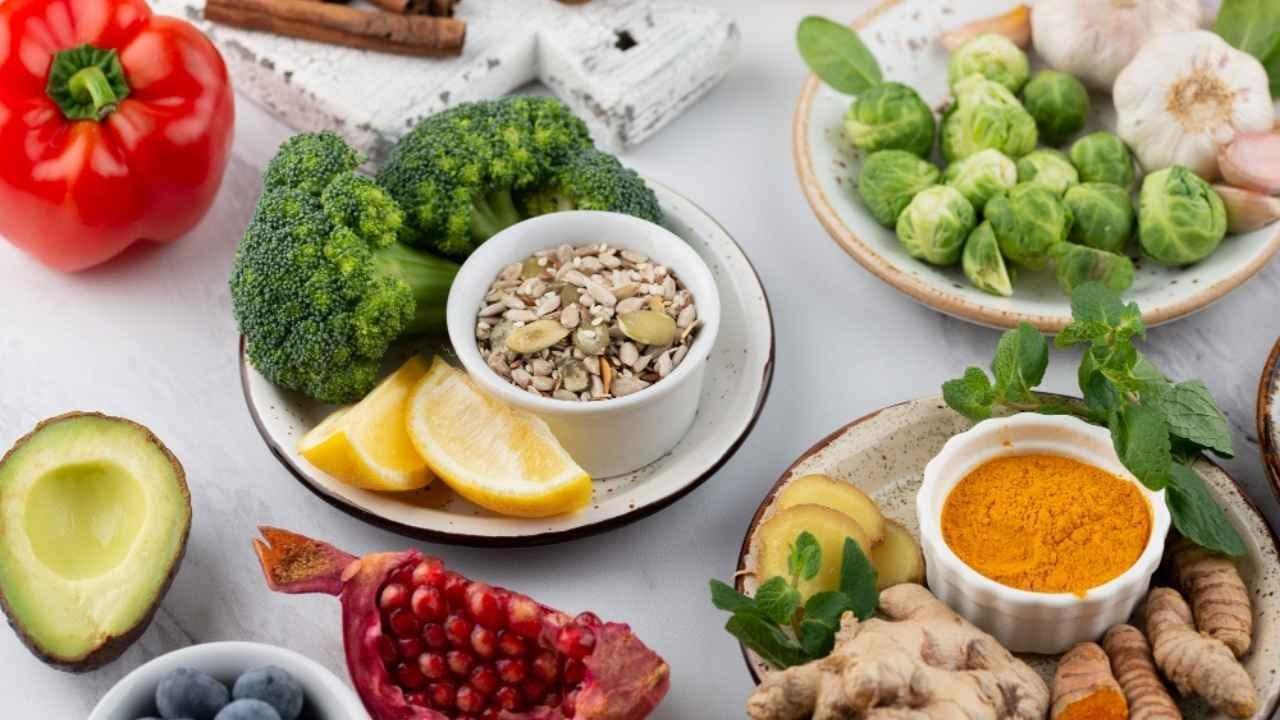
Post by : Mikhael Nasser
Hypothyroidism occurs when the thyroid gland isn't active enough, leading to decreased hormone production. These hormones influence metabolism, energy levels, mood, digestion, heart rate, and body temperature. A sluggish thyroid can cause fatigue, weight gain, dry skin, hair loss, constipation, and reduced stamina.
While medication is crucial, your diet profoundly influences thyroid health. Consuming the right foods can help stimulate metabolism, improve energy, and alleviate many symptoms.
Here are six vital foods that can naturally bolster thyroid functionality and keep you feeling vibrant and energetic.
Iodine is essential for proper thyroid function. A deficiency can hinder hormone production, leading to gland swelling and reduced metabolism.
Facilitates hormone production
Reduces neck swelling (goiter)
Supports proper metabolic function
Iodized salt
Seaweed, like kelp or nori
Fish and shrimp
Eggs
Use iodized salt in your cooking and enjoy seafood weekly. Consume seaweed in moderation due to its high iodine content.
Selenium is pivotal for protecting the thyroid and converting hormones into bioavailable forms.
Reduces inflammation
Assists in hormone conversion
Increases energy levels
Brazil nuts (just 1-2 daily)
Sunflower seeds
Brown rice
Tuna and sardines
Add nuts and seeds to meals or snacks for a healthful boost. A small handful is sufficient.
Protein is vital for distributing thyroid hormones and enhancing satiety, crucial for muscle maintenance.
Boosts metabolic rate
Maintains muscle strength
Regulates blood sugar levels
Fish
Chicken
Eggs
Legumes, including beans and lentils
Include a protein source in all meals to sustain energy throughout the day.
Zinc is essential for optimal thyroid function and activating thyroid hormones while supporting immunity.
Enhances thyroid functionality
Boosts immune defenses
Contributes to healthy skin and hair
Pumpkin seeds
Chickpeas
Whole grains
Cashews
Sprinkle pumpkin seeds on salads or snacks and enjoy chickpeas as a nutritious snack.
Vitamin D deficiency is prevalent among those with hypothyroidism. It works with calcium to maintain strong bones, hormones, and immunity.
Elevates mood and energy
Balances hormones
Promotes healthy bones
Morning sunlight
Milk and yogurt
Fortified cereals
Almond milk
Spend 10–15 minutes in the morning sun and integrate dairy or fortified foods into your diet.
Eating foods rich in anti-inflammatory properties supports overall health, reducing thyroid symptoms.
Eases inflammation
Enhances metabolic activity
Supports skin, digestion, and immunity
Berries like strawberries and blueberries
Turmeric
Spinach, kale, and other greens
Ginger and garlic
Drink turmeric-infused water, sip ginger tea, and include leafy greens in daily meals.
Certain foods can hinder thyroid function when consumed in excessive portions. Moderation is key for maintaining hormonal balance.
High soy intake
Raw cruciferous vegetables (cooking mitigates effects)
Refined sugars
Fast food and processed snacks
Gluten (if sensitive)
Occasional indulgence is acceptable, but avoid everyday excessive consumption.
Warm water
5 soaked almonds
Oatmeal topped with berries or boiled eggs
Brown rice or whole wheat roti
Spinach or mixed vegetable curry
Grilled fish or chicken, or dal
Ginger tea or green tea
A small serving of pumpkin or sunflower seeds
Vegetable soup
Grilled paneer or lentils
Cooked beans or broccoli
This balanced diet helps sustain energy levels and promotes a healthy metabolism.
Living with hypothyroidism can be challenging, but dietary choices can significantly impact health. Foods high in key nutrients like iodine, selenium, protein, zinc, and vitamin D can improve thyroid performance and enhance vitality. Coupled with regular medical care and appropriate medication, a well-rounded diet can lead you to feel more active and healthier.
Embracing a thyroid-friendly diet is an essential step toward enhanced well-being.
This article serves an educational purpose and is not a substitute for professional medical advice or treatment. Hypothyroidism requires consultation and guidance from healthcare professionals. Always consult your doctor or a certified nutritionist before making significant changes to your diet or medication regimen, especially if you have specific health concerns. Individual results may vary based on personal health, and you should prioritize your doctor's recommendations.










Anticipated Dates for UAE Eid Al Adha 2026 Unveiled by Astronomical Experts
Experts predict Eid Al Adha 2026 in the UAE to start on May 27, prompting early holiday planning amo

DAE Achieves Remarkable Growth in Q1 2026 With Record Revenue
Dubai Aerospace Enterprise announces impressive financial results for Q1 2026, reflecting a surge in

Price Increase for Sony PS5 in Southeast Asia Effective May 1
Sony announces a price increase for the PS5 across Southeast Asia starting May 1, 2026, impacting ga

Potential ‘Super El Niño’ in 2026: Understanding the Climate Risks
Could a Super El Niño emerge in 2026? Discover its implications and potential global climate impacts

Global Energy Crisis Intensifies: Markets React to Oil Supply Challenges
Markets are on edge as oil disruptions escalate, influencing prices and economic stability. Explore

Must-See Tourist Spots in London You Can't Overlook
Explore London's essential attractions, from royal landmarks to vibrant markets, ensuring an unforge




