Post by : Sami Jeet
Improving stamina doesn’t always require strenuous gym sessions. Instead, your body optimally responds to steady, uncomplicated movements that gradually build endurance, strengthen muscles, and increase oxygen utilization. If you find yourself feeling fatigued often, struggling during prolonged activities, or seeking enhanced physical performance, incorporating a few straightforward steps into your daily routine can yield significant improvements in a matter of weeks.
Declining stamina often stems from inactive lifestyles, shallow breathing, inadequate sleep, and inconsistent physical activity. When the body remains inactive, muscles weaken, and the heart's efficiency decreases. Stressful daily routines can also deplete energy levels and hinder recovery. Simple daily movements counteract these effects by activating muscles, enhancing circulation, and boosting heart and lung capacity without exerting strain on your body.
Stamina increases when you regularly challenge your body at a low to moderate intensity. This practice enhances aerobic capacity, fortifies muscles, and optimizes oxygen flow. Quick bursts of small activities, when done consistently, facilitate sustainable improvements. The focus should be on staying active throughout the day rather than engaging in high-intensity workouts.
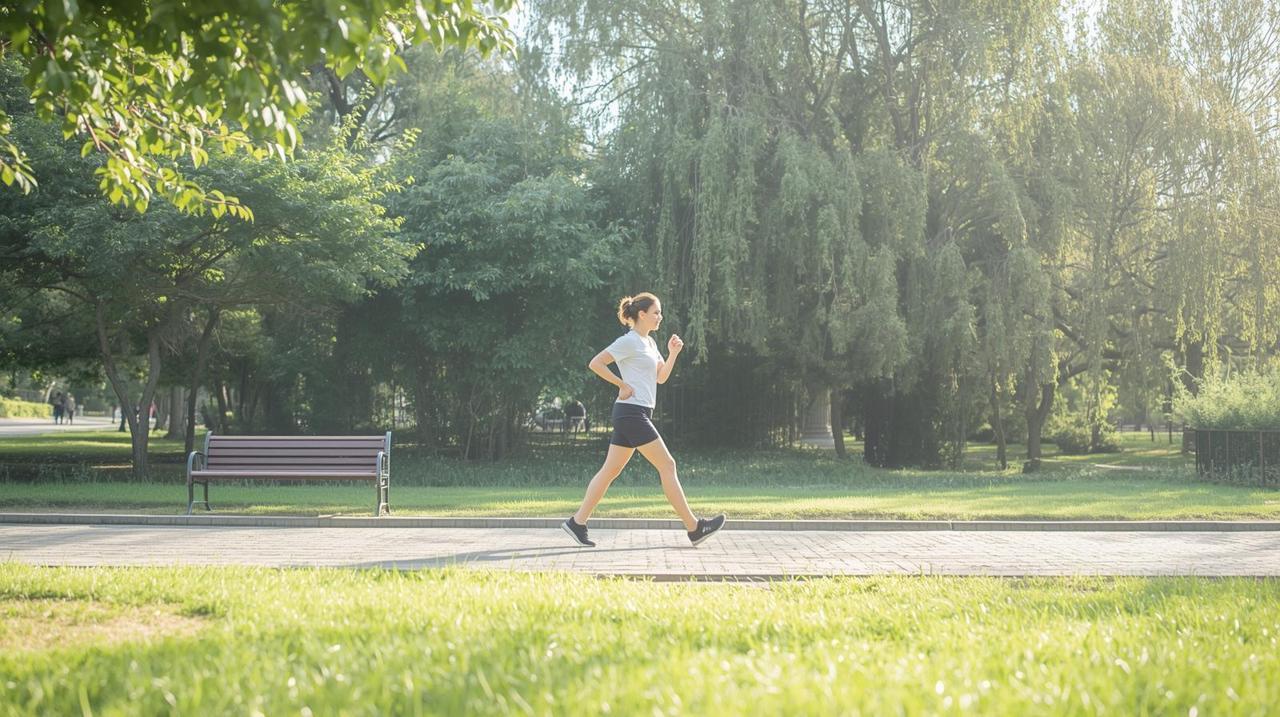
Walking is considered one of the simplest yet most effective methods to boost stamina.
This activity elevates heart rates safely, enhances lung functionality, strengthens the legs and core, and improves blood circulation.
Start with 15 minutes daily and gradually aim for 30 to 45 minutes.
Increase your pace for 1 minute every 5 minutes to enhance cardiovascular strength without undue stress.
When walking becomes manageable, slow jogging can help further enhance stamina.
A brief 2 to 3 minutes of jogging can elevate blood oxygen levels, enhance heart strength, and improve energy metabolism.
Try alternating between walking and jogging to prevent fatigue and ensure consistency.
Using stairs is a straightforward movement that can greatly enhance stamina.
This exercise activates large muscle groups quickly, elevates heart rates, and boosts lower-body power.
Make it a habit to ascend 1 to 2 floors daily at a manageable rhythm; avoid running unless your body is already conditioned for it.
Low stamina often results from stiff muscles and weak joints. Stretching daily facilitates better movement.
Leg swings, arm circles, torso twists, hip rotations.
This practice enhances flexibility, diminishes muscle tightness, and enables the body to perform with less effort.
Stamina significantly improves when the body efficiently utilizes oxygen.
Deep belly breathing, rhythmic breathing while walking, and controlled exhalation.
Better oxygen absorption leads to decreased fatigue and enhanced performance in all activities.
Building strong muscles allows the body to perform tasks with less exhaustion.
Wall push-ups, bodyweight squats, glute bridges, and chair dips.
These exercises boost muscle endurance, enhance posture, and minimize overall physical stress.
Long periods of sitting hinder stamina. Regular, brief movements help alleviate fatigue.
Stand up every 45 minutes, stretch your back, take short walks, or perform five light squats.
Enhances blood circulation, reduces stiffness, and keeps your body energized.
Cycling is a smooth, joint-friendly method to enhance stamina.
Boosts heart strength, improves leg endurance, and prepares you for prolonged exercise.
Start with 10 to 15 minutes at a leisurely pace.
Your stamina is closely linked to your dietary choices.
Even slight dehydration can drastically affect endurance levels.
Bananas, nuts, oats, eggs, leafy greens, and lean proteins.
These provide sustained energy for your daily exertions.
Regardless of your activity level, poor recovery impedes progress.
Muscles regenerate during rest, and the heart recuperates post-activity.
Aim for 7 to 8 hours of undisturbed sleep to enhance stamina levels.
The best way to enhance stamina is through consistency rather than intensity.
10 minutes of morning stretching
30 minutes of walking
5 minutes of stair climbing
10 minutes of light strength exercises
Throughout the day: movement intervals
Evening: breathing practices
This structure promotes activity without overwhelming your body.
Avoid pushing too hard too quickly, comparing yourself to others, neglecting recovery, and inconsistency.
Small, steady improvements, persistent progress, and integrating daily activities that feel natural.
With consistent movements, most individuals report:
Feeling less fatigued within 7 to 10 days
Improved breathing within 2 to 3 weeks
Increased stamina and energy levels after 30 days
Consistency remains key to sustaining these benefits over time.
This article serves as general wellness advice and is not intended to replace professional medical guidance. Individual fitness levels may vary, and those with chronic health concerns should consult a certified healthcare professional prior to starting any new exercise regimen.
Ch










Meta Unveils Subscription Plans for Instagram, Facebook, and WhatsApp
Meta introduces new subscription plans for users of Instagram, Facebook, and WhatsApp, featuring enh

Suvarna Joy on Education Leadership, Resilience, and Building Purpose Through Adversity in the UAE
Suvarna Joy shares her journey of education leadership, motherhood, faith, and resilience within the

Anticipated Dates for UAE Eid Al Adha 2026 Unveiled by Astronomical Experts
Experts predict Eid Al Adha 2026 in the UAE to start on May 27, prompting early holiday planning amo

DAE Achieves Remarkable Growth in Q1 2026 With Record Revenue
Dubai Aerospace Enterprise announces impressive financial results for Q1 2026, reflecting a surge in

Price Increase for Sony PS5 in Southeast Asia Effective May 1
Sony announces a price increase for the PS5 across Southeast Asia starting May 1, 2026, impacting ga

Potential ‘Super El Niño’ in 2026: Understanding the Climate Risks
Could a Super El Niño emerge in 2026? Discover its implications and potential global climate impacts




