Post by : Anees Nasser
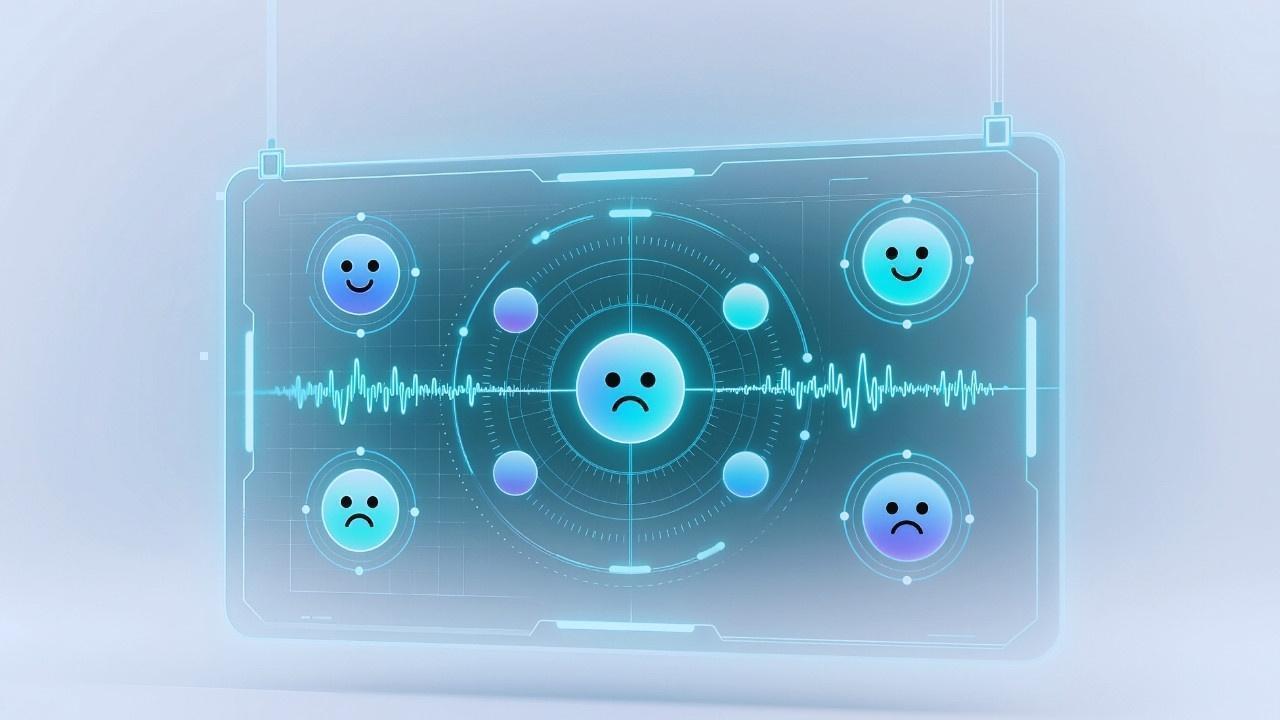
Emotion AI, known as affective computing, enables machines to interpret human emotions via facial expressions, vocal tones, and physiological signals. By utilizing machine-learning techniques trained on extensive datasets, these systems aim to decode emotional states in real time.
For example, algorithms examine micro-expressions—brief, involuntary facial gestures—to deduce feelings such as happiness, stress, or suspicion. Voice analysis technologies capture subtle variations in tone and rhythm that reveal excitement or frustration. When combined, these signals allow emotion recognition systems to infer a user’s mood without verbal confirmation.
The convergence of psychology and technology suggests a future where machines interact with humans in a more intuitive manner, bridging the emotional divide that has historically existed in human-AI relationships.
Emotion AI is now prevalent beyond research laboratories, subtly embedded in various sectors. For instance, in marketing, companies assess consumer responses to ads, refining strategies based on emotional feedback. Likewise, customer service bots equipped with sentiment analysis adjust their tone according to the caller's emotional state.
In education, emotion AI aids in monitoring student engagement during online classes, helping instructors identify dips in attention. In healthcare, emotion detection plays a role in diagnosing conditions like anxiety and depression by observing behavioral changes over time. Even vehicles equipped with sensors can monitor the driver's emotional state to combat fatigue or distractions, thus enhancing road safety.
These diverse applications underscore a rising belief that technology can foster a deeper understanding of human emotions, though the pervasive implementation of emotion AI also compels discussions on possible misuse and ethical challenges.
A primary allure of Emotion AI is its capacity to create empathetic interactions. Historically criticized for their inability to read emotional nuances, AI systems are evolving. A chatbot, for instance, may respond accurately but miss the subtleties of sarcasm or distress. Emotion AI aims to rectify this gap.
By interpreting tone, expressions, and body language, AI can offer more context-sensitive reactions. Envision a virtual assistant that softens its tone upon detecting stress in your voice or a health monitoring device reaching out in response to early signs of emotional fatigue. This progression makes human-machine interaction less mechanical and increasingly instinctive.
In corporate settings, understanding team morale through emotion recognition could enable managers to detect burnout proactively. For mental health practitioners, AI tools could facilitate swift responses to patient emotions, reinforcing the idea that AI augments human empathy rather than replaces it.
Nonetheless, emotion AI incites critical ethical considerations: should machines have the ability to interpret emotions that individuals do not willingly share? The implementation of facial and vocal analyses without explicit consent undermines long-held privacy principles.
Unlike conventional data types, emotional data is intimately personal—it reveals internal feelings rather than just behavioral patterns. When employed in public contexts, emotion recognition technologies invite concerns regarding surveillance that breach not only physical spaces but also psychological boundaries.
Critics voice apprehensions regarding potential ethical violations, where retailers might analyze shoppers’ expressions or employers gauge engagement through emotion detection. This creates the risk of discrimination and inaccuracies, raising questions about how this technology is deployed and who governs it.
The efficacy of emotion recognition is directly proportional to the quality of the data used for training. Human emotions defy universality; variations due to cultural contexts, individual differences, and situational cues indicate that a gesture interpreted one way in one culture might differ elsewhere. Algorithms trained predominantly on a singular demographic risk misreading expressions from others.
For instance, a neutral expression may be misclassified as anger if the data set lacks inclusivity. The implications are severe in hiring or security situations, where misinterpretations can lead to adverse outcomes. Beyond mere misinterpretation, there lies the issue of oversimplification, reducing complex emotional states to simplistic categories like “happy” or “sad.” The nuanced fabric of human emotions remains a difficult terrain for AI.
The challenge for developers is to enhance the accuracy of emotion AI while ensuring it encapsulates the diversity of human feelings, avoiding the amplification of existing biases.
As emotion AI technologies evolve, global regulators are beginning to respond. Some jurisdictions are investigating frameworks that categorize emotional data as sensitive, akin to biometric information. Such measures mandate transparency, consent, and purpose specificity—ensuring individuals are informed when their emotions are being analyzed.
Tech companies also face increasing demands to adopt responsible AI strategies, creating systems that prioritize auditability, explainability, and alignment with human rights. The emergence of independent oversight committees, regular audits, and transparent opt-in protocols are becoming indispensable for ethical emotion AI development.
The trajectory of this technology hinges on finding a balance: fostering innovation while safeguarding individuals from emotional exploitation.
The corporate sector's adoption of emotion detection technologies continues to rise, with applications in everything from hiring practices to employee wellness initiatives. On the surface, such tools appear advantageous—the identification of stress could proactively prevent burnout, while interviews may benefit from tracking emotional warmth or enthusiasm.
However, these systems harbor the potential to engender anxiety and distrust. Continuous monitoring could lead employees to feel scrutinized or judged based on emotional perceptions, regardless of other external variables. Absent rigorous regulation and ethical standards, emotion AI could blur the distinction between wellness advantages and emotional surveillance.
Transparency becomes crucial: employees need clarity on the data collected, analytical processes, and implications for evaluations or career trajectories.
Despite advancements, emotion AI lacks the capacity for genuine emotional experience. It discerns patterns but cannot share in the human experience of pain or joy. The intricate weave of human emotions—linked to memory and experience—remains elusive for machines.
This distinction is pivotal. While AI can support mental health initiatives, enhance safety, and improve customer relations, it should not supplant authentic human empathy. The aim must be synergy, ensuring AI systems enrich rather than compete with human relational capabilities. Recognizing this limit guarantees the responsible evolution of emotion AI as a supportive entity rather than a controlling observer.
Emotion AI stands at a crucial juncture of innovation and reflection. It offers vast potential for the development of emotionally intelligent technologies that resonate with users. Conversely, it prompts significant questions surrounding privacy, consent, and equity.
When guided by ethical principles, emotion AI could foster deeper connections, enhancing communication and well-being. However, if unregulated, it risks becoming a tool for emotional manipulation. The mandate for legislators, developers, and society is evident: establish frameworks that enable the interpretation of emotions without infringing on them.
Ultimately, the true promise of Emotion AI lies not merely in its ability to discern feelings, but in its capacity to respect them.
This article is for informational and educational purposes only. It provides an overview of trends in emotion recognition technology and its ethical implications. It does not constitute professional, legal, or policy advice. Readers are encouraged to seek expert consultation before applying any insights discussed within.










Anticipated Dates for UAE Eid Al Adha 2026 Unveiled by Astronomical Experts
Experts predict Eid Al Adha 2026 in the UAE to start on May 27, prompting early holiday planning amo

DAE Achieves Remarkable Growth in Q1 2026 With Record Revenue
Dubai Aerospace Enterprise announces impressive financial results for Q1 2026, reflecting a surge in

Price Increase for Sony PS5 in Southeast Asia Effective May 1
Sony announces a price increase for the PS5 across Southeast Asia starting May 1, 2026, impacting ga

Potential ‘Super El Niño’ in 2026: Understanding the Climate Risks
Could a Super El Niño emerge in 2026? Discover its implications and potential global climate impacts

Global Energy Crisis Intensifies: Markets React to Oil Supply Challenges
Markets are on edge as oil disruptions escalate, influencing prices and economic stability. Explore

Must-See Tourist Spots in London You Can't Overlook
Explore London's essential attractions, from royal landmarks to vibrant markets, ensuring an unforge




