Post by : Anees Nasser
Inflight internet has often posed challenges for travelers, with inconsistent service and high costs plaguing the experience. However, Emirates’ recent decision to adopt Starlink’s innovative satellite-powered Wi-Fi promises to transform air travel, offering passengers reliable connectivity at cruising altitudes.
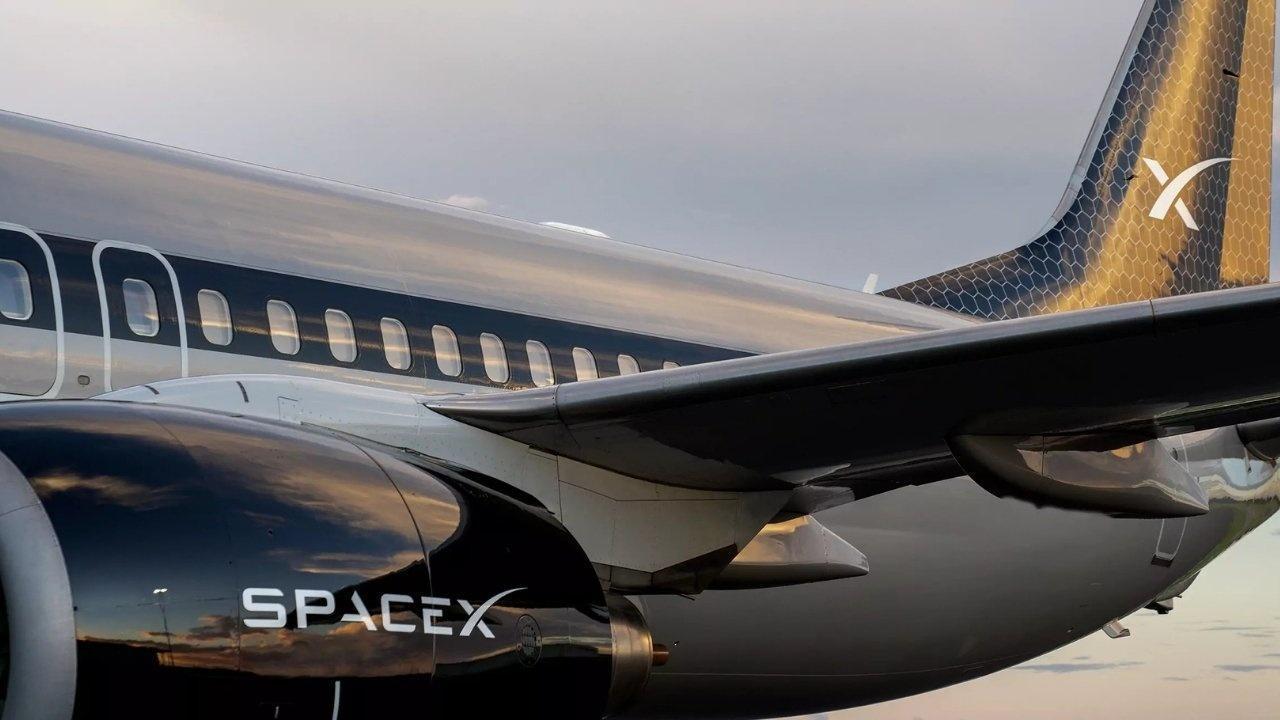
Starlink, created by SpaceX, is rapidly advancing into the aviation sector, paving the way for internet connectivity that rivals ground speeds. As one of the leading airlines globally, Emirates’ decision to use this technology heralds a significant shift in passenger expectations and industry standards.
This comprehensive article delves into Starlink’s unique technology, the motivations behind Emirates' adoption of this system, and the potential benefits for travelers as this service is rolled out.
Traditional inflight internet relies on geostationary satellites that can limit speed and consistency. In contrast, Starlink utilizes thousands of smaller satellites positioned in low Earth orbit, allowing for swifter communication with minimal latency.
Starlink’s lower latency provides real-time applications like video calls and streaming with much better performance. For flyers, this translates to a smoother online experience, even on lengthy flights.
With state-of-the-art onboard technology, Starlink is adaptable to high-speed travel, making it suitable for aviation and beyond. Airlines like Emirates can eliminate reliance on old, inefficient systems.
Modern travelers, particularly remote workers, expect constant internet availability. The move towards integrated remote work necessitates reliable connectivity in the air.
As airlines enhance the overall travel experience with upgrades in services and comfort, wi-fi quality has become crucial for remaining competitive. Emirates aims to sustain its reputation for excellence by partnering with Starlink.
With its extensive route network, which includes remote areas, Emirates can utilize Starlink’s wide-reaching capabilities to improve connectivity across all flights.
As Starlink continues to launch additional satellites, Emirates stands to benefit from ongoing enhancements in service and technology without major overhauls.
Starlink aims to provide speeds that surpass existing inflight internet systems, enabling high-definition streaming and efficient cloud-based work at altitude.
Effortless video calls
Seamless streaming of movies and sports
Efficient social media browsing
Real-time work on online platforms
Quicker email and web browsing
These features could significantly enhance the in-flight experience.
Starlink's quicker latency translates into a more stable connection, offering faster load times and improved online communication.
Starlink’s advanced technology can accommodate multiple device connections without compromising speed.
While pricing for Starlink services remains to be determined, advancements may lead to more affordable options for travelers.
Starlink’s architecture aims to deliver consistent connectivity no matter the flight route, addressing long-standing issues with service drops.
Adoption typically occurs gradually, beginning with select planes and areas before a broader rollout.
Specific antennas will be needed for Starlink installations, and some downtime may occur during these upgrades.
While Starlink is set to be the primary system, Emirates may continue using older technology as a backup.
To ensure effectiveness, rigorous testing under various conditions will be conducted throughout the implementation phase.
With Emirates leading the way, other airlines may follow suit and improve their own inflight connectivity.
Established satellite providers will need to innovate or risk obsolescence in the face of Starlink's advancements.
High-quality inflight Wi-Fi will likely become essential and not just a luxury, as travelers demand more from their flying experience.
As passenger needs evolve, high-speed internet may soon become a key selling point for airlines.
Business travelers can expect to remain productive during flights, altering the traditional view of travel time.
With stable connections, meetings can be conducted mid-air, optimizing time.
High-speed inflight connectivity aids in keeping international teams aligned.
Connecting to streaming services will allow personalized entertainment options for travelers.
Social media posts and live videos from the air may soon be the norm.
Easy access to the internet enables efficient planning during layovers.
The installation process for new tech can be lengthy and disruptive, especially for larger fleets.
Though more reliable, certain weather conditions might still affect Starlink performance.
Deciding how to price the service will be critical for airlines moving forward.
Approval from aviation authorities will be necessary for new systems and procedures, which can take time.
Absolutely. Discussions are already underway with numerous airlines globally to implement Starlink technology. Growth in adoption will likely follow a trend set by leading carriers.
Future developments may involve a mix of low Earth and geostationary satellites for enhanced connectivity.
Real-time gaming and collaborative cloud tasks could become viable on flights.
Advanced systems may dynamically adjust bandwidth to user needs in real-time.
Beyond passenger use, enhanced connectivity could benefit:
Predictive maintenance
Real-time vessel condition tracking
Optimizing cockpit and operational data
Emirates' decision to incorporate Starlink inflight connectivity represents a groundbreaking step in advancing air travel. As unreliable inflight Wi-Fi becomes a relic of the past, Starlink’s reliable service could redefine onboard experiences.
This transformation signifies an era where connectivity enhances comfort and productivity. The seamless integration of technology is set to revolutionize what it means to travel by air. Despite potential implementation challenges, the trajectory is clear: the future of aviation is increasingly connected and digital.
This article serves informational purposes only and does not reflect official airline directives. For confirmed information, please refer to airline announcements.










Anticipated Dates for UAE Eid Al Adha 2026 Unveiled by Astronomical Experts
Experts predict Eid Al Adha 2026 in the UAE to start on May 27, prompting early holiday planning amo

DAE Achieves Remarkable Growth in Q1 2026 With Record Revenue
Dubai Aerospace Enterprise announces impressive financial results for Q1 2026, reflecting a surge in

Price Increase for Sony PS5 in Southeast Asia Effective May 1
Sony announces a price increase for the PS5 across Southeast Asia starting May 1, 2026, impacting ga

Potential ‘Super El Niño’ in 2026: Understanding the Climate Risks
Could a Super El Niño emerge in 2026? Discover its implications and potential global climate impacts

Global Energy Crisis Intensifies: Markets React to Oil Supply Challenges
Markets are on edge as oil disruptions escalate, influencing prices and economic stability. Explore

Must-See Tourist Spots in London You Can't Overlook
Explore London's essential attractions, from royal landmarks to vibrant markets, ensuring an unforge




