Post by : Anees Nasser
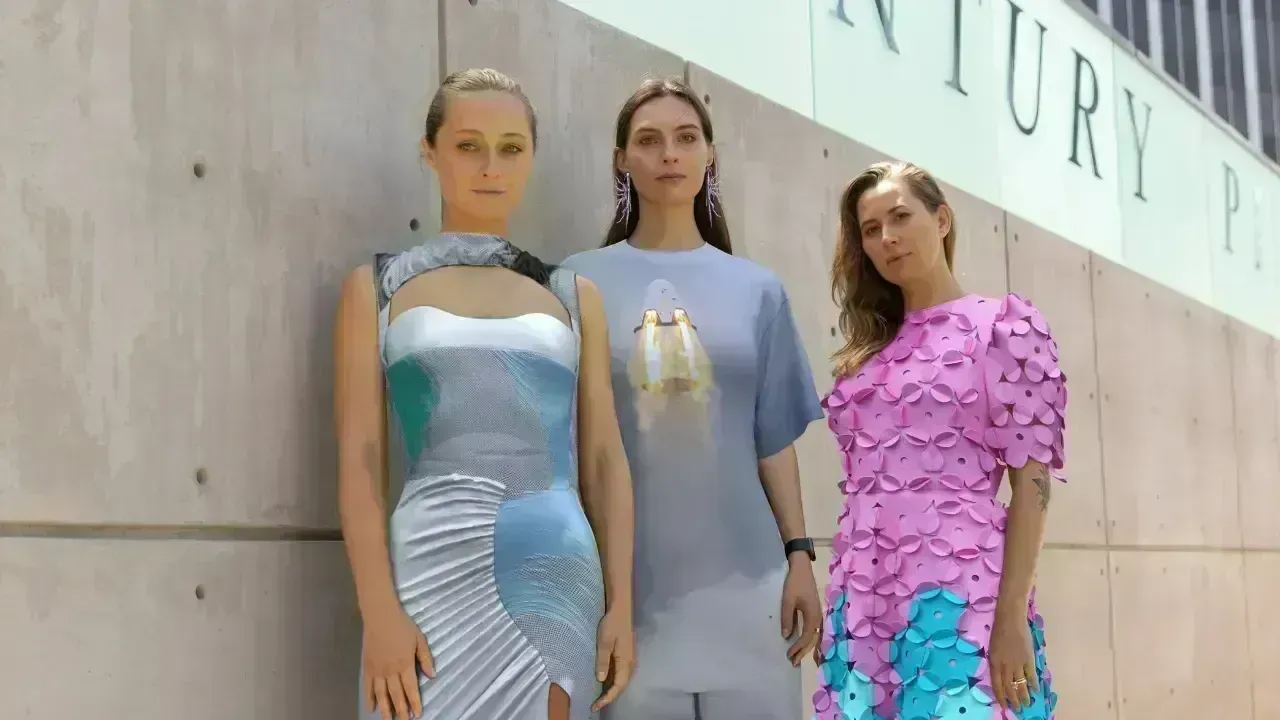
Fashion seldom changes abruptly; rather, it undergoes a gradual evolution—first on the runway, then adopted by niche circles, and ultimately embraced in daily life. The imminent wave of fashion innovation stands out as it transcends mere aesthetics. Factors such as climate concerns, digital behaviours, economic challenges, and the demand for practicality—without compromising self-expression—are crucial in shaping these trends.
The approaching year promises to elevate various experimental concepts into the mainstream. These innovations are not overtly futuristic; many are already subtly integrated into the fashion landscape. What will change next year is their scale, acceptance, and accessibility.
Below are ten fashion innovations likely to redefine our approach to dressing, shopping, and perceiving clothing.
For years, fashion adhered to an idealized figure. That blueprint is now under scrutiny.
Adaptive clothing—designed for ease of mobility, medical considerations, and diverse body types—is moving beyond specialized markets. Features like magnetic closures, adjustable seams, and elastic structures are making their way into everyday attire.
What makes this innovation ready for mainstream adoption is its inclusivity. Garments that adapt to bodies rather than demanding bodies adjust to them cater to everyone, from those with disabilities to individuals recovering from temporary injuries or undergoing lifestyle transitions.
Next year, adaptive fashion is expected to shed its label as “specialized” and emerge as a fundamental expectation.
Smart textiles are no longer confined to sportswear or tech showcases. Climate-responsive fabric—materials that adjust ventilation, warmth, or moisture management according to environmental factors—is becoming both wearable and financially accessible.
These textiles react to body temperature and conditions organically, eliminating the need for electronics. They naturally regulate comfort through structural fibers, coatings, or phase-altering materials.
As weather variability intensifies, clothing that adapts instead of layering adds to its appeal. This innovation seamlessly integrates into daily wardrobes as it addresses an everyday concern.
Digital fashion is often misconstrued as apparel for digital avatars. The real advancement is in digital-first design methodologies.
Designers are now crafting garments entirely in digital landscapes prior to producing any physical pieces. This method minimizes waste, accelerates iterations, and permits precise customization.
For shoppers, this translates to better-fitting clothing, fewer returns, and a more accurate preview of garment appearance and movement. As production costs decline and design software becomes more user-friendly, digital-first design is poised to transform fashion production.
The fast fashion phenomenon has led consumers to expect rapid wear and tear. This assumption is being actively challenged.
An increasing number of brands are producing attire with enhanced durability, incorporating reinforced seams and modular components. Instead of concealing joints and stitches, durability is now being celebrated as a design element.
The focus here isn't on rendering clothing indestructible, but on extending its lifecycle while retaining aesthetic appeal. In a culture increasingly mindful of value, clothing that stands the test of time is becoming desirable.
The era of mass production is waning. On-demand manufacturing facilitates the creation of apparel solely when demand exists.
This innovation mitigates overproduction, bulk inventory, and extreme discounting. It also paves the way for localized manufacturing, enhancing supply chain efficiency and quality control.
For consumers, on-demand fashion may result in longer lead times—but also ensures better fit, innovative designs, and a sense of purpose. As the need for immediate gratification diminishes, this model is becoming increasingly viable.
The concept of gender-neutral fashion is moving beyond oversized basics and ambiguous styles. The next iteration focuses on intelligent tailoring to accommodate a variety of body shapes without requiring labels.
Rather than categorizing items as “menswear” or “womenswear,” designers are prioritizing form, proportion, and motion. The outcome is clothing that feels organic rather than ideologically bound.
This shift could see widespread acceptance since it simplifies the shopping process and encapsulates how many people already blend influences without stringent classifications.
As resale markets flourish, authenticity has come to overshadow novelty.
Garments featuring scannable identifiers—integrated into labels or materials—enable consumers to verify origin, materials, and ownership history. This technology strengthens ecosystems surrounding resale, rental, and repair.
For the average shopper, this development enhances trust. Purchasing high-quality items feels safer when their authenticity and lifecycle are clear.
Trends dominated by logos tend to rise and fall sharply. In their place, texture is emerging as a new focal point.
Designers are delving into tactile surfaces, layered weaves, and rich finishes that convey luxury or uniqueness without overt branding. Texture becomes the new form of expression, overshadowing logos.
This shift resonates with a softer consumer approach, as individuals choose to convey identity through feel and tailored fit, distancing from recognizable symbols.
The traditional capsule wardrobe is evolving into a more adaptable concept.
Modular wardrobe systems allow garments to be reconfigured with features like detachable sleeves and adjustable lengths. One item can be versatile enough for various occasions or seasons.
This innovation attracts consumers desiring versatility without subscribing to a minimalist approach. It honors personal taste while curbing excess consumption.
In fashion, traditional sizing has long been problematic. Data-informed sizing uses collective body data for enhanced fitting across demographics.
Rather than relying on random size charts, brands are refining proportions based on actual metrics. This innovation decreases returns, boosts customer satisfaction, and promotes inclusivity.
Consumers stand to gain from more accurate fits and a greater sense of assurance while shopping. As consumer data practices advance, this trend could become standard across the industry.
At the core of these developments lies pertinent relevance.
Consumers seek garments that:
Fit impeccably
Endure over time
Minimize waste
Adapt to real-life conditions
Represent personal values
Fashion innovation has shifted away from being mere spectacle to addressing genuine everyday grievances that have long been overlooked.
Many of these advancements won't be aggressively marketed. They will quietly integrate into how clothing is produced and sold.
When such innovations become part of the infrastructure, they transition from being novel to essential. Fashion is approaching this phase.
The upcoming year may not drastically alter fashion's appearance, but it will revolutionize its functionality.
Shopping might slow down, but it will become more reflective. Attire will feel more personalized. Ownership will take on deeper meaning.
Fashion is poised to move away from excess, redirecting focus towards alignment—connecting with bodies, lifestyles, and long-term aspirations.
Fashion innovation doesn’t always manifest as spectacle. More often, it’s recognized as a solution—when clothing finally fits, lasts, adapts, or provides clarity.
The innovations set to take center stage next year aren't about forecasting trends; they're about reconstructing the bond between individuals and their attire.
This shift could turn out to be more impactful than any cyclical trend.
Disclaimer:
This article is intended solely for informational purposes and does not constitute professional fashion, business, or consumer advice. Timelines for industry adoption may differ.









DAE Achieves Remarkable Growth in Q1 2026 With Record Revenue
Dubai Aerospace Enterprise announces impressive financial results for Q1 2026, reflecting a surge in

Price Increase for Sony PS5 in Southeast Asia Effective May 1
Sony announces a price increase for the PS5 across Southeast Asia starting May 1, 2026, impacting ga

Potential ‘Super El Niño’ in 2026: Understanding the Climate Risks
Could a Super El Niño emerge in 2026? Discover its implications and potential global climate impacts

Global Energy Crisis Intensifies: Markets React to Oil Supply Challenges
Markets are on edge as oil disruptions escalate, influencing prices and economic stability. Explore

Must-See Tourist Spots in London You Can't Overlook
Explore London's essential attractions, from royal landmarks to vibrant markets, ensuring an unforge

Ultimate Guide to Snagging Cheap Flights in 2026
Unlock the secrets to booking affordable flights in 2026 with insightful tips and strategies tailore




