Post by : Shweta
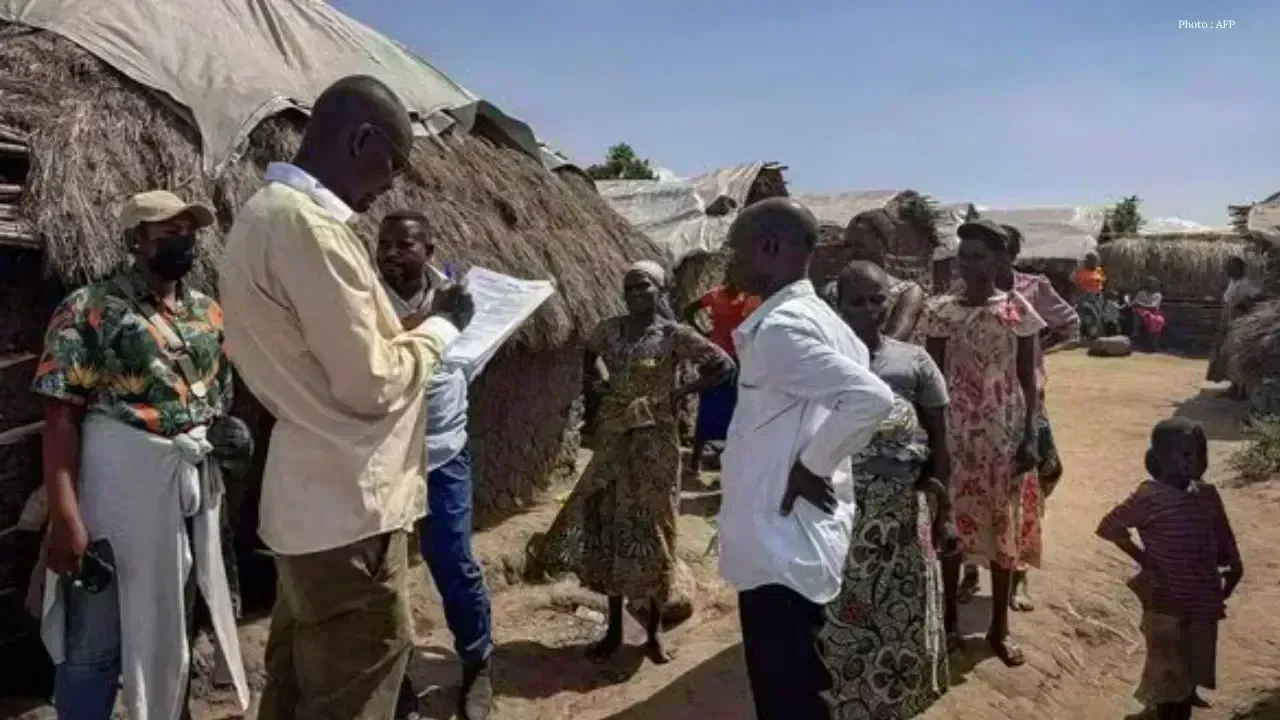
Governments around the world are intensifying travel restrictions and health assessments in response to the rising Ebola outbreak originating from Central Africa. The situation, primarily associated with the Democratic Republic of Congo (DRC) and Uganda, has led multiple nations to enforce urgent measures aimed at curbing the virus's potential spread across borders. Health experts emphasize the severity of the scenario, given that Ebola ranks among the deadliest infectious diseases and can transmit rapidly through direct contact with infected individuals or contaminated items.
Recently, the World Health Organization (WHO) declared the outbreak a significant international health emergency as new cases appear in the impacted areas. Officials have reported that the outbreak involves the less common Bundibugyo strain of Ebola, which complicates efforts made by medical teams to manage infections. International health organizations are now vigilantly monitoring key points of entry, including airports and main transport routes linking the affected nations.
The United States has established some of the most rigorous travel-related protocols to date. Authorities have announced temporary restrictions on certain travelers from Ebola-impacted countries such as the Democratic Republic of Congo, Uganda, and South Sudan. Health screening measures have been enhanced at major U.S. airports, with arriving travelers from high-risk areas subjected to additional medical inquiries, temperature evaluations, and post-entry monitoring. U.S. officials have reiterated that these actions are precautionary, aiming to safeguard public health while mitigating the outbreak's impact.
Canada is also tightening its border controls in light of this health crisis. Canadian officials have halted some immigration processes related to high-risk regions and issued warnings about potential quarantine requirements. It has been confirmed that certain returning travelers may need to isolate for up to 21 days if they have visited areas affected by Ebola. Canadian health agencies stress that these preventive measures aim to minimize the risk of imported Ebola cases.
Thailand has taken proactive steps by implementing mandatory quarantine for travelers arriving from outbreak-affected nations. Thai authorities have mandated a 21-day isolation period for those deemed at risk, aligning with Ebola's incubation period to facilitate symptom monitoring before individuals enter public areas. Increased health screenings and enhanced emergency preparedness protocols have also been put into action at Thai airports.
Countries close to the outbreak zone in Africa are likewise on high alert. Uganda has temporarily restricted access at parts of its border with the Democratic Republic of Congo, permitting only humanitarian and essential trade operations. Meanwhile, Kenyan authorities are ramping up medical assessments at both airports and land border crossings while establishing isolation facilities for potential emergency cases. East African governments are remaining vigilant due to robust regional travel connections and cross-border transit.
Countries including India, Bahrain, Jordan, Mexico, and the Bahamas have also launched extra travel advisories and screening tactics. India has recommended its citizens refrain from non-essential travel to Ebola-affected locations and has stepped up monitoring efforts at global airports. Medical institutions across several countries have been advised to maintain readiness for any potential imported cases.
Notably, despite the rising restrictions, the World Health Organization cautioned against complete border closures or unnecessary travel bans. WHO officials assert that total border shutdowns could incite panic and drive travelers towards less regulated crossing points, complicating monitoring efforts. Rather, the organization advocates for enhanced medical screenings, robust testing systems, contact tracing, and emergency healthcare preparedness across nations.
Health professionals highlight that the current outbreak poses unique challenges due to inadequate healthcare infrastructure, ongoing armed conflict, and population movements within affected regions. Aid organizations have reported that violence in eastern Congo is interrupting medical operations and complicating infection tracking. International health workers are collaborating closely with local authorities to prevent further escalation of the virus.
This outbreak has rekindled memories of the devastating Ebola crisis that struck West Africa between 2014 and 2016, claiming over 11,000 lives and prompting a global health emergency. As a preemptive measure, governments are now striving to prevent a similar international crisis through early intervention measures such as travel checks, medical surveillance, and meticulous emergency response initiatives. As the situation evolves, countries are likely to continually assess and adjust their border policies and public health strategies in the days to come.








Meta Unveils Subscription Plans for Instagram, Facebook, and WhatsApp
Meta introduces new subscription plans for users of Instagram, Facebook, and WhatsApp, featuring enh

Suvarna Joy on Education Leadership, Resilience, and Building Purpose Through Adversity in the UAE
Suvarna Joy shares her journey of education leadership, motherhood, faith, and resilience within the

Anticipated Dates for UAE Eid Al Adha 2026 Unveiled by Astronomical Experts
Experts predict Eid Al Adha 2026 in the UAE to start on May 27, prompting early holiday planning amo

DAE Achieves Remarkable Growth in Q1 2026 With Record Revenue
Dubai Aerospace Enterprise announces impressive financial results for Q1 2026, reflecting a surge in

Price Increase for Sony PS5 in Southeast Asia Effective May 1
Sony announces a price increase for the PS5 across Southeast Asia starting May 1, 2026, impacting ga

Potential ‘Super El Niño’ in 2026: Understanding the Climate Risks
Could a Super El Niño emerge in 2026? Discover its implications and potential global climate impacts




