Post by : Sami Jeet
Disclaimer: This content is meant for informational purposes and is not a substitute for professional medical advice. Always consult a healthcare expert for tailored guidance.
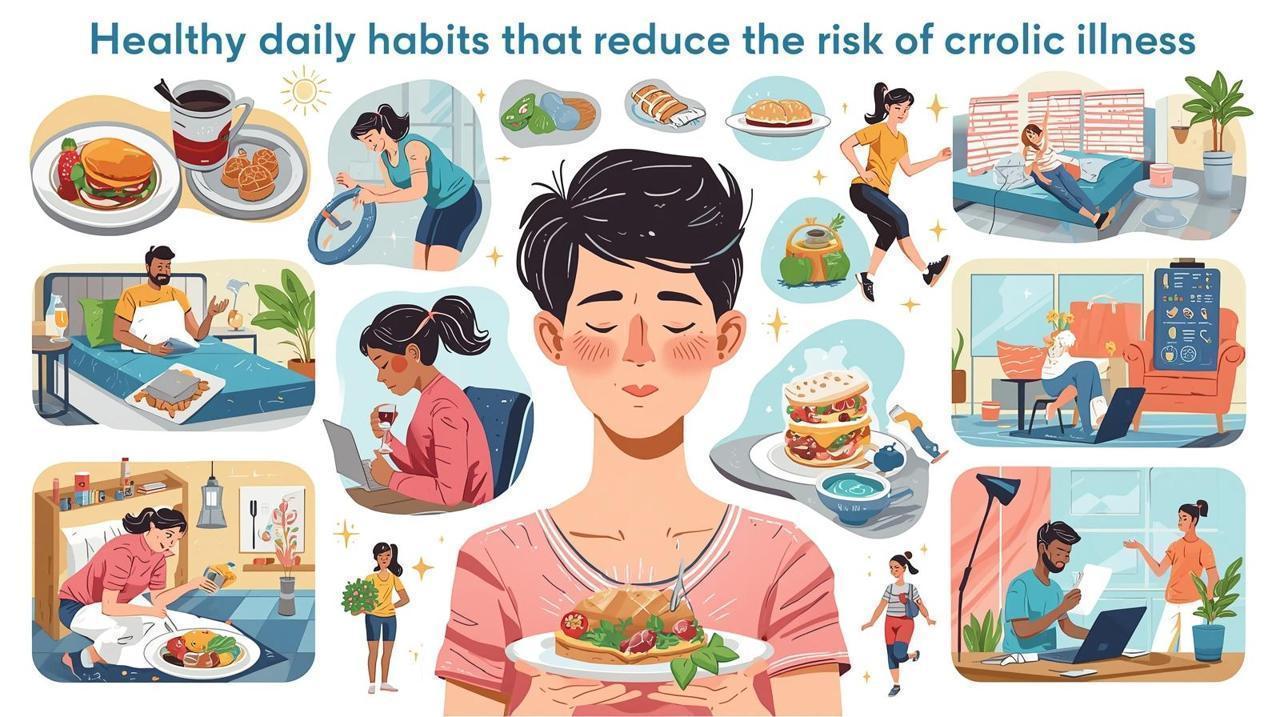
Conditions like diabetes, hypertension, heart problems, and obesity usually develop gradually over time, influenced by the choices we make daily. Fortunately, implementing simple, consistent habits can greatly reduce these risks. This article presents feasible lifestyle modifications to enhance bodily health, minimize inflammation, and elevate overall well-being.
While some individuals depend on periodic diets or short bursts of exercise, lasting prevention of chronic diseases relies on consistent and sustainable habits. By incorporating small, daily actions, individuals can cultivate long-term metabolic wellness, balanced hormones, and improved immunity without requiring drastic measures, costly equipment, or complicated regimens.
During sleep, your body naturally loses water, and dehydration can negatively impact digestion, blood pressure, and energy levels. A glass of water in the morning jumpstarts your metabolism and ensures good circulation.
Staying hydrated supports kidney function, decreases toxin buildup, and optimizes blood sugar levels, playing a crucial role in preventing kidney disease, diabetes, and heart-related issues.
A diet focused on whole foods can reduce inflammation, enhance digestion, and improve nutrient absorption. Cutting back on processed snacks, sugary beverages, and fast food is essential.
Fresh vegetables
Fruits
Whole grains
Lean proteins
Nutritious fats like nuts, seeds, and olive oil
These food choices promote healthier weight management and diminish the odds of chronic inflammation, a significant trigger for various diseases.
Regular exercise enhances heart health, boosts muscle strength, and regulates hormones. No gym? Activities like walking, cycling, yoga, or home workouts are also beneficial.
Exercise plays a vital role in maintaining blood pressure, lowering cholesterol, and enhancing insulin sensitivity, which mitigates the risk of type 2 diabetes and heart disease.
Poor sleep can negatively affect metabolism, immunity, and mental well-being. Strive for 7–9 hours of restorative sleep.
Limit screen time before bed
Stick to a regular sleep schedule
Keep your bedroom dark and cool
Improving sleep quality aids in glucose regulation and reduces stress hormones, which helps in preventing long-term conditions.
Chronic stress can elevate inflammation, blood pressure, and disrupt hormonal balance.
Deep breathing for five minutes
Short meditation sessions
Light stretching
Nature walks
These practices can help lower cortisol levels and safeguard your heart, digestive system, and immunity.
Excessive sugar intake is directly linked to diabetes, obesity, and fatty liver disease. Cutting back on sweets, pastries, sugary drinks, and refined flour products can help stabilize blood sugar levels.
Opt for fruits over desserts
Switch to whole-grain bread
Use natural sweeteners sparingly
These changes reduce reliance on sugary foods and minimize disease risk.
Extreme dieting isn't necessary—what's crucial is a consistent, balanced lifestyle. Losing even 5–7% of your body weight can markedly diminish disease risk.
Excess fat, particularly in the abdominal region, heightens inflammation and places pressure on essential organs, influencing conditions like heart disease, diabetes, and joint issues.
Both habits considerably heighten the risk of chronic diseases. Reducing alcohol intake and completely avoiding smoking lift the burden from your heart, liver, and lungs.
Better lung capacity
Enhanced heart health
Lower cancer risk
Improved liver function
Fiber promotes gut health and enhances digestion, blood sugar, and cholesterol management.
Oats
Beans
Lentils
Broccoli
Chia seeds
A balanced fiber intake fosters a healthy gut microbiome, reducing inflammation and bolstering immunity.
Extended sitting sessions heighten the risk of diabetes, obesity, and heart disease, even if you maintain an exercise routine.
Stand every 45–60 minutes
Walk around your space
Perform 1–2 minutes of light stretching
These simple movements enhance circulation and avert stiffness.
Healthy relationships contribute to stress reduction, promote mental wellness, and lower inflammation levels.
Chat with a friend
Spend quality time with family
Engage in community activities
Meaningful social interaction fortifies emotional stability, thereby diminishing chronic disease risk factors.
Early detection of health issues aids in preventing complications and facilitates timely treatment.
Blood pressure
Blood sugar
Cholesterol
Vitamin levels
Regular screenings allow for better understanding of your health trajectory and enable a proactive approach to wellness.
Preventing chronic illness isn't about attaining perfection but about cultivating consistency. By adopting just two or three of these habits, you can create a positive ripple effect. Over time, these choices accumulate, resulting in stronger immunity, healthier organs, and enhanced emotional well-being. Your health represents an investment that flourishes with every commitment you make.










Anticipated Dates for UAE Eid Al Adha 2026 Unveiled by Astronomical Experts
Experts predict Eid Al Adha 2026 in the UAE to start on May 27, prompting early holiday planning amo

DAE Achieves Remarkable Growth in Q1 2026 With Record Revenue
Dubai Aerospace Enterprise announces impressive financial results for Q1 2026, reflecting a surge in

Price Increase for Sony PS5 in Southeast Asia Effective May 1
Sony announces a price increase for the PS5 across Southeast Asia starting May 1, 2026, impacting ga

Potential ‘Super El Niño’ in 2026: Understanding the Climate Risks
Could a Super El Niño emerge in 2026? Discover its implications and potential global climate impacts

Global Energy Crisis Intensifies: Markets React to Oil Supply Challenges
Markets are on edge as oil disruptions escalate, influencing prices and economic stability. Explore

Must-See Tourist Spots in London You Can't Overlook
Explore London's essential attractions, from royal landmarks to vibrant markets, ensuring an unforge




