Post by : Mikhael Nasser
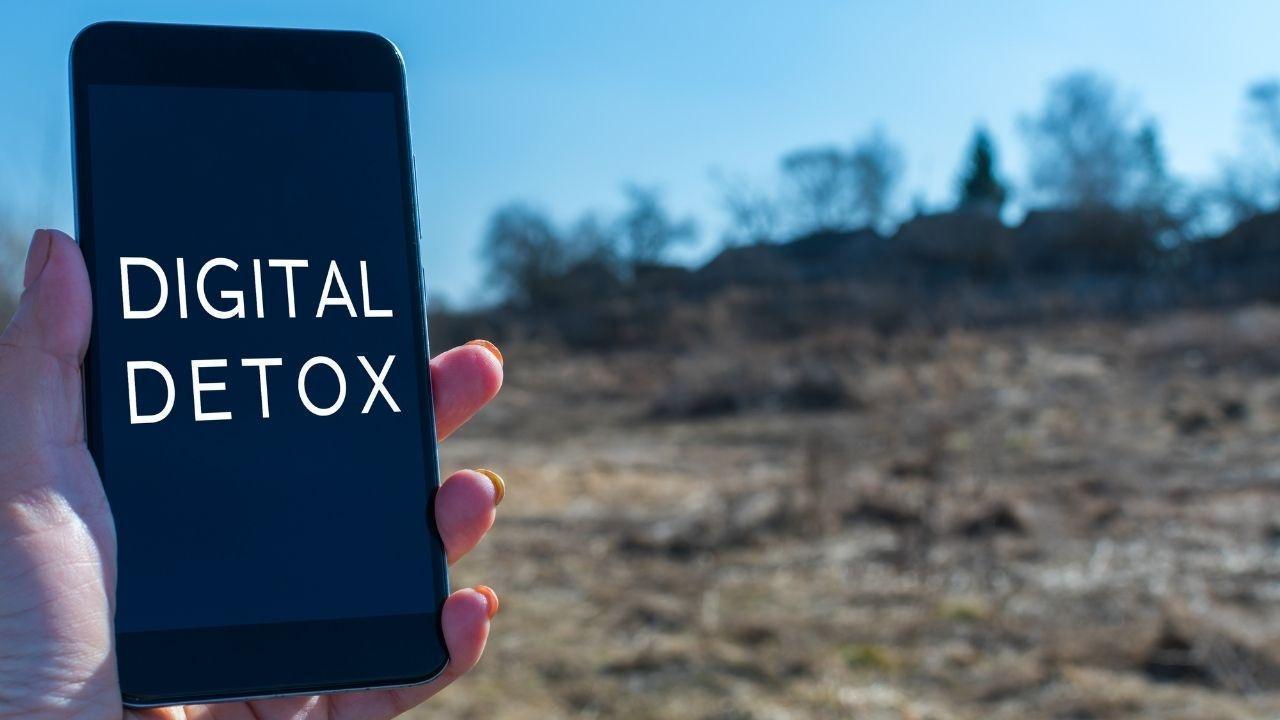
In today’s world, screens are everywhere. Smartphones, laptops, tablets, and televisions have become part of our daily life. Technology has made our lives easier, but spending too much time on screens can cause problems. People often feel tired, stressed, or distracted because they are constantly connected. A digital detox can help — taking intentional breaks from screens to refresh your mind, body, and energy.
A digital detox doesn’t mean giving up devices completely. Instead, it is about using technology wisely and creating time for offline activities. With a few simple habits, you can reduce screen time, improve your focus, sleep better, and feel healthier overall.
Too much screen time affects both your body and your mind. Some common issues include:
Eye Strain and Headaches: Staring at screens for long hours can make your eyes tired, cause blurry vision, or lead to headaches.
Sleep Problems: The blue light from phones and computers can disturb your natural sleep cycle, making it harder to fall asleep.
Stress and Anxiety: Constant notifications and seeing others’ posts on social media can make you feel anxious or pressured.
Reduced Productivity: Using multiple devices at the same time can reduce focus and slow down work or study.
Weaker Social Connections: Spending too much time online can reduce real-world conversations and interactions.
A digital detox gives your mind a break, refreshes your energy, and helps you feel more focused. It also allows you to connect better with the world around you.
You don’t need extreme measures to start. Small, consistent changes can make a big difference. Here are some simple steps you can follow:
Decide when and where you will avoid screens:
No phones during meals.
Avoid screens 30–60 minutes before sleeping.
Make certain areas in your home screen-free zones, like bedrooms or dining rooms.
Having rules like these helps your mind relax, reduces dependence on devices, and improves focus.
Give your eyes and mind a rest using the 20-20-20 rule: every 20 minutes, look at something 20 feet away for 20 seconds.
Use these moments to stretch, walk, or take deep breaths. Short breaks prevent eye strain and help you feel refreshed.
Social media can take up a lot of time and cause stress. Try these tips:
Set daily time limits for apps.
Turn off unnecessary notifications.
Focus on meaningful conversations instead of endless scrolling.
Reducing social media can improve mental health and free up time for real-life activities.
Replace screen time with activities that don’t need a device:
Reading books or magazines.
Drawing, painting, or doing crafts.
Cooking or baking.
Going for a walk, exercising, or practicing yoga.
Offline activities help your mind relax, improve creativity, and make you more present in daily life.
Use devices with intention. Ask yourself:
Am I using this device for work, learning, or fun?
Am I scrolling because I’m bored or out of habit?
Being mindful prevents wasted hours and makes screen time more meaningful.
Set aside one day a week or a few hours for no screens:
Spend time outside with family or friends.
Enjoy hobbies, meditate, or journal.
Explore nature or learn something new.
Digital detox days help reduce stress, reset your mind, and strengthen real-world relationships.
Not all screen time is harmful. Use devices to improve your health and learning:
Track screen usage to understand your habits.
Set reminders for short breaks.
Use apps for fitness, education, or mindfulness instead of mindless scrolling.
Technology can be helpful when used carefully and with purpose.
Taking breaks from screens has both short-term and long-term benefits:
Better Sleep: Less screen use before bed improves sleep quality.
Lower Stress and Anxiety: Fewer notifications and comparisons reduce mental pressure.
Improved Focus and Productivity: Without constant distractions, it is easier to concentrate.
Stronger Relationships: Spending time offline strengthens connections with family and friends.
Increased Creativity and Mindfulness: Offline moments allow reflection, learning, and personal growth.
Even small changes, like staying offline for an hour a day, can improve your overall well-being over time.
Digital devices are essential in today’s life, but too much screen time can harm physical and mental health. A digital detox is not about avoiding technology completely. It is about using it wisely, setting limits, and taking time for offline activities.
By following simple steps — setting boundaries, taking breaks, enjoying hobbies, and using technology mindfully — you can reduce screen time, relieve stress, improve sleep, and feel more focused. Start small, be consistent, and you will notice how even a few screen-free hours can make your days more productive, peaceful, and satisfying.
This article is intended for general awareness and educational purposes only. It does not replace professional medical, mental health, or psychological advice. Excessive screen time affects individuals differently, and symptoms may vary. Readers experiencing persistent stress, anxiety, or other mental health concerns related to screen use are strongly encouraged to consult a qualified healthcare professional, licensed therapist, or counselor. Always seek expert guidance before making significant changes to your digital habits or lifestyle.










Anticipated Dates for UAE Eid Al Adha 2026 Unveiled by Astronomical Experts
Experts predict Eid Al Adha 2026 in the UAE to start on May 27, prompting early holiday planning amo

DAE Achieves Remarkable Growth in Q1 2026 With Record Revenue
Dubai Aerospace Enterprise announces impressive financial results for Q1 2026, reflecting a surge in

Price Increase for Sony PS5 in Southeast Asia Effective May 1
Sony announces a price increase for the PS5 across Southeast Asia starting May 1, 2026, impacting ga

Potential ‘Super El Niño’ in 2026: Understanding the Climate Risks
Could a Super El Niño emerge in 2026? Discover its implications and potential global climate impacts

Global Energy Crisis Intensifies: Markets React to Oil Supply Challenges
Markets are on edge as oil disruptions escalate, influencing prices and economic stability. Explore

Must-See Tourist Spots in London You Can't Overlook
Explore London's essential attractions, from royal landmarks to vibrant markets, ensuring an unforge




