Post by : Monika
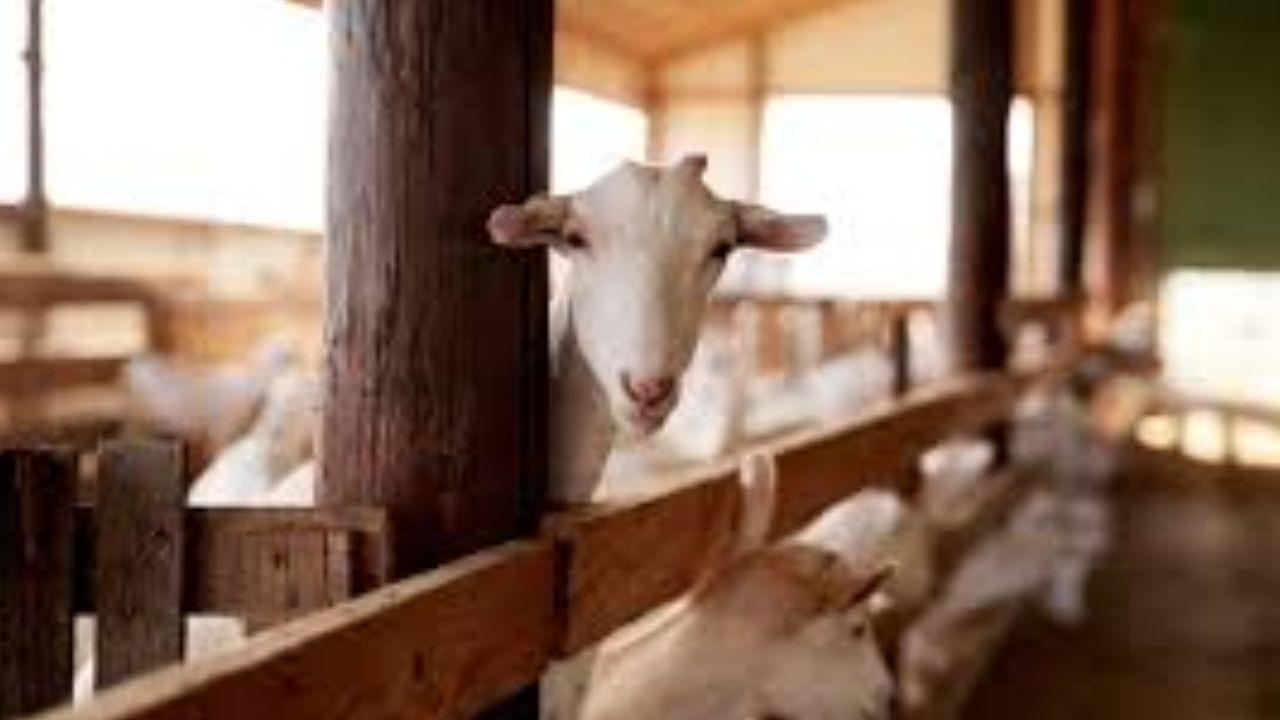
Photo:Reuters
In Cyprus, a small island country in the Mediterranean Sea, there is a special kind of cheese called Halloumi. It is very famous around the world. People in many countries love this cheese because of its taste and texture. It does not melt easily, so it is often grilled or fried. For many years, Halloumi has been one of the top food products made in Cyprus. But now, there is a big problem that is making farmers very worried. The number of animals that give milk for this cheese is going down, and that might lead to less Halloumi being made.
Why Halloumi Is So Important
Halloumi is not just any cheese. It is a big part of Cyprus's culture and economy. It is made using a mix of goat, sheep, and sometimes cow milk. The process has been passed down from one generation to another for hundreds of years. Many small farms across the country help produce this cheese, and thousands of people work in this business—from feeding the animals to making, packing, and selling the cheese.
Cyprus even got a special label from the European Union for Halloumi, which means that only cheese made in Cyprus using the traditional method can be called "Halloumi." This helps protect the product and makes it more valuable in the market.
What’s Going Wrong?
Recently, many farmers have started selling their goats and sheep to other countries. These animals are the main source of milk for Halloumi cheese. Countries like Saudi Arabia and Qatar are buying animals from Cyprus, offering higher prices than what local farmers can earn by keeping them for milk. Because of this, the number of milk-producing animals in Cyprus is falling fast.
Some farmers are happy to get quick money by selling the animals. But others are very concerned. They say that if this continues, there won't be enough milk left to make Halloumi. And that could hurt not just the cheese makers, but also many others who depend on this industry to earn a living.
Farmers Sound the Alarm
Andreas, a farmer from the village of Paphos, has been raising goats for over 20 years. He says he has never seen such a problem before. “People are selling their animals for good money, but they are not thinking about the future,” he says. “If we sell all our goats and sheep, how will we make milk? And without milk, there is no Halloumi.”
Many farmers like Andreas say they feel stuck. The price they get for milk is not very high, and feeding the animals has become expensive because the cost of animal food has gone up. On the other hand, foreign buyers are offering large sums of money to buy the animals. Some farmers feel they have no choice but to sell.
Cheese Makers Also Worried
The people who make the Halloumi cheese are also starting to feel the impact. They say that milk supplies are becoming tight. Maria, who works at a cheese-making unit near Nicosia, says, “Every week, we are getting less milk than before. We are afraid that soon we won’t have enough to meet the demand.”
She adds, “Halloumi is not just a product—it is part of who we are. If we lose this, it will be a huge loss for Cyprus.”
Exports May Suffer
Cyprus sends Halloumi to many countries, especially in Europe and the Middle East. It brings in a lot of money for the country. But if milk levels keep falling, the country may not be able to keep up with export orders. This could cause big problems for the economy.
Also, if Cyprus cannot produce enough Halloumi, other countries might try to copy the cheese and make their own versions. This would reduce the value of the original Halloumi made in Cyprus.
Government Steps In
The Cyprus government knows that the Halloumi cheese business is in trouble. Officials have started talking with farmers and other people in the dairy sector. They are looking for ways to solve the problem.
Some ideas include giving support to farmers who keep their animals for milk instead of selling them abroad. There are also talks about raising the price of milk so that farmers can make better money without having to sell their animals.
One official from the Ministry of Agriculture said, “We understand the importance of Halloumi for our country. We are working to protect it. But we also know that farmers need support. We must find a balance.”
A Call for Care
Animal experts are also warning that this is not just an economic issue. When animals are moved from one country to another, it can be stressful for them. The change in weather, food, and environment can affect their health. Cyprus has some breeds of goats and sheep that are special and adapted to the local weather. Losing them could hurt the country’s farming system in the long run.
The Road Ahead
Right now, Cyprus is at a turning point. The country must decide how to protect one of its most loved and valuable products. Halloumi is more than cheese—it is a symbol of Cyprus. But if the animals that give the milk for it keep being sold away, the cheese could slowly disappear.
People across the country are now discussing this issue. Farmers, cheese makers, government officials, and even regular citizens are realizing how serious the matter is. Some are calling for new laws to stop the mass selling of animals. Others are asking for better milk prices and stronger support for local farming.
Only time will tell what will happen. But one thing is clear—if Cyprus wants to keep Halloumi as its national pride, strong steps must be taken soon. Otherwise, the world might one day ask, “What happened to that delicious cheese from Cyprus?”
For now, the hope remains that the country will come together to protect its animals, its farmers, and its cheese. Because losing Halloumi would be more than just losing a food—it would be losing a part of Cyprus itself.










Mattel Revives Masters of the Universe Action Figures Ahead of Film Launch
Mattel is reintroducing Masters of the Universe figures in line with its upcoming film, tapping into

China Executes 11 Members of Criminal Clan Linked to Myanmar Scam
China has executed 11 criminals associated with the Ming family, known for major scams and human tra

US Issues Alarm to Iran as Military Forces Deploy in Gulf Region
With a significant military presence in the Gulf, Trump urges Iran to negotiate a nuclear deal or fa

Copper Prices Reach Unprecedented Highs Amid Geopolitical Turmoil
Copper prices soar to all-time highs as geopolitical tensions and a weakening dollar boost investor

New Zealand Secures First Win Against India, Triumph by 50 Runs
New Zealand won the 4th T20I against India by 50 runs in Vizag. Despite Dube's impressive 65, India