Post by : Bianca Suleiman
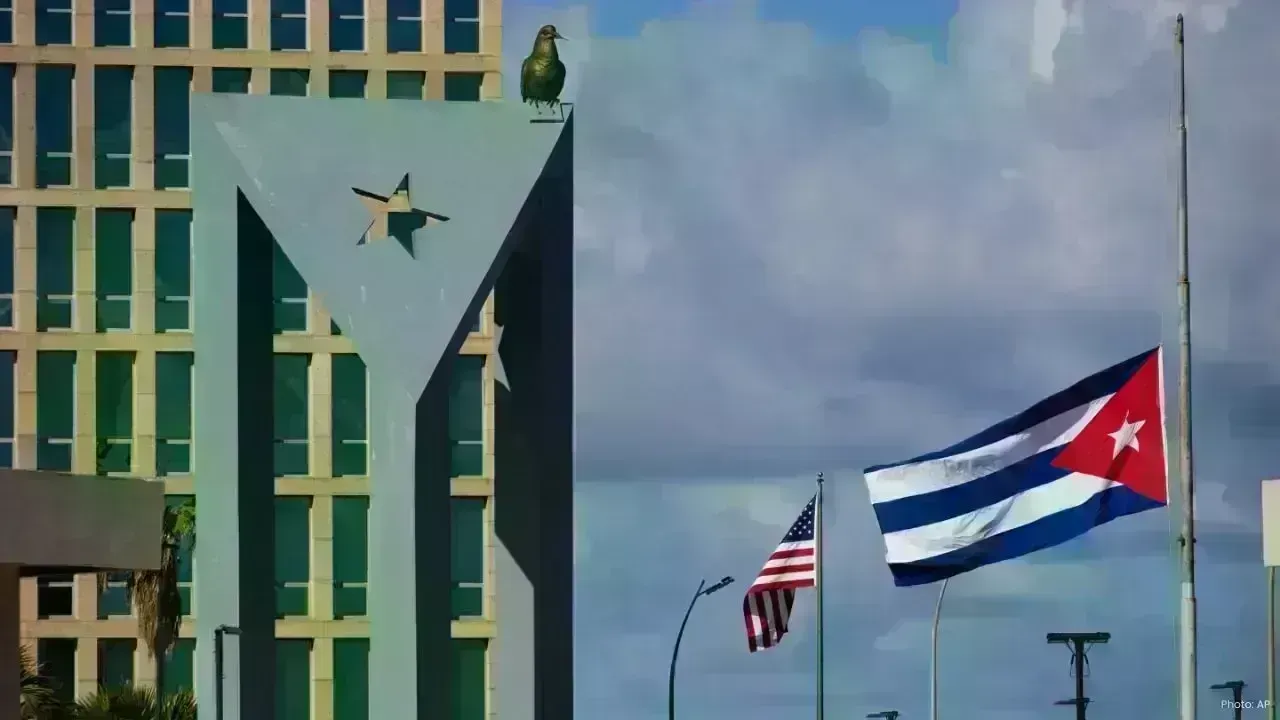
Flags were lowered at dawn across Cuba on Monday as the nation mourned the deaths of 32 security personnel reportedly killed in the U.S. strike in Venezuela. The atmosphere on the island was somber, compounded by a growing fear that major changes could complicate everyday life even further.
Historically, Venezuela has stood as Cuba's closest ally, with their bond extending beyond formal diplomacy. Cuban military and intelligence operatives have long been pivotal in Venezuela's security apparatus, often serving as personal protection for President Nicolás Maduro. In return, Venezuela supplied Cuba with crucial oil, sustaining its power supply, transportation, and fragile economy.
Now, that vital lifeline appears to be jeopardized.
Cuban officials reported that those who lost their lives were either attacked or killed during airstrikes on various facilities. Over the weekend, authorities in Havana vehemently condemned the U.S. action, labeling it as an act of “state terrorism.” Yet, beyond governmental rhetoric, many Cubans express deep anxiety about the future.
Years of shortages and frequent blackouts have already plagued daily life. Food scarcity and unreliable electricity are widespread. Amidst Maduro's capture and removal from Venezuela, questions loom over whether oil shipments that once alleviated these difficulties will come to an end.
In recent months, Maduro’s administration had been exporting approximately 35,000 barrels of oil per day to Cuba, which covered about a quarter of the island’s requirements. Even with that volume, blackouts were common; without it, the situation could deteriorate rapidly.
“I can’t talk. I have no words,” said 75-year-old Berta Luz Sierra Molina, tears streaming down her face. Others, however, voiced their determination. Sixty-three-year-old Regina Méndez declared her readiness to fight, stating, “Give me a rifle; we must stay strong.”
Alternatives are scarce. Cuba lacks the financial resources to procure oil in the global market. Mexico has already reduced its exports to the island. While Russia provides some oil, it falls short of compensating for Venezuela’s contribution, and its focus lies elsewhere. China could potentially assist, but that would likely necessitate significant economic reforms that the Cuban government is reluctant to embrace.
In Washington, President Donald Trump indicated that Maduro’s ousting is also aimed at further crippling Cuba’s economy, suggesting it is “going down for the count.”
Furthermore, Trump proposed the idea of revitalizing Venezuela’s oil industry with U.S. support, claiming that production could rapidly recover if businesses were reimbursed for their investments. However, even if this comes to fruition, it would require time—and may not guarantee oil flowing back to Cuba.
For now, the island stands in wait. Mourning, demonstrations, and speeches accompany an underlying, pervasive dread. Without the benefits of Venezuelan support, Cuba may soon confront its most challenging period in decades, marked more by empty fuel tanks and darkened homes than by political discord.


The Impact of Consistent Small Investments on Wealth Building
Discover how investing small amounts regularly can positively transform your financial future over t

7.5 Magnitude Earthquake Strikes Japan, Tsunami Alerts Issued
Japan experiences a hefty 7.5 quake, prompting tsunami alerts and safety measures. Stay updated on a
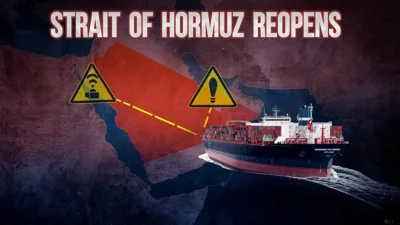
Reopening of the Strait of Hormuz: New Regulations to Impact Global Trade
Iran reopens the strategic Strait of Hormuz with new regulations affecting oil transport and global

Top 10 Must-See Attractions in NYC for First-Time Explorers
Discover essential experiences for first-time visitors to NYC, including attractions, culture, and i

Starbucks Engages Boyu Capital for Major Chinese Expansion
Starbucks teams up with Boyu Capital, selling a majority stake to boost growth and adapt to the Chin
Three Individuals Charged in Massive Meth Trafficking Case in Malaysia
In Malaysia, a married couple and another suspect are charged with trafficking 510kg of meth, facing