Post by : Sami Jeet
The COVID-19 pandemic has transformed many aspects of daily life, but it has also led to significant insights into immune functioning. Beyond their main role of preventing COVID-19, vaccines, especially mRNA varieties, have shown unexpected advantages in enhancing immune responses—raising hopes for their application in certain cancer treatments. Recent studies indicate that these vaccines might significantly assist some cancer patients in their fight against tumors, offering a promising direction for research in the fields of oncology and immunotherapy.
This article provides a thorough examination of the science behind, and the implications of, using COVID-19 vaccines for cancer care, designed for patients, families, and healthcare professionals.
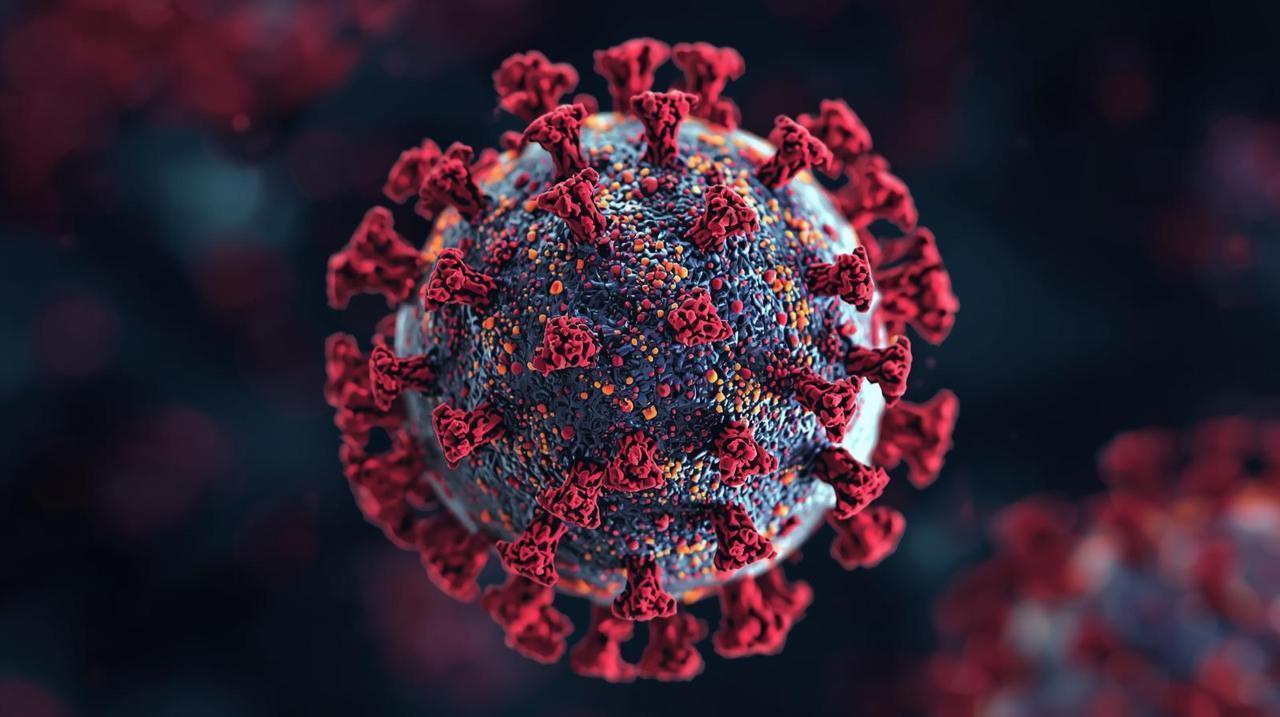
COVID-19 vaccines condition the immune system to identify and combat the SARS-CoV-2 virus. The leading vaccines, including Pfizer-BioNTech and Moderna, utilize mRNA technology to instruct cells to create a non-infectious fragment of the virus—specifically, the spike protein. This primes the immune system to recognize and respond to the actual virus upon future encounters.
B cell activation: Generates antibodies that neutralize viruses.
T cell activation: Targets and eliminates infected cells while fostering long-lasting immunity.
Memory immune cells: Store information to react more rapidly to subsequent infections.
Scientists have noted that these immune processes could similarly identify abnormal cancer cells, thereby potentially enhancing the body’s capability to detect and attack tumors.
Cancer cells frequently evade recognition by the immune system, allowing for unregulated tumor growth. Immunotherapy has revolutionized cancer management by stimulating or restoring immune functions. Treatment options like checkpoint inhibitors and CAR-T therapies have improved the immune system's capacity to target cancer cells.
COVID-19 vaccines may serve as an adjunct to these treatments by:
Enhancing T cell responses that can identify tumor cells.
Amplifying cytokine production to facilitate better communication among immune cells.
Improving overall immune surveillance, which may inhibit tumor progression.
Though these connections are still being explored, early results are encouraging, particularly for patients with specific blood cancers and solid tumors.
A number of initial studies and clinical insights have pointed to the potential dual advantages of COVID-19 vaccination for cancer patients:
Heightened Immune Activation: Vaccinated individuals displayed increased T cell activity, essential for targeting abnormal cells.
Synergy with Immunotherapy: Early trials combining vaccines and checkpoint inhibitors or other immunotherapies indicated greater tumor suppression.
Safety for Cancer Patients: Most individuals tolerated vaccinations well, experiencing side effects akin to the general population—mild fever, fatigue, or soreness at injection sites.
While these results are promising, experts urge that extensive longitudinal clinical studies are necessary to better understand the efficacy of vaccines against tumors.
Not all cancer patients may derive tumor-related benefits from COVID-19 vaccinations. Evidence suggests potential advantages for:
Individuals with hematologic cancers such as leukemia and lymphoma.
Those undergoing immunotherapy or treatments that preserve some level of immune response.
Patients whose immune systems remain adequately resilient despite chemotherapy or bone marrow transplants.
It is critical that patients consult with their oncologists to determine the optimal timing and appropriateness of vaccination in conjunction with existing cancer treatments.
Immunotherapies like checkpoint inhibitors function by releasing the immune system’s limitations. Vaccines may prepare immune cells, enhancing their effectiveness in discovering and destroying cancer cells.
The mRNA technology underlying COVID-19 vaccines could lay the groundwork for tailored cancer vaccines, targeting specific tumor antigens unique to each patient. Research is ongoing to assess whether this strategy can train the immune system for more targeted cancer attacks.
Cancer patients often face compromised immune systems, increasing their vulnerability to infections. Vaccines not only provide protection against COVID-19 but also bolster overall immune readiness, contributing indirectly to the body's ability to confront tumor growth.
Although vaccines are generally found to be safe for a majority of cancer patients, there are several considerations:
Patients undergoing chemotherapy or stem cell transplants may experience diminished vaccine effectiveness.
Timing is pivotal: vaccines may need to be administered during phases of immune restoration.
Side effects are commonly mild but should be monitored closely in individuals with weakened immunity.
Additional booster doses may be advised for optimal immune protection.
Healthcare providers underscore that vaccination should complement standard cancer care and not replace it.
Despite positive preliminary findings, several issues persist:
Limited understanding of the long-term tumor suppression effects.
Diversity in immune responses relates to cancer type, ongoing treatment, and individual health.
Establishing the ideal timing for vaccinations amid chemotherapy and immunotherapy.
Determining dosage and booster needs specifically for individuals with cancer.
Overcoming these hurdles will necessitate large-scale trials and collaboration among oncologists, immunologists, and vaccine researchers worldwide.
The anticipated tumor-fighting capabilities of COVID-19 vaccines might change the landscape of cancer treatment:
Enhancements to immunotherapy could lead to better outcomes.
mRNA technologies may facilitate next-gen personalized cancer vaccines.
Vaccination initiatives for cancer patients could boost overall immune resilience, mitigating infection-related complications.
The COVID-19 pandemic has accelerated advancements in vaccine technology, with potential ramifications for oncology that have never been seen before.
If you or someone you know is living with cancer, it is advisable to undertake the following:
Consult your oncologist prior to vaccination.
Maintain a well-balanced diet and lifestyle to bolster immune health.
Monitor side effects and immune responses alongside your healthcare team.
Stay informed about new research, since ongoing studies may fine-tune vaccination practices in cancer treatment.
Patients should perceive vaccination as an additional safeguard to their principal treatments, rather than a standalone solution.
The revelation that COVID-19 vaccines could assist some cancer patients in combating tumors signifies a groundbreaking step in both immunology and oncology. Although the primary goal of vaccines is to thwart viral infections, their role in steering immune responses presents exciting prospects for aiding cancer treatment.
As ongoing research unfolds, these insights might usher in innovative vaccine-directed cancer therapies, individualized immunotherapy strategies, and overall improved patient outcomes globally.
For cancer patients, the guiding principle is clear: consult your healthcare provider, keep current with findings, and adhere to standard treatment plans while considering the potential benefits of vaccination. With the immune system bolstered by vaccines, there is hope for a strengthened defense against cancer and higher survival rates.








Anticipated Dates for UAE Eid Al Adha 2026 Unveiled by Astronomical Experts
Experts predict Eid Al Adha 2026 in the UAE to start on May 27, prompting early holiday planning amo

DAE Achieves Remarkable Growth in Q1 2026 With Record Revenue
Dubai Aerospace Enterprise announces impressive financial results for Q1 2026, reflecting a surge in

Price Increase for Sony PS5 in Southeast Asia Effective May 1
Sony announces a price increase for the PS5 across Southeast Asia starting May 1, 2026, impacting ga

Potential ‘Super El Niño’ in 2026: Understanding the Climate Risks
Could a Super El Niño emerge in 2026? Discover its implications and potential global climate impacts

Global Energy Crisis Intensifies: Markets React to Oil Supply Challenges
Markets are on edge as oil disruptions escalate, influencing prices and economic stability. Explore

Must-See Tourist Spots in London You Can't Overlook
Explore London's essential attractions, from royal landmarks to vibrant markets, ensuring an unforge




