Post by : Saif Nasser
Pakistan’s defence industry is seeing a sharp rise in global attention after its fighter jets, drones, and weapons were used in real combat during last year’s conflict with India. This battlefield exposure has given Pakistan-made military equipment a strong credibility boost and has opened the door to serious talks with many potential buyers around the world.
According to defence sources, Pakistan is currently in discussions with around 13 countries about possible arms deals. Talks with six to eight of these nations have reached an advanced stage. The negotiations involve JF-17 Thunder fighter jets, produced jointly with China, as well as training aircraft, drones, missiles, and other defence systems.
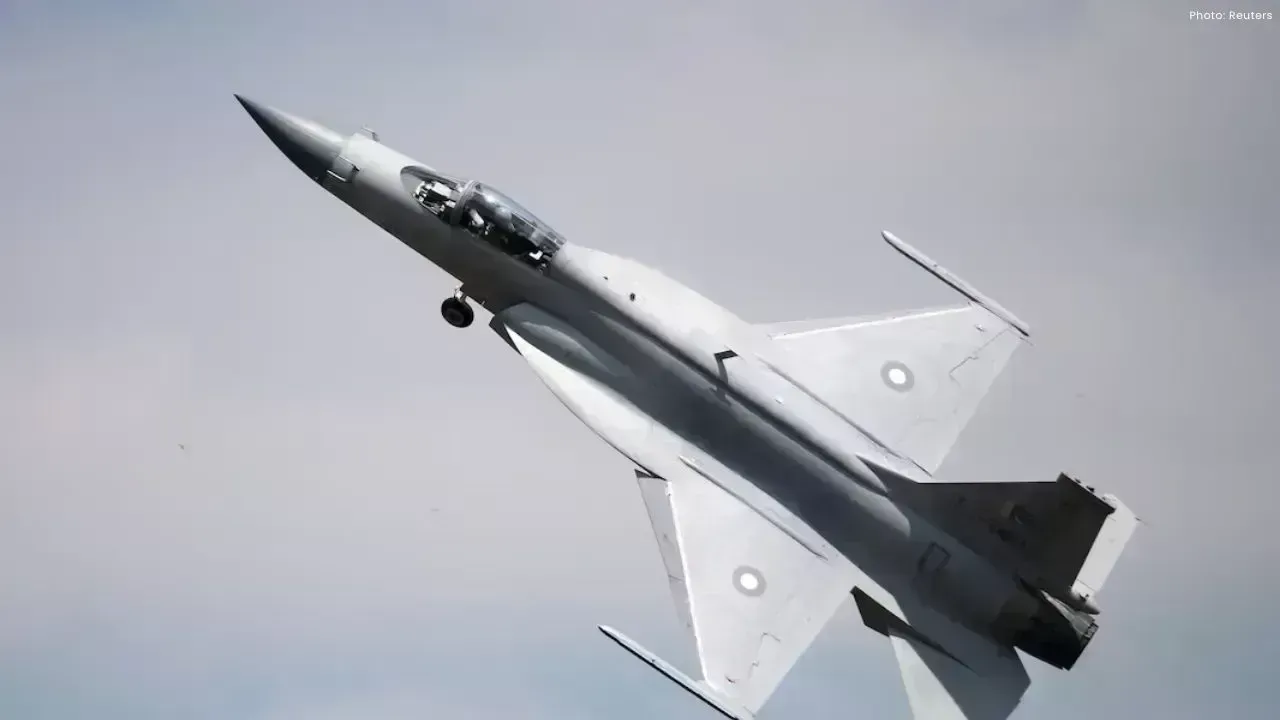
The JF-17 has become the backbone of Pakistan’s military export program. During the conflict, Pakistan deployed these jets in active operations, proving their performance under real conditions. Experts say this “combat-tested” status is highly valued by countries that want proven systems without paying the high prices charged by Western defence manufacturers.
Global supply problems have also played a major role in rising interest. Wars in Ukraine and the Middle East have strained defence supply chains, making it harder for many countries to receive weapons on time. As a result, buyers are looking for alternative suppliers who can deliver faster and at lower costs. Pakistan’s defence industry fits this need well.
Officials say interest has come from countries in the Middle East, Africa, and Asia, including Sudan, Saudi Arabia, Indonesia, Morocco, Ethiopia, Nigeria, Bangladesh, and Iraq. Many of these nations already share long-standing military or diplomatic ties with Pakistan, making cooperation easier.
One of the most notable discussions is with Bangladesh. Sources say the talks include fighter jets, drones, air defence systems, armoured vehicles, and training aircraft. If finalised, such a deal would mark a significant step in Pakistan’s growing role as a defence supplier.
To meet rising demand, Pakistan is expanding its production capacity. Defence officials say output of JF-17 jets could increase significantly by 2027 as factories are upgraded. Private companies are also becoming more involved, especially in drone production, where hundreds of units are already being built each year for military use.
Still, challenges remain. Some potential deals could face political pressure, especially where international arms restrictions apply. China’s approval is also important, as it is a key partner in several defence projects. Analysts caution that while interest is strong, not every discussion will result in a signed contract.
Even so, Pakistan’s growing defence exports show how real combat experience, affordable pricing, and flexible partnerships are helping the country emerge as an important player in the global arms market.










DAE Achieves Remarkable Growth in Q1 2026 With Record Revenue
Dubai Aerospace Enterprise announces impressive financial results for Q1 2026, reflecting a surge in

Price Increase for Sony PS5 in Southeast Asia Effective May 1
Sony announces a price increase for the PS5 across Southeast Asia starting May 1, 2026, impacting ga

Potential ‘Super El Niño’ in 2026: Understanding the Climate Risks
Could a Super El Niño emerge in 2026? Discover its implications and potential global climate impacts

Global Energy Crisis Intensifies: Markets React to Oil Supply Challenges
Markets are on edge as oil disruptions escalate, influencing prices and economic stability. Explore

Must-See Tourist Spots in London You Can't Overlook
Explore London's essential attractions, from royal landmarks to vibrant markets, ensuring an unforge

Ultimate Guide to Snagging Cheap Flights in 2026
Unlock the secrets to booking affordable flights in 2026 with insightful tips and strategies tailore




