Post by : Shweta
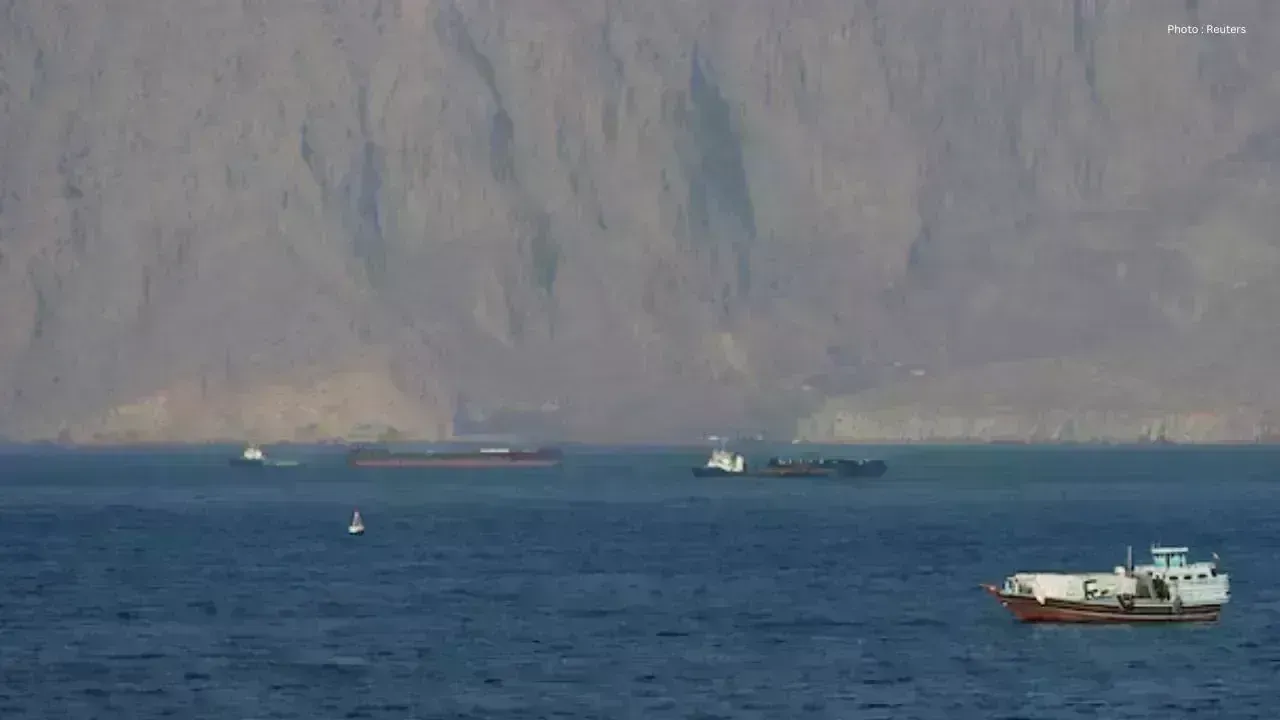
Concerns regarding global energy supplies are intensifying due to the ongoing closure of the Strait of Hormuz, particularly as tensions escalate between the United States, Israel, and Iran. This vital shipping route, which typically facilitates around 20% of the world's oil and refined fuels, remains shuttered despite earlier expectations of its reopening.
When the conflict erupted in late February, oil market participants speculated that the disruption would be temporary. Influenced by prior assertions from Donald Trump hinting at a swift return to normalcy, many believed that calm would soon return. However, the situation on the ground has proven to be rather different, with the strait still effectively inaccessible.
Recent fluctuations in the market indicate the precariousness of the situation. Initially, oil prices fell following reports of a potential reopening, but they surged again once it became apparent vessels were still unable to navigate safely. This unpredictability showcases growing skepticism regarding the timeline for restoring normal operations.
The closures appear to stem from sustained military provocations. While the United States has enforced a naval blockade on Iranian ports, Iranian forces are also attempting to curtail navigation through the strait. This dynamic fosters an environment where neither party is inclined to fully reopen the waterway without substantial political or military shifts.
The impact of this blockade is most prominently noted in Asia, where approximately 80% of oil transit through the strait is directed. Nations reliant on energy imports are now contending with supply difficulties, soaring costs, and escalating uncertainties about future energy availability.
Energy experts caution that prolonged closure could escalate into a more profound crisis. Supply chains are tightening physically, even as financial markets have displayed relative optimism thus far. The continuance of this disruption could exert significant pressure on global energy systems.
Furthermore, there are persistent concerns surrounding trust and governance. Uncertainties linger about the willingness of involved nations to engage in negotiations and whether any potential agreement to reopen the strait would hold. Absent cooperative efforts, the likelihood of further escalatory measures remains considerable.
In summary, although initial hopes existed that the Strait of Hormuz would quickly reopen, recent developments indicate that the situation may extend longer than anticipated. This ongoing unpredictability is likely to keep global oil markets under strain for the foreseeable future.







7.5 Magnitude Earthquake Strikes Japan, Tsunami Alerts Issued
Japan experiences a hefty 7.5 quake, prompting tsunami alerts and safety measures. Stay updated on a
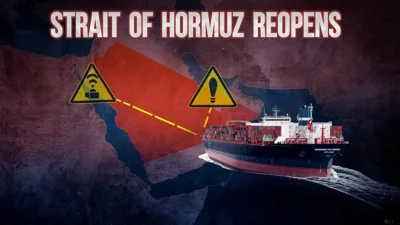
Reopening of the Strait of Hormuz: New Regulations to Impact Global Trade
Iran reopens the strategic Strait of Hormuz with new regulations affecting oil transport and global

Top 10 Must-See Attractions in NYC for First-Time Explorers
Discover essential experiences for first-time visitors to NYC, including attractions, culture, and i

Starbucks Engages Boyu Capital for Major Chinese Expansion
Starbucks teams up with Boyu Capital, selling a majority stake to boost growth and adapt to the Chin

Three Individuals Charged in Massive Meth Trafficking Case in Malaysia
In Malaysia, a married couple and another suspect are charged with trafficking 510kg of meth, facing