Post by : Raina Nasser
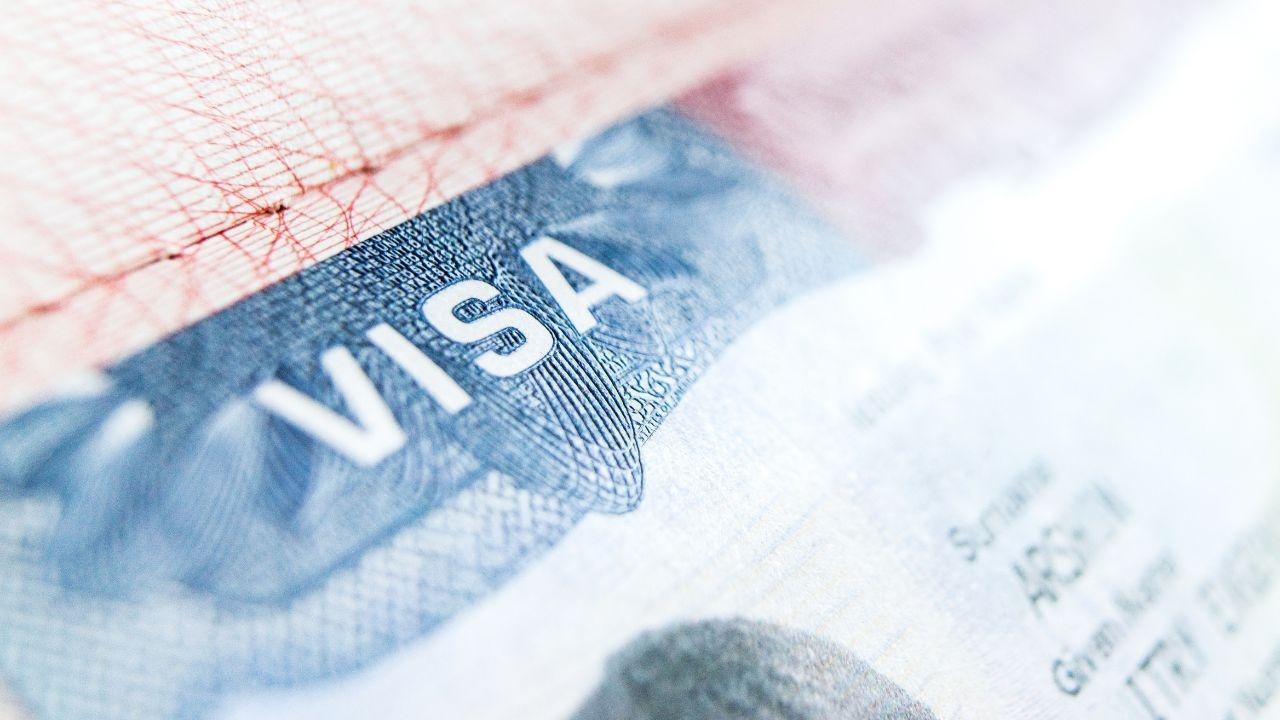
Beijing has launched its new K-visa initiative, strategically designed to attract international science and technology specialists, enhancing its competition with the United States for leading talent. Initiated last month, this program is part of China's wider ambition to boost its status in high-tech fields, such as artificial intelligence, robotics, and semiconductors.
The K-visa, comparable to the US H-1B visa, grants foreign experts the chance to work in China without the necessity of a pre-existing job offer, a notable flexibility compared to current visa regulations. This rollout occurs amid stricter US immigration policies, which have raised fees for H-1B applications, creating uncertainty for global workers and students.
Indian IT professional Vaishnavi Srinivasagopalan, who has had experience in both India and the US, is keen on the K-visa. “It presents a solid option for individuals like me to work internationally,” she expressed, viewing the program as a valuable opportunity within China's booming tech landscape.
China has historically witnessed a brain drain, as many of its brightest minds choose to stay in the US or Europe post-studies. Through the K-visa, Beijing aims to attract AI specialists, engineers, and researchers to address essential deficits in its domestic workforce.
Nevertheless, this program has incited discussions among the Chinese public. With youth unemployment hitting nearly 18% for those aged 16-24 (excluding students), some local job seekers fear that an influx of foreign talent might intensify competition in an already crowded job market. However, state media contend that these foreign professionals will enhance, rather than replace, local talent, thereby fostering innovation and economic growth.
Foreign applicants will still face hurdles, including compliance with China's language standards and navigating its internet censorship. Despite these issues, the K-visa is drawing substantial interest from India and Southeast Asia, highlighting China’s growing attractiveness as a technology destination.
Analysts predict that while the K-visa bolsters China's strategy to attract global talent, the US remains formidable due to its well-established research ecosystem, prevalence of English, and clearer routes to permanent residency. Experts indicate that mere visa policy adjustments may not suffice for China to fully compete with American tech advances.
Overall, China’s K-visa signifies a significant move in its quest for global talent, underlining Beijing’s resolve to address its skills shortages and attain competitive standing in technological innovation.








DAE Achieves Remarkable Growth in Q1 2026 With Record Revenue
Dubai Aerospace Enterprise announces impressive financial results for Q1 2026, reflecting a surge in

Price Increase for Sony PS5 in Southeast Asia Effective May 1
Sony announces a price increase for the PS5 across Southeast Asia starting May 1, 2026, impacting ga

Potential ‘Super El Niño’ in 2026: Understanding the Climate Risks
Could a Super El Niño emerge in 2026? Discover its implications and potential global climate impacts

Global Energy Crisis Intensifies: Markets React to Oil Supply Challenges
Markets are on edge as oil disruptions escalate, influencing prices and economic stability. Explore

Must-See Tourist Spots in London You Can't Overlook
Explore London's essential attractions, from royal landmarks to vibrant markets, ensuring an unforge

Ultimate Guide to Snagging Cheap Flights in 2026
Unlock the secrets to booking affordable flights in 2026 with insightful tips and strategies tailore




