Post by : Saif Nasser
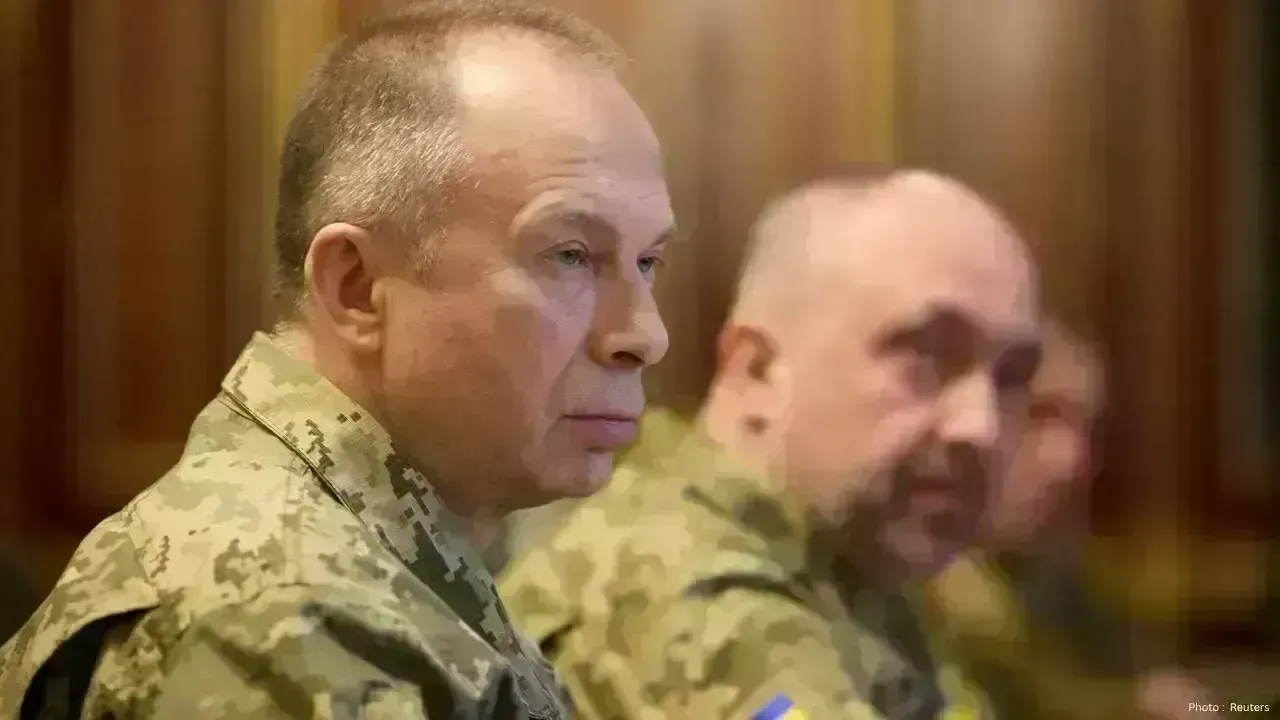
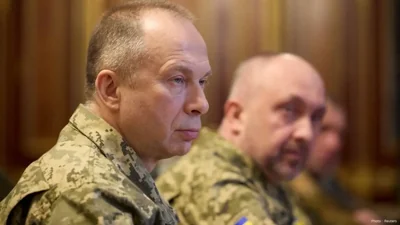
Ukraine’s military leadership has introduced a new rule to limit how long soldiers can stay on the frontline. The order has been given by Oleksandr Syrskyi and aims to protect soldiers from extreme stress and exhaustion during the ongoing war.
Under the new system, troops will serve for a fixed period on the frontline and then be rotated out within a short time. This step comes as the conflict continues for a long duration, with soldiers facing constant danger and pressure in active combat zones.
Life on the frontline is very difficult. Soldiers often spend long days and nights under threat, with little time to rest. Continuous exposure to such conditions can affect both physical health and mental well-being. Fatigue can also reduce focus and efficiency, which is risky during military operations.
One of the key reasons behind this decision is the changing nature of warfare. Modern battlefields are highly intense, with advanced weapons and technologies like drones creating constant risk. Soldiers do not get enough time to recover, making long deployments even more challenging.
By limiting the time spent in these conditions, the military hopes to keep troops healthier and more effective. Regular rotation allows soldiers to rest, recover, and prepare better for future duties. It also helps in maintaining morale, which is very important in long conflicts.
Another important factor is manpower management. As the war continues, maintaining a strong and ready force becomes more difficult. Long and exhausting deployments can reduce the number of soldiers able to serve effectively. The new system aims to manage this issue by ensuring that troops are not overworked.
This decision also shows a focus on the human side of war. Soldiers are not just fighters; they are individuals who need rest, care, and support. Taking steps to protect their well-being can improve both their performance and their long-term health.
However, implementing such a system is not easy. Rotating troops requires proper planning and coordination. New soldiers must be trained and ready to take over positions quickly. Any delay or gap in this process can create challenges on the battlefield.
The ongoing conflict remains intense, and both sides continue to face heavy pressure. While this new rule may not change the course of the war directly, it can improve how soldiers cope with its demands.
For families of soldiers, this move may bring some comfort. Knowing that their loved ones will not stay in high-risk areas for too long can reduce worry and stress.
This step reflects a broader understanding that modern warfare is not only about strength and strategy, but also about endurance and care. Managing human resources wisely has become just as important as managing weapons and tactics.
As the situation continues to evolve, such measures may play a key role in shaping how military forces operate in long-term conflicts.




DAE Achieves Remarkable Growth in Q1 2026 With Record Revenue
Dubai Aerospace Enterprise announces impressive financial results for Q1 2026, reflecting a surge in

Price Increase for Sony PS5 in Southeast Asia Effective May 1
Sony announces a price increase for the PS5 across Southeast Asia starting May 1, 2026, impacting ga

Potential ‘Super El Niño’ in 2026: Understanding the Climate Risks
Could a Super El Niño emerge in 2026? Discover its implications and potential global climate impacts

Global Energy Crisis Intensifies: Markets React to Oil Supply Challenges
Markets are on edge as oil disruptions escalate, influencing prices and economic stability. Explore

Must-See Tourist Spots in London You Can't Overlook
Explore London's essential attractions, from royal landmarks to vibrant markets, ensuring an unforge

Ultimate Guide to Snagging Cheap Flights in 2026
Unlock the secrets to booking affordable flights in 2026 with insightful tips and strategies tailore




