Post by : Shweta
In a significant move, China is reactivating a crucial project aimed at converting coal to gas, prompted by ongoing upheaval in global energy markets due to escalating tensions in the Middle East. This reflects the broad impact of geopolitical conflicts on energy strategies worldwide.
Initially launched in 2011 with a budget of $3.7 billion, the Fuxin project faced a halt in 2014 due to various challenges, including environmental concerns, excessive costs, and technical hurdles. Authorities now believe that recent shifts in the market have made the project more feasible than ever before.
This revival arrives amidst a backdrop of conflict between the United States, Israel, and Iran, which has led to significant disruptions in global energy flows, particularly affecting natural gas supplies. Damage to critical infrastructure in the Gulf region has resulted in gas supply uncertainties, necessitating that major importers like China explore alternative avenues.
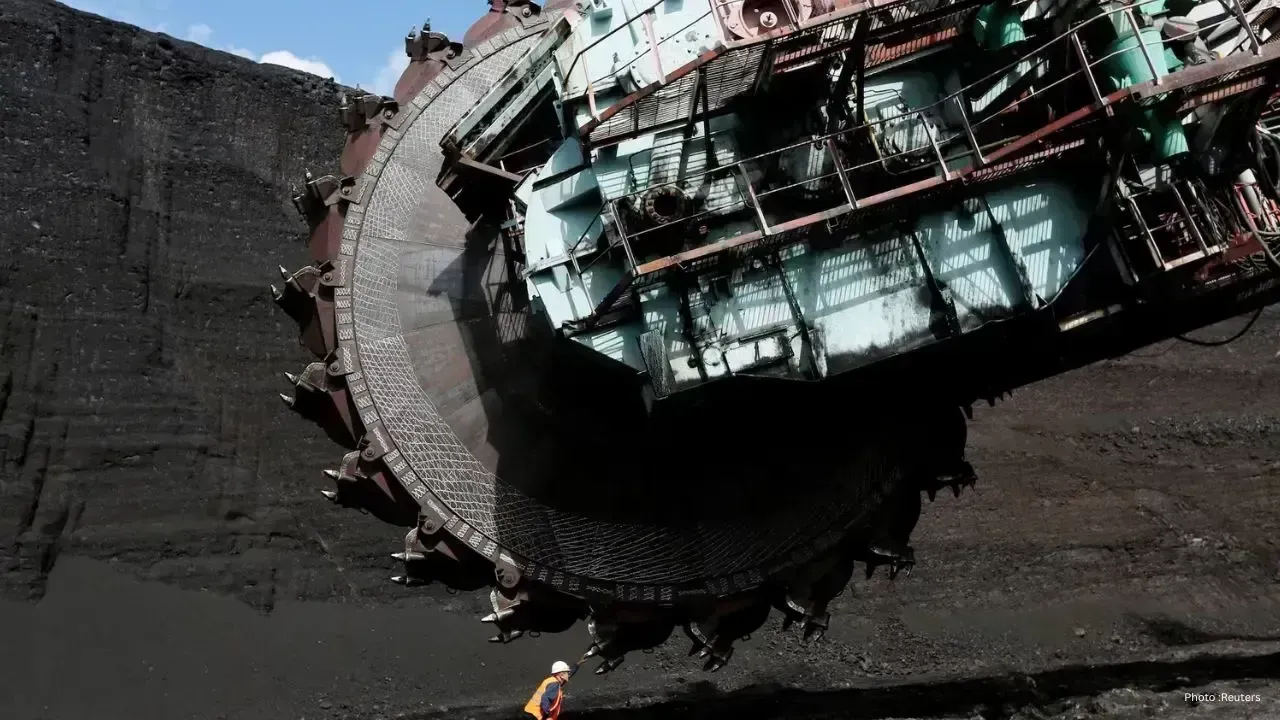
While China boasts substantial coal reserves, its natural gas supply has been compromised due to ongoing global supply chain issues. By transitioning coal into synthetic gas, the nation aims to lessen its reliance on imports and enhance its energy security. This initiative also optimizes the use of its existing coal resources.
Currently, there are approximately 13 coal-to-gas initiatives either being constructed or planned across China. If these projects reach completion, the nation's synthetic gas production could surge to seven times its current capacity, potentially exceeding 52 billion cubic meters and covering roughly 12% of its total gas supply.
Nevertheless, these endeavors face scrutiny from environmental advocates who stress that coal-to-gas methods can emit significant carbon levels and require extensive water resources. Despite these concerns, China actively seeks a balance between its energy requirements by investing in both traditional fuels such as coal and renewable resources.
As the leading force in global coal consumption, China is set to introduce many new coal-powered plants by 2026, predominantly accounting for similar initiatives worldwide. Beyond electricity generation, coal is also integral for producing gas, liquid fuels, and various chemicals in China.
The decision to revitalize the Fuxin project highlights how energy security can sometimes take precedence over environmental considerations, particularly during periods of global instability. With supply chains continuously affected by international conflicts, nations like China are quickly adapting to secure reliable energy resources going forward.









7.5 Magnitude Earthquake Strikes Japan, Tsunami Alerts Issued
Japan experiences a hefty 7.5 quake, prompting tsunami alerts and safety measures. Stay updated on a

Reopening of the Strait of Hormuz: New Regulations to Impact Global Trade
Iran reopens the strategic Strait of Hormuz with new regulations affecting oil transport and global

Top 10 Must-See Attractions in NYC for First-Time Explorers
Discover essential experiences for first-time visitors to NYC, including attractions, culture, and i

Starbucks Engages Boyu Capital for Major Chinese Expansion
Starbucks teams up with Boyu Capital, selling a majority stake to boost growth and adapt to the Chin

Three Individuals Charged in Massive Meth Trafficking Case in Malaysia
In Malaysia, a married couple and another suspect are charged with trafficking 510kg of meth, facing