Post by : Saif Nasser
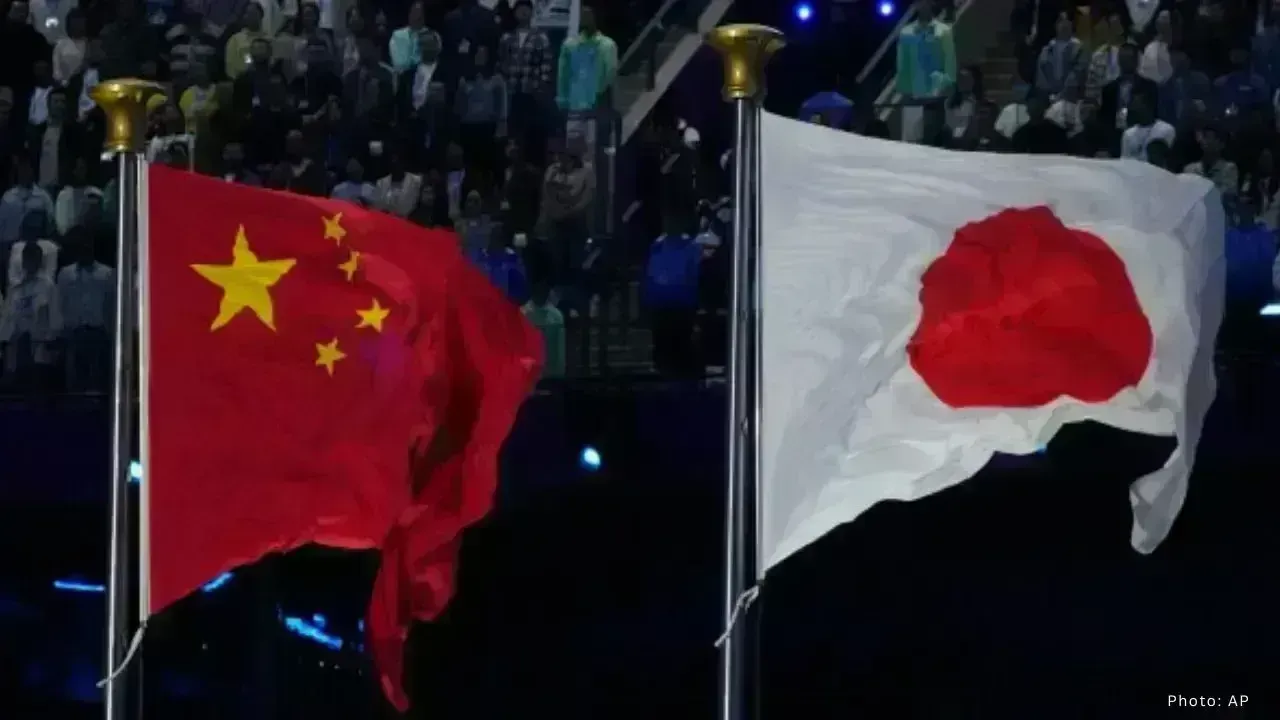
China and Japan, two major powers in East Asia, are facing renewed tensions as 2026 begins. Their relationship has long been complicated by history, trade, and security concerns. This week, China criticized Japan for its statements about Taiwan and imposed new trade restrictions, raising worries about rising rivalry in the region.
The current tensions began when Japan’s Prime Minister, Sanae Takaichi, said that Japan could use its military if China acted against Taiwan. China strongly condemned the statement, saying it interfered in China’s internal affairs and threatened regional peace. China has also focused on Japan’s military actions and history, pointing to past wars and occupation in China.
Trade has become another area of conflict. China imposed restrictions on “dual-use exports” to Japan, which are products that could be used for military purposes. This includes goods like advanced technology and possibly rare earth materials. China also launched an investigation into the drop in the price of dichlorosilane, a gas used in computer chip production imported from Japan, citing harm to Chinese industry. Japan called these measures “absolutely unacceptable and deeply regrettable.”
History continues to play a key role in the disputes. China frequently reminds Japan to reflect on its past aggression during the early 20th century, including its occupation of parts of China and wartime actions. Reports from Chinese institutions have also highlighted concerns about Japan’s right-wing forces and potential nuclear ambitions, further inflaming tensions.
At the same time, China has been strengthening ties with another neighbor, South Korea. South Korean President Lee Jae Myung visited Beijing for four days, signing agreements on trade, technology, and environmental cooperation. China has also encouraged tourism to South Korea over Japan, highlighting a clear shift in regional partnerships.
The tensions are unlikely to ease soon. Japan continues to strengthen its defense capabilities, while China remains wary of any perceived threats to its sovereignty. With both nations holding historical grievances and modern strategic interests, East Asia faces a delicate and unstable situation. Analysts say that without strong diplomatic efforts, these tensions could continue to rise, affecting regional security and economic relations.
In summary, the China-Japan relationship remains fragile. Old rivalries, military concerns, and trade disputes continue to drive friction, while China’s closer engagement with South Korea adds a new dimension to regional diplomacy. The situation highlights the complex balance of power and history in East Asia.










The Impact of Consistent Small Investments on Wealth Building
Discover how investing small amounts regularly can positively transform your financial future over t

7.5 Magnitude Earthquake Strikes Japan, Tsunami Alerts Issued
Japan experiences a hefty 7.5 quake, prompting tsunami alerts and safety measures. Stay updated on a

Reopening of the Strait of Hormuz: New Regulations to Impact Global Trade
Iran reopens the strategic Strait of Hormuz with new regulations affecting oil transport and global

Top 10 Must-See Attractions in NYC for First-Time Explorers
Discover essential experiences for first-time visitors to NYC, including attractions, culture, and i

Starbucks Engages Boyu Capital for Major Chinese Expansion
Starbucks teams up with Boyu Capital, selling a majority stake to boost growth and adapt to the Chin

Three Individuals Charged in Massive Meth Trafficking Case in Malaysia
In Malaysia, a married couple and another suspect are charged with trafficking 510kg of meth, facing