Post by : Bianca Suleiman
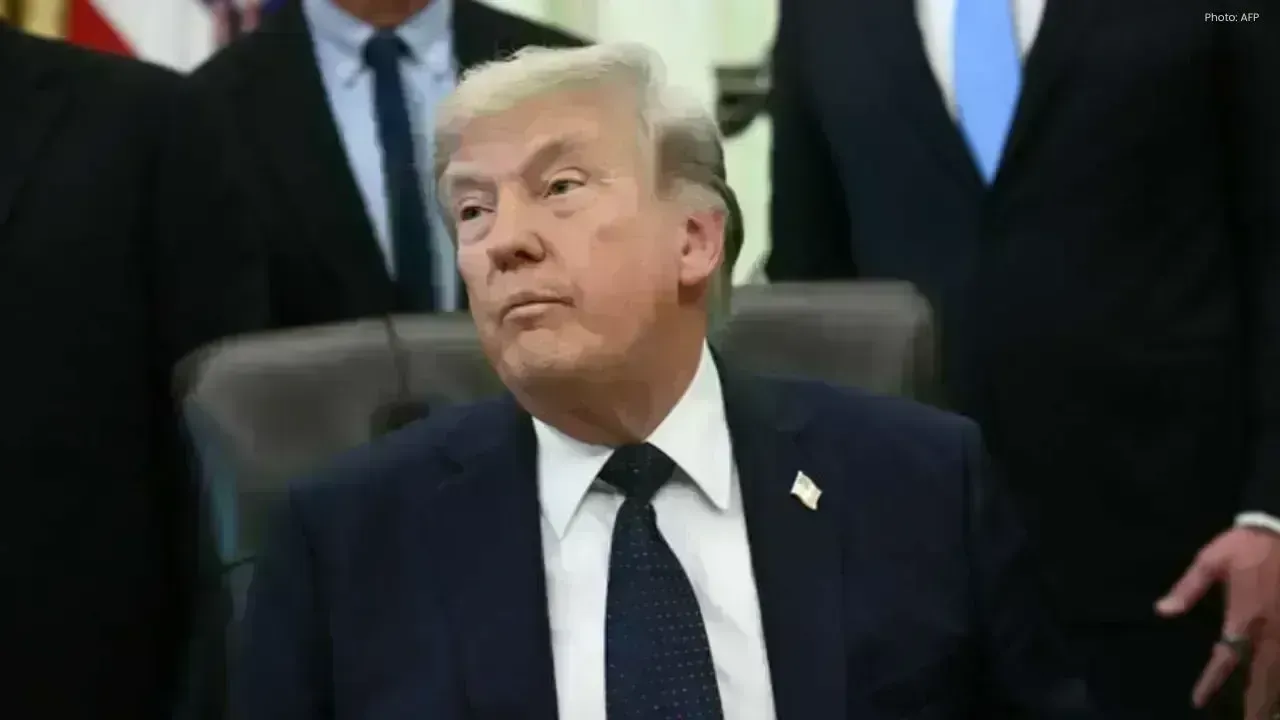
Following discussions held at the White House, a ceasefire between Israel and Lebanon has been prolonged for an additional three weeks. This extension comes as US President Donald Trump expresses his commitment to negotiations for a lasting peace in the region.
The ongoing conflict involving Israel and Hezbollah is a significant hurdle in achieving broader regional peace, which has persisted for over two months. Additionally, rising tensions with Iran related to its nuclear ambitions and control over the critical shipping lane of the Strait of Hormuz contribute to the complex situation.
Trump underscored that the United States is in no rush to finalize peace arrangements, aiming instead for a deal that would endure. He emphasized the US's strong standing amid the ongoing naval tensions in the Strait of Hormuz.
The situation in this vital passage remains charged, especially after Iran recently commandeered two substantial cargo vessels, intensifying global concerns regarding shipping safety and oil supply. Consequently, oil prices have surged, with both Brent and US crude rising by over 1% following the latest developments.
Iran's military strategy has shifted to employing smaller, agile vessels that challenge US naval forces, despite claims of American dominance in the region. This tactic indicates Iran's sustained capability to disrupt maritime operations.
Iranian Supreme Leader Mojtaba Khamenei dismissed narratives about instability within the Iranian leadership, stating that such claims are part of an adversarial propaganda effort, and asserting Iran's internal unity.
The ongoing conflict has also sparked tensions between the United States and its NATO allies, with concerns that some nations are not fully backing US military initiatives. Reports suggest that Washington might take action against those countries lacking military collaboration.
Trump has opted to indefinitely extend the ceasefire with Iran to facilitate ongoing peace discussions; however, no official timelines for direct meetings have been established, and he has ruled out the deployment of nuclear weapons, noting that conventional arms have already caused grave damage to Iran.
Despite the ceasefire’s extension, clashes have persisted in southern Lebanon. Israeli forces conducted airstrikes aimed at Hezbollah positions, resulting in the deaths of three fighters. In retaliation, Hezbollah has launched rocket and drone assaults on Israeli forces in northern Israel.
Local sources confirmed that Lebanese journalist Amal Khalil was among those fatalities reported this week.
Prior to the ceasefire extension, Israel had signaled readiness to resume military actions against Iran, contingent upon US approval.







Global Energy Crisis Intensifies: Markets React to Oil Supply Challenges
Markets are on edge as oil disruptions escalate, influencing prices and economic stability. Explore

Must-See Tourist Spots in London You Can't Overlook
Explore London's essential attractions, from royal landmarks to vibrant markets, ensuring an unforge

Ultimate Guide to Snagging Cheap Flights in 2026
Unlock the secrets to booking affordable flights in 2026 with insightful tips and strategies tailore

The Impact of Consistent Small Investments on Wealth Building
Discover how investing small amounts regularly can positively transform your financial future over t

7.5 Magnitude Earthquake Strikes Japan, Tsunami Alerts Issued
Japan experiences a hefty 7.5 quake, prompting tsunami alerts and safety measures. Stay updated on a
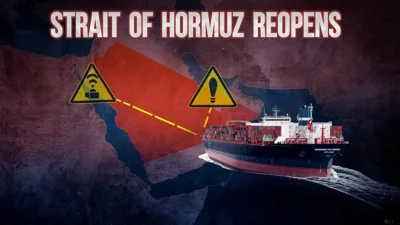
Reopening of the Strait of Hormuz: New Regulations to Impact Global Trade
Iran reopens the strategic Strait of Hormuz with new regulations affecting oil transport and global