Post by : Mina Rahman
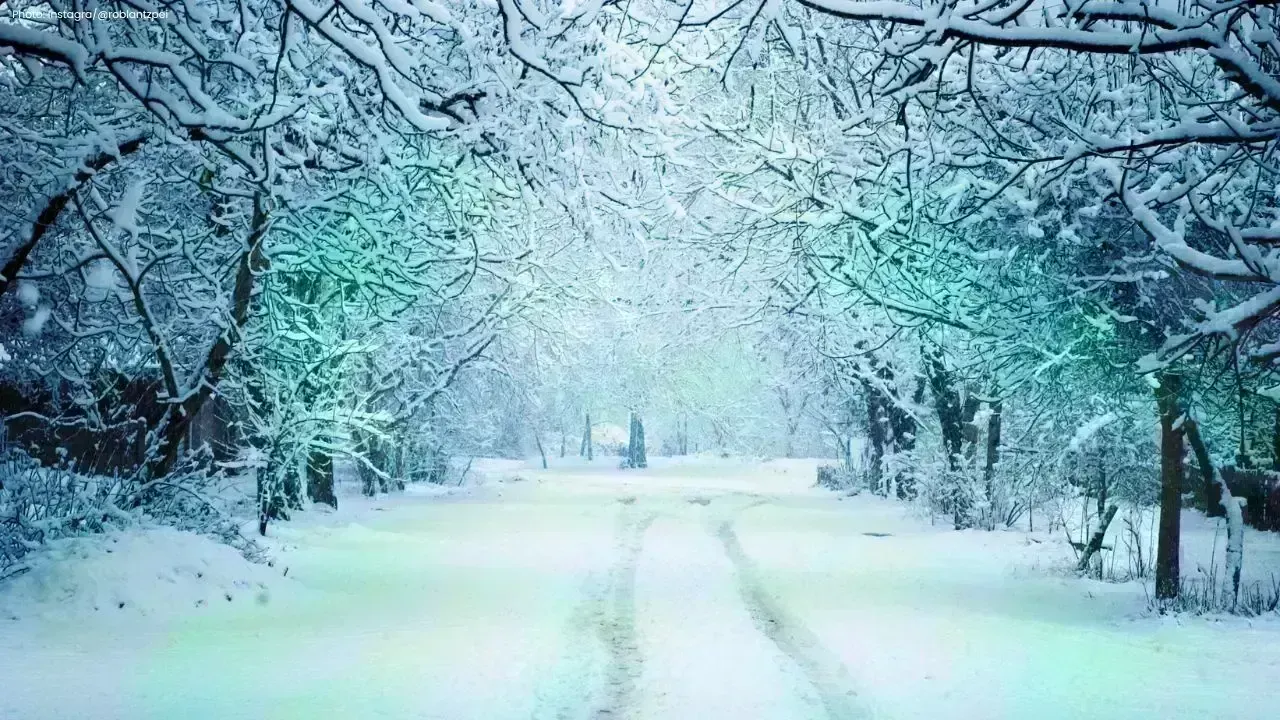
Canada is gearing up for a winter filled with uncertainty, as experts reveal that a weak La Niña coupled with climate change is making long-range weather predictions particularly challenging.
Analysts indicate that the eastern Arctic is showing the clearest signals, predicting temperatures from December to February that will likely exceed seasonal averages. This warming trend is expected to affect much of Nunavut, the Hudson Bay area, as well as northern Quebec and Labrador.
Regions within the Yukon, Northwest Territories, and parts of Nova Scotia may see colder conditions than usual, while areas along British Columbia’s coast, eastern Nova Scotia, and sections of Newfoundland are anticipated to experience near-normal temperatures.
Conversely, much of western and central Canada—including B.C., Alberta, Saskatchewan, Manitoba, and large segments of Ontario and Quebec—will be left without definitive forecasts. Experts highlight that the lack of strong indicators suggests the winter could take many forms.
This uncertainty is attributed to the conflicting impacts of La Niña's typical cooling effects against the ongoing warming due to climate change. Although early cold spells in western Canada align with La Niña characteristics, the overarching warming trend is significantly reducing La Niña’s influence and leading to less confidence in the forecasts.
Furthermore, researchers warn that the exceptionally warm ocean waters this year might lead to more intense winter storms, particularly those originating in the Pacific and traveling towards central Canada.
Precipitation forecasts predict above-average snowfall or rainfall for northern and western regions, including Alberta, Saskatchewan, B.C., and Yukon. Meanwhile, confidence levels for the rest of the country remain low.
To enhance understanding of extreme weather patterns, climate scientists have improved Canada's rapid weather attribution system to assess events such as heavy rain, ice storms, hail, and snow. Findings indicate that virtually all significant precipitation events since mid-2025 have been intensified by human-induced climate change.
This upgraded system aims to assist Canadians in grasping how global warming is impacting everyday weather and the severe storms increasingly affecting communities and their infrastructure.









Top 10 Must-See Attractions in NYC for First-Time Explorers
Discover essential experiences for first-time visitors to NYC, including attractions, culture, and i

Starbucks Engages Boyu Capital for Major Chinese Expansion
Starbucks teams up with Boyu Capital, selling a majority stake to boost growth and adapt to the Chin

Three Individuals Charged in Massive Meth Trafficking Case in Malaysia
In Malaysia, a married couple and another suspect are charged with trafficking 510kg of meth, facing

Singapore Police Revisit Geylang Murder Scene with Suspect
In Geylang, police return a murder suspect to the scene of a crime involving the fatal stabbing of a

Mattel Revives Masters of the Universe Action Figures Ahead of Film Launch
Mattel is reintroducing Masters of the Universe figures in line with its upcoming film, tapping into