Post by : Shweta
In Canada, health professionals are raising alarms about a significant rise in tick-related illnesses attributable to warmer temperatures and shifting weather patterns that enable disease-carrying ticks to flourish in new regions. Reports indicate an uptick in Lyme disease and various other tick-borne infections, particularly in provinces such as Ontario, Quebec, New Brunswick, Nova Scotia, and the Western parts of the country.
Experts highlight that ticks have expanded beyond limited forested areas and the summer season. Milder winters are enabling longer activity periods for ticks throughout the year, thereby heightening risks for human exposure. Notably, some tick species are migrating to parts of Canada where they were previously rare.
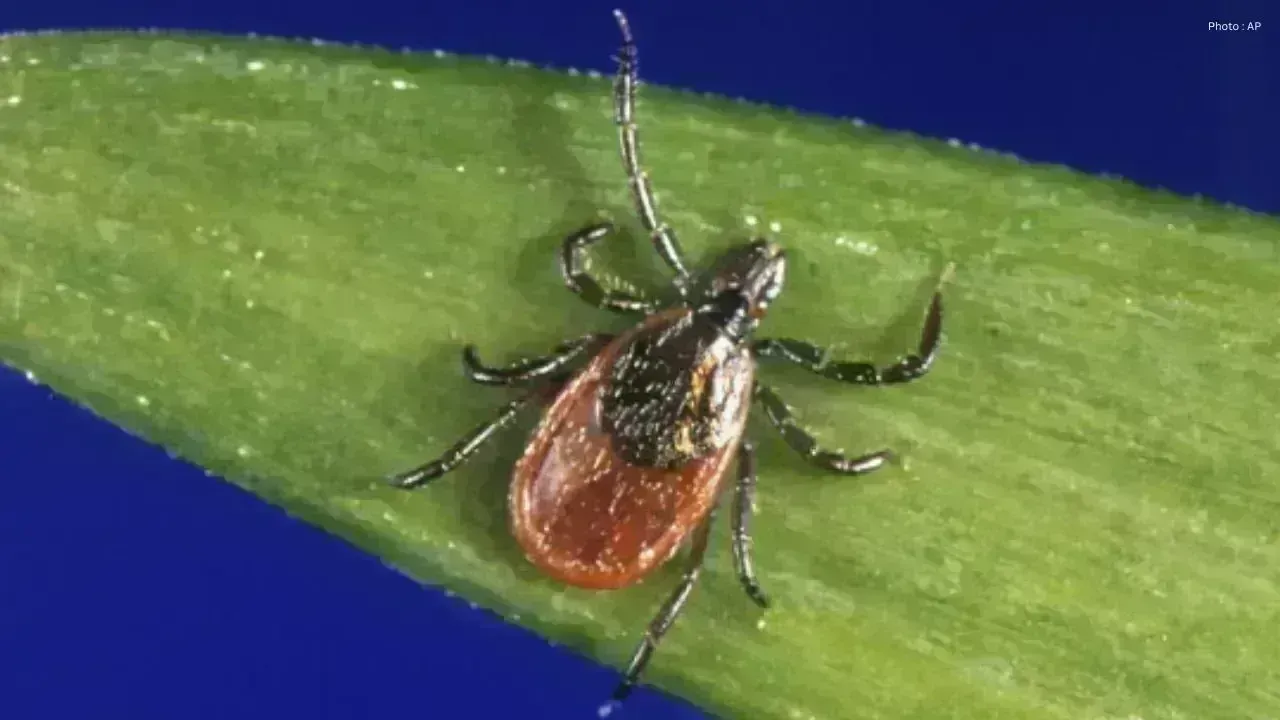
Black-legged ticks, commonly known as deer ticks, are identified as primary vectors for Lyme disease in Canada. Additionally, these ticks can transmit serious infections such as anaplasmosis, babesiosis, and Powassan virus disease. Authorities emphasize that these conditions pose a growing public health dilemma, linked to the surge in tick populations and increased human interaction with tick-prone environments.
High-risk groups include outdoor workers, hikers, campers, farmers, pet owners, and anyone frequented by woods or tall grass. Ticks are often located in overgrown grass, bushes, forests, parks, and some residential backyards. Health units in Ontario have reported a notable increase in tick populations when compared to previous years.
Data from the U.S. Centers for Disease Control and Prevention indicates that emergency room visits for tick bites have surged to their highest point since 2017 in various regions. Canadian researchers are observing similar patterns with the rise of tick-borne illnesses.
Early symptoms of diseases transmitted by ticks may manifest as fever, fatigue, headaches, muscle pain, rashes, chills, and joint pain. In severe cases, untreated infections could impact the nervous system, heart, liver, or brain. Timely diagnosis and treatment of Lyme disease can lead to effective outcomes, although delays in care can cause long-term health issues.
To mitigate risks, public health officials encourage Canadians to implement preventive strategies when outdoors. This includes wearing long-sleeve, full-length pants, and light-colored apparel to make ticks more visible. It's also advised to apply insect repellents containing DEET, remain on cleared footpaths, and carefully inspect bodies, clothing, and pets for ticks following outdoor activities.
Prompt removal of ticks can notably lessen the chance of infection, as many diseases are transmitted only after prolonged attachment. Health authorities recommend seeking medical advice for any symptoms following a tick bite or for any unusual rashes observed.
Experts attribute the widening tick presence in Canada to climate change, increasing wildlife numbers, and altering ecosystems. They warn that without enhanced public awareness and preventive measures, the situation is likely to escalate in the future.










Meta Unveils Subscription Plans for Instagram, Facebook, and WhatsApp
Meta introduces new subscription plans for users of Instagram, Facebook, and WhatsApp, featuring enh

Suvarna Joy on Education Leadership, Resilience, and Building Purpose Through Adversity in the UAE
Suvarna Joy shares her journey of education leadership, motherhood, faith, and resilience within the

Anticipated Dates for UAE Eid Al Adha 2026 Unveiled by Astronomical Experts
Experts predict Eid Al Adha 2026 in the UAE to start on May 27, prompting early holiday planning amo

DAE Achieves Remarkable Growth in Q1 2026 With Record Revenue
Dubai Aerospace Enterprise announces impressive financial results for Q1 2026, reflecting a surge in

Price Increase for Sony PS5 in Southeast Asia Effective May 1
Sony announces a price increase for the PS5 across Southeast Asia starting May 1, 2026, impacting ga

Potential ‘Super El Niño’ in 2026: Understanding the Climate Risks
Could a Super El Niño emerge in 2026? Discover its implications and potential global climate impacts




