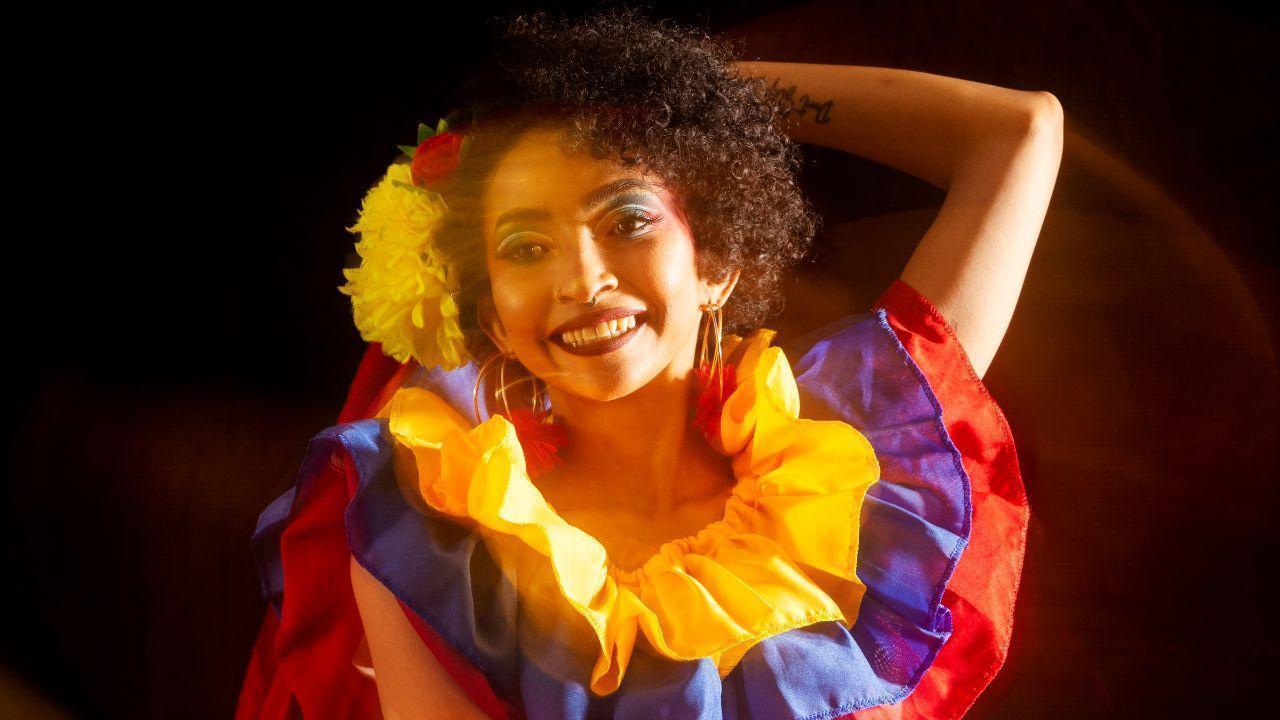
Post by : Vansh
In every corner of the world, human beings communicate through more than just spoken or written language. Culture and artistic expressions serve as profound ways to share identity, history, and imagination. They are more than creative outlets—they are living testaments of collective memory and evolving traditions. From music and dance to literature and painting, artistic expressions reveal how communities preserve values and shape future generations.
At its heart, culture represents the shared beliefs, customs, and practices that define a community. It provides a sense of belonging and continuity, linking people across time. Language, clothing, rituals, and celebrations are cultural markers that make societies unique. Without culture, human existence would lose the layers of meaning that give life richness.
Yet, culture is not stagnant. It evolves with changing circumstances, adapting to new generations and global influences. This flexibility makes it both a foundation of identity and a dynamic force of innovation.
When we look at artistic expressions, we see the reflections of society’s deepest emotions, struggles, and triumphs. A painting can tell a story of oppression and resilience. A dance can embody freedom and unity. Music can cross borders, carrying messages that words cannot capture. Artistic expressions allow individuals to share their perspectives while contributing to collective identity.
Throughout history, art has played a central role in shaping movements, breaking barriers, and giving marginalized communities a platform to be heard. For example, African American spirituals were not only songs but powerful forms of cultural resistance. Similarly, Indigenous art preserves ancestral wisdom, ensuring that traditions are never lost.
One of the most fascinating aspects of artistic expressions is their universality. While languages divide people, art unites them. A melody, a mural, or a performance transcends linguistic boundaries, enabling people from different backgrounds to connect emotionally. This universality is why art is often referred to as the universal language of humanity.
Artistic expressions often succeed where words fail. They capture nuances, emotions, and unspoken truths, creating deeper understanding between individuals and cultures. This power has made art essential in diplomacy, education, and community building.
The views and opinions expressed in this article are intended solely for informational purposes and do not necessarily reflect the official stance of GCC news network. Readers are encouraged to explore multiple perspectives and engage critically with the subject matter for a deeper understanding.



Anticipated Dates for UAE Eid Al Adha 2026 Unveiled by Astronomical Experts
Experts predict Eid Al Adha 2026 in the UAE to start on May 27, prompting early holiday planning amo

DAE Achieves Remarkable Growth in Q1 2026 With Record Revenue
Dubai Aerospace Enterprise announces impressive financial results for Q1 2026, reflecting a surge in

Price Increase for Sony PS5 in Southeast Asia Effective May 1
Sony announces a price increase for the PS5 across Southeast Asia starting May 1, 2026, impacting ga

Potential ‘Super El Niño’ in 2026: Understanding the Climate Risks
Could a Super El Niño emerge in 2026? Discover its implications and potential global climate impacts

Global Energy Crisis Intensifies: Markets React to Oil Supply Challenges
Markets are on edge as oil disruptions escalate, influencing prices and economic stability. Explore

Must-See Tourist Spots in London You Can't Overlook
Explore London's essential attractions, from royal landmarks to vibrant markets, ensuring an unforge




