Post by : Saif Nasser
Australia’s cultural and political debate has taken a sharp turn after a major arts festival decided to bar a Palestinian author from its program following the deadly Bondi Beach attack. The decision has sparked strong backlash, leading to resignations, author withdrawals, and renewed concerns about free speech and discrimination.
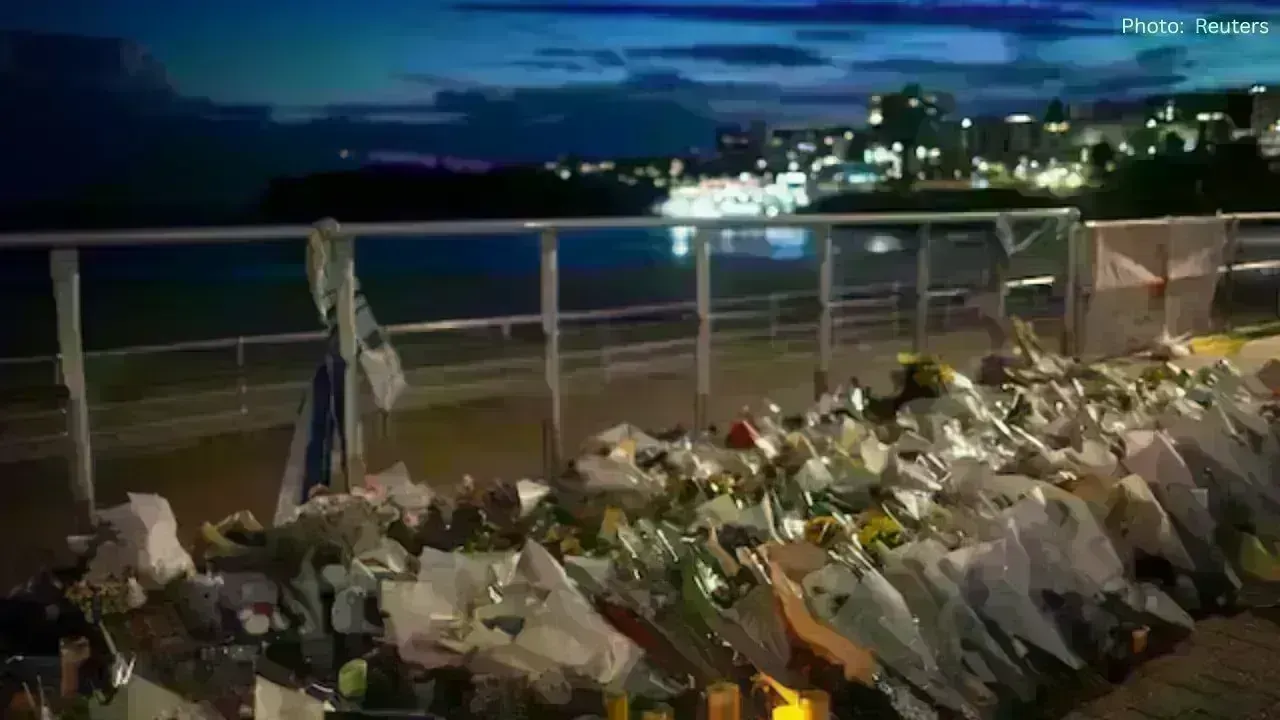
The controversy began after the Adelaide Festival announced it would disinvite Dr Randa Abdel-Fattah from its Writers Week event scheduled for February. The festival board said it believed it would not be “culturally sensitive” to include her so soon after the Bondi Beach mass shooting, which killed 15 people during a Jewish Hanukkah celebration.
The attack shocked the nation and led to widespread calls for stronger action against antisemitism. Police said the alleged gunmen were inspired by the Islamic State militant group, adding to fears about extremist violence and hate-driven attacks.
However, the festival’s decision quickly drew criticism. Dr Abdel-Fattah, an Australian Palestinian academic who researches Islamophobia and Palestine, called the move an act of anti-Palestinian racism and censorship. Her lawyers later sent a formal letter to the festival challenging the decision.
In response, around 50 writers withdrew from the festival in protest, according to local media reports. Many authors said the decision sent a dangerous message by suggesting that Palestinian voices were inappropriate or insensitive during times of crisis. Well-known writer Kathy Lette said the move was divisive and unfair, arguing that silencing one group only deepens social divides.
The backlash had immediate consequences for the festival’s leadership. On Monday, the Adelaide Festival confirmed that its chairperson and three board members had resigned. The festival’s executive director, Julian Hobba, said the organisation was dealing with an unusually complex moment due to the strong public reaction.
This controversy comes amid broader national debates following the Bondi Beach attack. Jewish community groups and the Israeli government have criticised Prime Minister Anthony Albanese for not acting quickly enough to address rising antisemitic incidents. At the same time, protests against Israel’s war in Gaza have continued across Australia since 2023, adding to social tension.
In response, Prime Minister Albanese announced that a Royal Commission will examine the Bondi shooting, antisemitism, and social cohesion in Australia. He also said Parliament would be recalled next week to pass tougher hate speech laws.
At the state level, New South Wales Premier Chris Minns introduced new rules allowing councils to cut off power and water to illegally operating prayer halls and impose higher fines on what he described as “hate preachers.” These rules followed difficulties in shutting down a Muslim prayer hall in Sydney linked to a cleric accused of intimidating Jewish Australians.
However, the new measures have also raised concerns. Fairfield Mayor Frank Carbone, whose area has a large Muslim population, warned that councils should not be given the role of deciding what counts as hate speech. He said freedom of speech must be protected as long as it remains peaceful.
From an editorial standpoint, the situation reflects the delicate balance Australia now faces. Tackling hate and violence is essential, but doing so by silencing voices or targeting communities risks creating new divisions. Arts festivals are traditionally spaces for debate, dialogue, and understanding, especially during difficult times.
Barring an author based on identity or background rather than actions or words sets a troubling precedent. While sensitivity is important after a tragedy, fairness and free expression must not be sacrificed.
The events surrounding the Adelaide Festival show how fear and grief can influence decisions, sometimes with unintended consequences. As Australia works to heal after the Bondi attack, leaders in culture and politics must ensure that unity is built through inclusion, not exclusion.




The Impact of Consistent Small Investments on Wealth Building
Discover how investing small amounts regularly can positively transform your financial future over t

7.5 Magnitude Earthquake Strikes Japan, Tsunami Alerts Issued
Japan experiences a hefty 7.5 quake, prompting tsunami alerts and safety measures. Stay updated on a
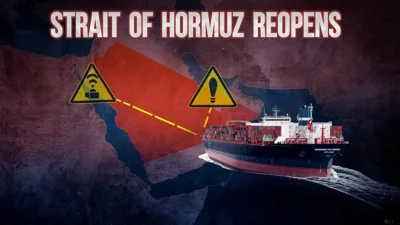
Reopening of the Strait of Hormuz: New Regulations to Impact Global Trade
Iran reopens the strategic Strait of Hormuz with new regulations affecting oil transport and global

Top 10 Must-See Attractions in NYC for First-Time Explorers
Discover essential experiences for first-time visitors to NYC, including attractions, culture, and i

Starbucks Engages Boyu Capital for Major Chinese Expansion
Starbucks teams up with Boyu Capital, selling a majority stake to boost growth and adapt to the Chin

Three Individuals Charged in Massive Meth Trafficking Case in Malaysia
In Malaysia, a married couple and another suspect are charged with trafficking 510kg of meth, facing