
Post by : Shweta
The Assembly of First Nations (AFN) is demanding the immediate retraction of a federal bill aimed at establishing self-government for the Red River Métis, voicing concerns regarding its potential implications for First Nations treaty rights across Canada.
Cindy Woodhouse Nepinak, AFN National Chief, has argued that Bill C-21 could foster a “hierarchy of rights” between First Nations and Métis groups. She cautioned that recognizing Métis self-governance without proper consultations and delineations risks compromising the rights and jurisdiction of First Nations, particularly on matters related to land.
This bill intends to establish a self-governance treaty between the federal government and the Manitoba Métis Federation, initially acknowledged through an agreement in 2021. Should it pass, it would stand as the first modern treaty between the federal entity and a Métis organization, allowing for oversight of its internal governance.
However, Woodhouse Nepinak emphasized that the agreement was formulated without sufficient engagement with First Nations communities that may be impacted. She insisted that discussions regarding land and governance should be collaborative, involving both First Nations and Métis representatives, rather than decided autonomously by federal authorities. Additionally, she raised issues over undefined territorial boundaries in the bill, which might give rise to conflicting claims.
The AFN is calling on the federal government to resolve ongoing land and treaty concerns with First Nations prior to pursuing new agreements. The organization maintains that First Nations play a crucial role in Canada, and their rights should be fully honored in any legislative efforts.
Conversely, David Chartrand, President of the Manitoba Métis Federation, dismissed these concerns, asserting that no hierarchy exists between the rights of First Nations and Métis people. He defended the legislation, stating that Métis communities share the same rights to self-governance as other Indigenous groups. He additionally advocated for transparent dialogue and consultations during the legislative process to address any issues raised.
This matter has been further discussed in Parliament, where several representatives voiced apprehensions about the bill’s definitions and scope. Critics highlighted possible legal and constitutional complications, particularly regarding its impact on other Indigenous groups beyond Manitoba.
Government officials have replied by stating that extensive consultations had taken place with various First Nations over time. They emphasized that there were opportunities for feedback; however, Indigenous leaders continue to question the adequacy of these engagement efforts.
The ongoing discourse surrounding Bill C-21 underscores the broader issues of balancing Indigenous rights and interests in Canada. It mirrors persistent debates about self-governance, land entitlements, and the significance of consultation in shaping national policies.
As the bill progresses through Parliament, additional discussions and committee evaluations are anticipated, potentially shaping its final form to accommodate the highlighted concerns.







Global Energy Crisis Intensifies: Markets React to Oil Supply Challenges
Markets are on edge as oil disruptions escalate, influencing prices and economic stability. Explore

Must-See Tourist Spots in London You Can't Overlook
Explore London's essential attractions, from royal landmarks to vibrant markets, ensuring an unforge

Ultimate Guide to Snagging Cheap Flights in 2026
Unlock the secrets to booking affordable flights in 2026 with insightful tips and strategies tailore

The Impact of Consistent Small Investments on Wealth Building
Discover how investing small amounts regularly can positively transform your financial future over t

7.5 Magnitude Earthquake Strikes Japan, Tsunami Alerts Issued
Japan experiences a hefty 7.5 quake, prompting tsunami alerts and safety measures. Stay updated on a
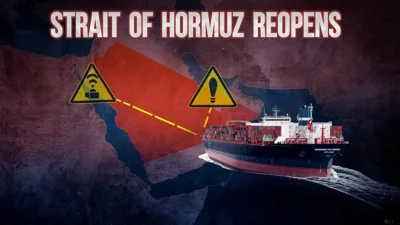
Reopening of the Strait of Hormuz: New Regulations to Impact Global Trade
Iran reopens the strategic Strait of Hormuz with new regulations affecting oil transport and global