Post by : Vansh
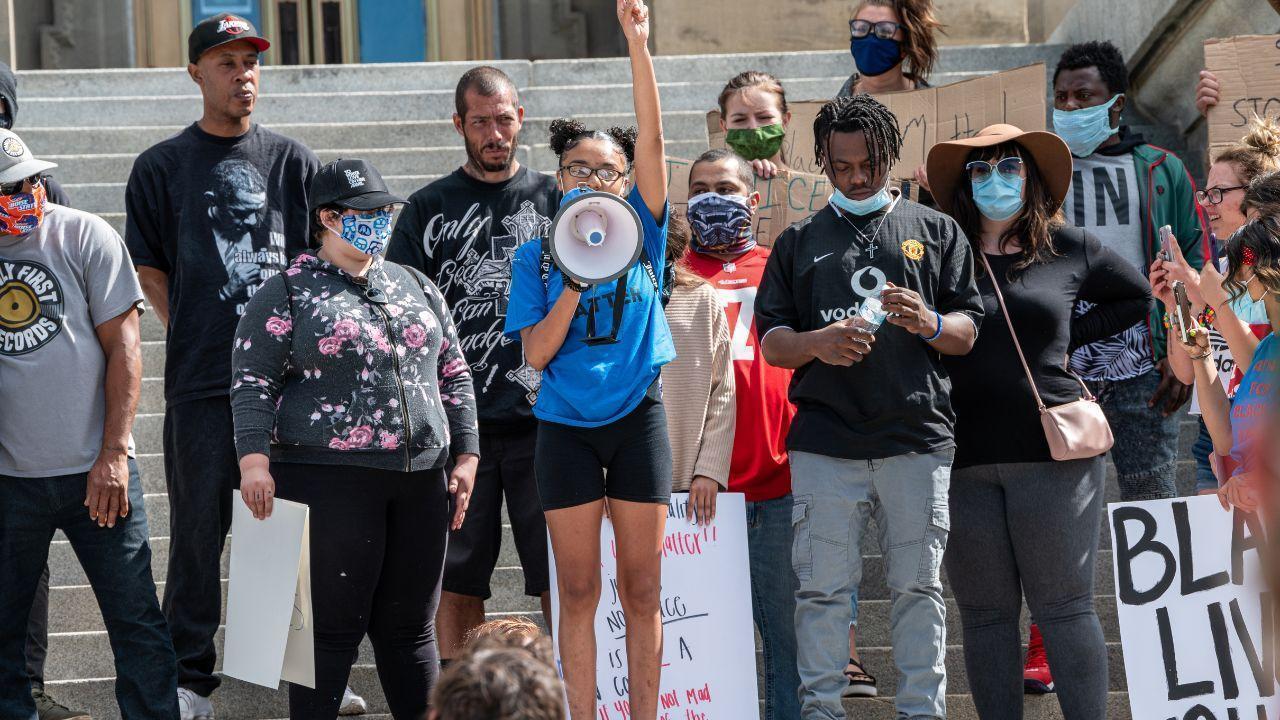
In today’s interconnected world, the importance of community voices cannot be overstated. Across neighborhoods, cities, and countries, individuals are increasingly coming together to share ideas, concerns, and visions for a better future. Community voices are far more than just expressions—they are catalysts for social impact, creating meaningful transformations that can improve education, healthcare, the environment, and overall quality of life. By amplifying these voices, communities can drive positive change that resonates locally and globally.
Amplifying community voices ensures that all members of society, including marginalized and underrepresented groups, are heard. When people unite to express concerns and propose solutions, their collective power grows, resulting in stronger influence over policies, programs, and societal priorities.
Historically, initiatives driven by local communities have led to significant improvements in areas like public health, safety, and environmental conservation. By actively amplifying these voices, communities ensure that their concerns reach decision-makers and stakeholders who can turn ideas into action.
Social impact refers to the tangible and measurable effects of actions on communities and society at large. When community voices are heard and valued, they can inspire initiatives that create sustainable and long-lasting positive change.
For example, neighborhood groups that advocate for better schooling, sanitation, or local healthcare services demonstrate how small-scale collective efforts can lead to meaningful social impact. These initiatives not only solve immediate problems but also foster a sense of ownership, pride, and empowerment among participants.
Several strategies can help amplify community voices effectively:
Digital Platforms: Social media, online forums, and digital campaigns provide a platform for communities to share their concerns and mobilize support on a global scale.
Collaborative Networks: Partnerships between NGOs, local governments, and community groups enhance outreach, resources, and expertise.
Storytelling and Advocacy: Sharing personal stories and highlighting successes helps capture attention and generate momentum for change.
Capacity Building: Training community members in leadership, communication, and advocacy skills ensures that their voices are articulate and impactful.
By combining these strategies, communities can ensure their voices are not only heard but also acted upon, driving positive change across multiple sectors.
Around the world, numerous initiatives demonstrate the power of community voices:
In some urban areas, youth-led groups have championed local education programs, improving literacy rates and access to technology.
Rural communities have united to promote sustainable farming practices, protecting natural resources while boosting economic stability.
Environmental campaigns, often started by local volunteers, have influenced national policies and inspired international dialogues on sustainability.
These examples show that amplifying the voices of ordinary citizens can lead to extraordinary social impact, transforming communities and inspiring others to follow suit.
Technology plays a crucial role in amplifying community voices. Social media platforms, crowdfunding sites, and digital petitions allow individuals to reach wider audiences and attract support from across the globe. Online campaigns can mobilize thousands of supporters, creating awareness and pressuring decision-makers to act.
Data analytics and digital feedback mechanisms also allow communities to measure the effectiveness of their initiatives, refine strategies, and maximize positive change. By leveraging technology, communities can ensure that their social impact is both visible and sustainable.
Despite the potential, challenges remain. Not all communities have equal access to technology, resources, or platforms to express their concerns. Social, economic, and political barriers can hinder the ability to amplify voices, limiting the scope of social impact.
Addressing these challenges requires collaboration between governments, NGOs, and private organizations. Providing access to digital tools, training, and funding can empower marginalized communities, ensuring their voices contribute to meaningful positive change.
The content of this article is intended for informational and educational purposes only. The views expressed do not necessarily reflect those of MiddleEastBulletin news network. Readers should verify facts and seek professional advice where needed.









Anticipated Dates for UAE Eid Al Adha 2026 Unveiled by Astronomical Experts
Experts predict Eid Al Adha 2026 in the UAE to start on May 27, prompting early holiday planning amo

DAE Achieves Remarkable Growth in Q1 2026 With Record Revenue
Dubai Aerospace Enterprise announces impressive financial results for Q1 2026, reflecting a surge in

Price Increase for Sony PS5 in Southeast Asia Effective May 1
Sony announces a price increase for the PS5 across Southeast Asia starting May 1, 2026, impacting ga

Potential ‘Super El Niño’ in 2026: Understanding the Climate Risks
Could a Super El Niño emerge in 2026? Discover its implications and potential global climate impacts

Global Energy Crisis Intensifies: Markets React to Oil Supply Challenges
Markets are on edge as oil disruptions escalate, influencing prices and economic stability. Explore

Must-See Tourist Spots in London You Can't Overlook
Explore London's essential attractions, from royal landmarks to vibrant markets, ensuring an unforge




