Post by : Monika
Photo: Reuters
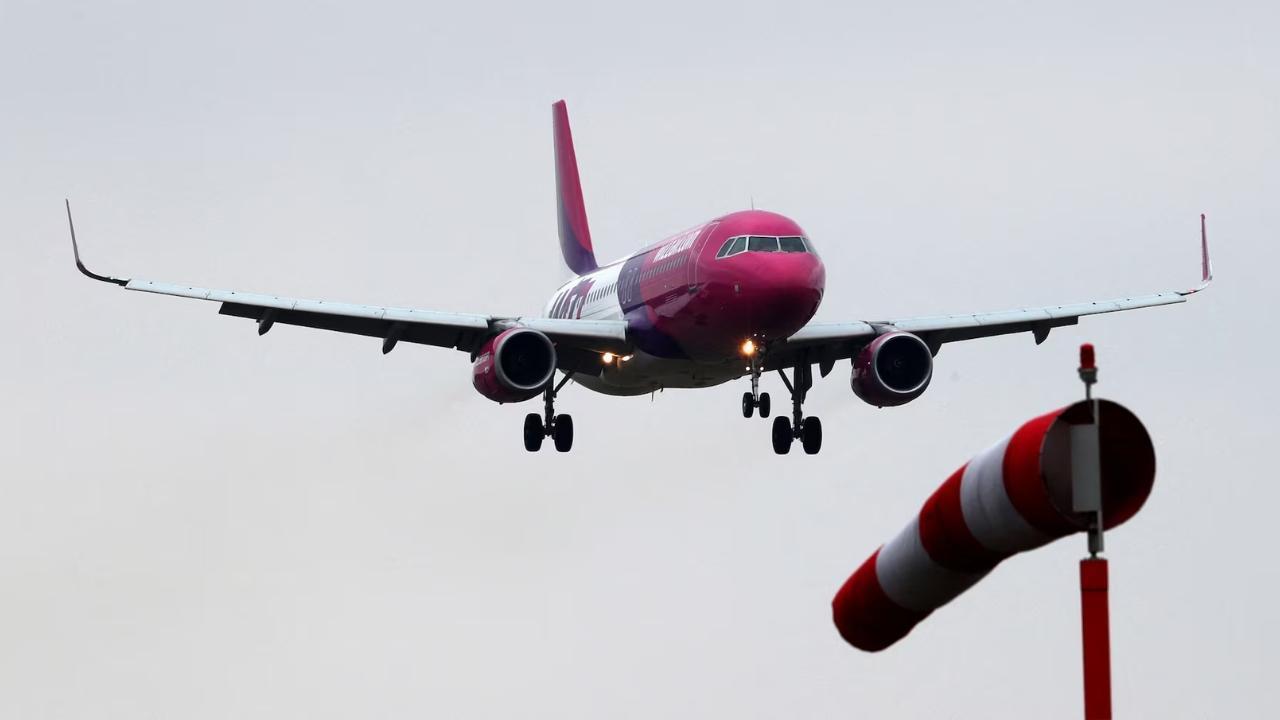
Airline pilots and flight crews have recently shared growing worries about flying through the airspace above the Middle East. Rising tensions and conflicts in the region have made many of these workers feel unsafe when they operate planes on these routes. Their concerns are becoming a serious issue for airlines, governments, and passengers around the world.
What Are Pilots and Crews Saying?
Pilots and crew members have spoken about feeling uneasy due to the risk of missile attacks, drone strikes, or other military actions that could happen unexpectedly. Many feel that they are not getting enough clear information or protection when flying over some parts of the Middle East. Some have even refused to fly certain routes, choosing safety over their work schedules.
These workers say that the airlines should do more to keep them safe and provide better communication about the risks. The fear is real because accidents can happen if something goes wrong in these dangerous skies. They want airlines and authorities to listen to their concerns and take action.
Why Is This Happening?
The Middle East is currently a region with a lot of political tension. Several countries have conflicts, and some military forces are actively attacking or defending their areas. Airspace in these zones is not always safe because missiles or drones can fly into the paths of commercial airplanes.
The conflict between Israel and Iran is one example. Israel has carried out airstrikes on some Iranian sites, and Iran has threatened retaliation. These actions make the sky above and around the region risky. Pilots and crews must stay alert and sometimes change their flight paths to avoid these dangers.
How Are Airlines Responding?
Many airlines have reacted by changing their flight routes to avoid the most dangerous areas. Some have canceled flights to certain Middle East destinations or rerouted planes over safer paths. However, rerouting flights can cause delays and higher costs for both airlines and passengers.
Some airlines are also working on improving communication with their crews about flight safety. They are trying to find the best balance between continuing service and protecting their workers.
What Do Governments Say?
Government aviation authorities have issued safety rules and guidelines for airlines to follow when flying over conflict zones. These rules include changing routes, maintaining communication with military forces, and preparing crews for emergencies.
The International Civil Aviation Organization (ICAO), which oversees global aviation safety, has urged countries and airlines to share information quickly and openly. They stress the importance of avoiding risks to commercial flights and keeping passengers safe.
How Does This Affect Passengers?
For travelers, these changes can mean longer flights and sometimes higher ticket prices. Flights may take more time because planes fly around conflict zones rather than through direct routes. Some flights might be canceled if the risks become too high.
Passengers may also notice more safety announcements and instructions from the crew when flying near the Middle East. While this can be worrying, it is important to understand that airlines and crews work hard to keep everyone safe.
What Are the Risks?
What Can Be Done to Improve Safety?
Why Are Pilots Refusing to Fly?
Some pilots have refused to fly certain Middle East routes because they believe the risks are too high. This is unusual but shows how serious their concerns are. Airlines respect these decisions but must find replacements or cancel flights, causing operational challenges.
Pilots are trained to prioritize safety first. When they say a route is too dangerous, it is a strong signal to airlines and regulators that more must be done.
What Does This Mean for the Future?
If the conflicts in the Middle East continue or worsen, more airlines may avoid the area entirely. This can change global flight patterns and affect international travel significantly.
Airlines may invest in longer-range planes that can fly farther around trouble spots without stopping. Airports in neighboring regions could see more traffic as passengers use different routes.
Governments may also increase efforts to negotiate peace and reduce risks in the skies. Keeping the world connected by air is vital for business, tourism, and families, so finding solutions is very important.
Airline pilots and flight crews are raising real and important concerns about flying over the Middle East. The region’s conflicts have made some air routes risky, affecting how airlines operate and how passengers travel.
Safety must always come first. Airlines, governments, and international organizations need to work together to protect flights and crew members. While changes may cause delays and higher costs, they are necessary to avoid accidents and keep skies safe.
For passengers, staying informed and understanding these challenges can help ease worries. Behind every flight, people are working hard to ensure everyone reaches their destination safely.








DAE Achieves Remarkable Growth in Q1 2026 With Record Revenue
Dubai Aerospace Enterprise announces impressive financial results for Q1 2026, reflecting a surge in

Price Increase for Sony PS5 in Southeast Asia Effective May 1
Sony announces a price increase for the PS5 across Southeast Asia starting May 1, 2026, impacting ga

Potential ‘Super El Niño’ in 2026: Understanding the Climate Risks
Could a Super El Niño emerge in 2026? Discover its implications and potential global climate impacts

Global Energy Crisis Intensifies: Markets React to Oil Supply Challenges
Markets are on edge as oil disruptions escalate, influencing prices and economic stability. Explore

Must-See Tourist Spots in London You Can't Overlook
Explore London's essential attractions, from royal landmarks to vibrant markets, ensuring an unforge

Ultimate Guide to Snagging Cheap Flights in 2026
Unlock the secrets to booking affordable flights in 2026 with insightful tips and strategies tailore




